



Quick Answer
When a quotation uses a material abbreviation or trade description, ask the supplier to connect it to the exact component and proposed material reference. Preserve the original wording and the clarified meaning. Do not approve a substitution because two quotations use similar-looking names or translate the same marketing term differently.
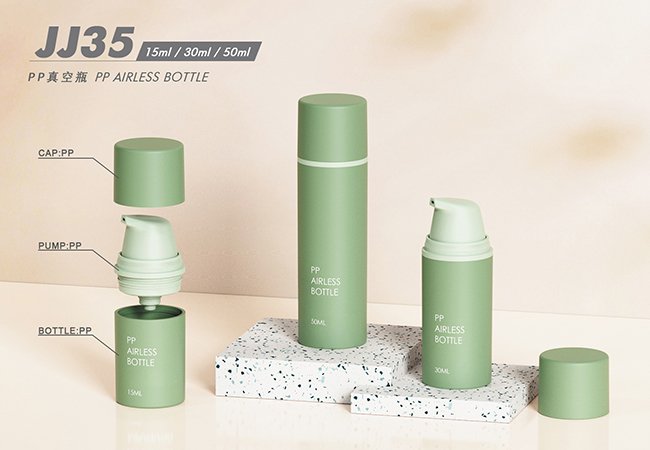
A buyer requests an acrylic-looking airless bottle and receives several offers with different abbreviations. The design team compares transparency, while purchasing assumes the descriptions are equivalent. The problem is not solved by choosing the most familiar acronym. The project needs a naming record linked to the actual supplied parts and the evidence that supports them.
Preserve the original supplier description
Record the quotation reference, revision, line item and material wording exactly as received. Keep any translation beside it rather than overwriting the source. If the supplier later clarifies the description, attach that response to the original offer so reviewers can see what changed.
Do not use a glossary copied from another supplier as the final authority for this order. A catalogue term can describe appearance, a family or a particular part without identifying the complete assembly. Ask the provider to confirm the meaning it intends in the actual proposal.
Connect the name to a component
Identify whether the description belongs to the outer shell, reservoir, actuator, cap or another part. One material word beside the complete bottle image does not establish the materials of every component. Keep a separate row for each part whose identity matters to the project.
For an acrylic airless selection, distinguish the visual family from the proposed production construction. The actual inner container and dispenser still need their own references. Do not let the appearance term become a formula-contact specification without supplier confirmation.
Ask for the proposed material reference
Request the material information the supplier can support for the actual component, including the relevant grade or controlled internal reference where applicable. Identify colourants, recycled-content proposals or other construction details through the responsible technical exchange. Keep unavailable information marked open.
A technical document should match the proposed material and relevant part. A general brochure may help explain a family but does not automatically identify the supplied grade. Ask the responsible reviewer to decide whether the available evidence is sufficient for its intended assessment rather than treating any attached PDF as approval.
Keep clarification separate from change
A supplier may explain an existing abbreviation without changing the proposal, or it may offer another material after the question is raised. Record which situation applies. A new material offered at the same price is still a proposed change if it differs from the accepted configuration.
Do not close that change by editing the buyer’s spreadsheet alone. Obtain the revised supplier scope and identify which appearance, dimensional, formula or process reviews may be affected. Keep the earlier accepted reference visible until the new proposal is approved through the appropriate process.
Review translations at the release point
Purchasing, design and the filler may use different working languages. Give each released component one controlled identity and connect translated descriptions to it. Avoid allowing free-text synonyms to become separate stock items or letting two different parts share one convenient English label.
A hypothetical distributor may call both an outer decorative shell and the inner reservoir the bottle body. The correction is to name each part and its supplier reference, not to argue over which generic phrase is correct. Drawings and labelled samples can clarify the interface without claiming one word defines the whole pack.
Make the sample represent the clarified offer
Ask whether the physical sample uses the material and construction now proposed for production. If it uses a provisional substitute, record that limitation before testing. A visually attractive sample cannot qualify an unrepresented material simply because the clarified quotation uses the same family name.
Connect formula and functional work to the actual sample identity. Material naming clarity does not itself establish compatibility, preservation, recyclability or safety. It identifies what those separate assessments address. Do not turn an abbreviation into a universal performance ranking.
Freeze a usable naming record
Keep the component code, original description, clarified material reference, supporting document and decision owner together. Attach the record to the sample approval file. The next order should reference that accepted configuration rather than start again from a loose marketing name.
If a clarification remains outstanding, identify the affected release gate and track it in the milestone plan. An unanswered material field should not become an assumed match just because production is approaching.
Prepare the enquiry
Send the selected model, supplier wording and unresolved component questions through the packaging enquiry page. Oulete’s plastic airless and plastic lotion bottle MOQ is 5,000 pieces; glass packaging and cosmetic tubes start at 10,000. Confirm the actual construction, colour and decoration scope.
Do similar material names prove equivalent parts?
No. Connect the names to the exact components and supported material references.
Is a translated description enough for release?
Only when the responsible reviewers have resolved its meaning and linked it to the accepted configuration and evidence.