



Quick Answer
An airless pump tube combines a flexible package format with a specified dispensing assembly. Obtain the selected system’s instructions, then distinguish pressing the actuator from squeezing the tube body during user trials. Record grip, orientation and delivered product together. Do not assume that a pump tube should be operated like an ordinary squeeze tube or that its flexible body proves any particular airless mechanism.
The format looks familiar to shoppers who already use hand cream tubes. That familiarity can create a development question: will users press the pump as intended, or compress the body while trying to dispense? Brands need to examine the actual gesture rather than approve only a clean photograph of the pack.
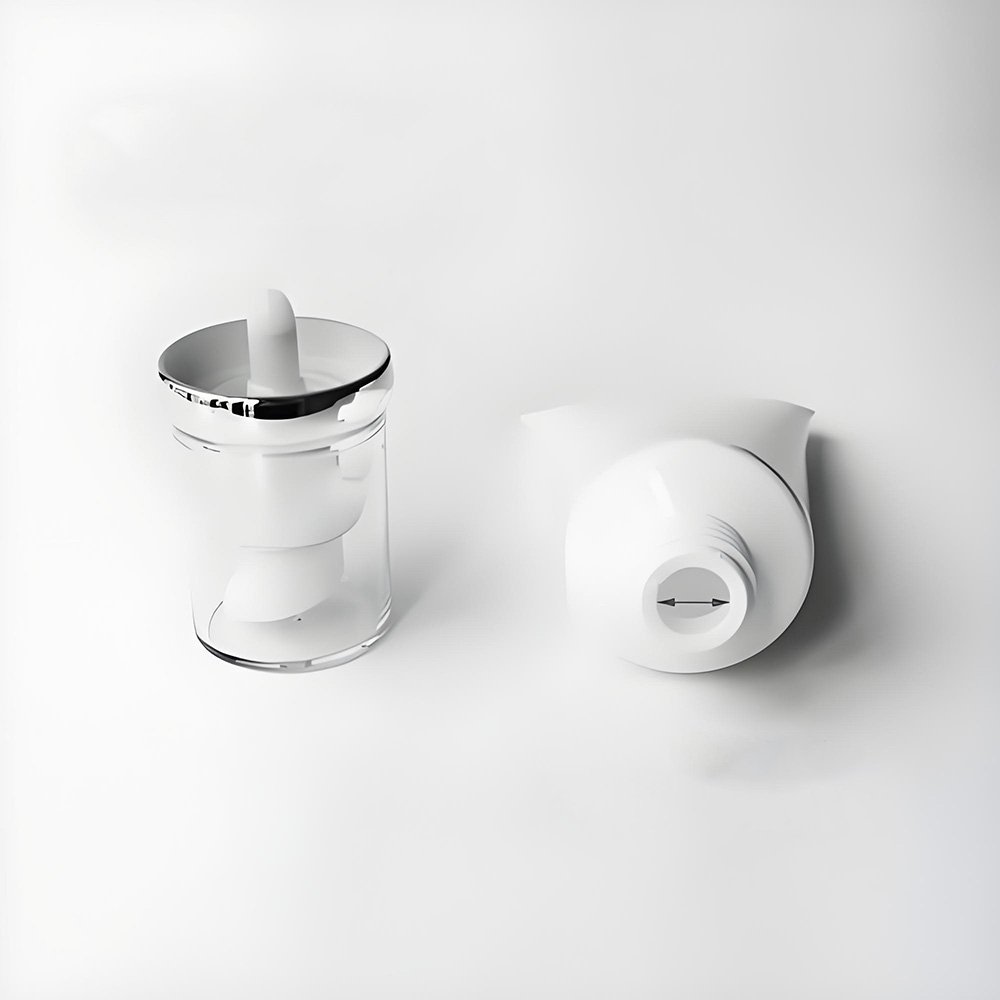
Identify the pump and tube as one proposed system
Ask the supplier for the body, shoulder or joining arrangement, pump, actuator and cap references. Identify the delivered assembly state and the instructions for filling, closing and initial operation. The name airless pump tube is not a complete specification, and it should not be used to infer a piston or another particular internal construction.
Aptar’s Evotube description provides one supplier-specific example of a tube-and-pump assembly supplied together. Its construction and stated performance belong to that product; they do not establish the parts, filling instructions or capability of an Oulete proposal. Use the example to ask more precise questions, not to copy another system’s settings.
Review the cosmetic tube range for a starting format. Ask which pump-head combination is actually proposed and which details remain subject to development. A drawing or sample should identify the matched connection rather than leave the filler to combine unrelated parts.
Write the intended action before planning the trial
Describe how the user removes any cap or restraint, holds the package, presses the actuator, receives product and closes the pack again. Obtain permitted operating instructions from the system supplier. Do not invent a priming stroke count or tell users to squeeze, open or pierce the package as a universal correction.
Specify whether the trial examines intended use, understandable instructions or a foreseeable unintended action. These are different questions. A deliberate body-squeezing test should not be averaged into ordinary actuator-output results without showing that the operation changed.
| Trial condition | Record | Decision supported |
|---|---|---|
| Actuator operated as instructed | Grip, orientation, stroke and observed delivery | Performance under the intended action |
| Body compressed during grip | Location and sequence of compression, visible changes | Whether the grip needs design or instruction review |
| Cap removed and replaced | What the user holds and any unintended actuation | Opening and closing usability |
| Later fill state | Sample history, remaining-product state and user gesture | Whether the initial instruction remains usable |
Observe the hand, not only the collected amount
Use identified filled samples and a consistent observation plan. Record where fingers rest, whether they slide toward the actuator and whether the flexible body changes shape during the action. A camera view should include the relevant grip and outlet rather than only the product arriving on a collection surface.
Do not diagnose a weak dispense from a single attempt. Record whether the actuator completed the intended movement, whether a cap or lock remained in place, and which instructions were followed. Preserve the sample state before asking the responsible supplier to assess an unexpected result.
If quantity is measured, keep the raw results linked to the gesture. A reported mass belongs to the defined collection method and actual formula. It cannot become a guaranteed volume or a universal dose for every cream. Record any change of contents, preparation or operating conditions.
Evaluate the instruction without coaching away the problem
A development technician may know exactly where to hold a pump tube. A first-time user may not. Have the responsible team define an appropriate review using the intended instructions and representative users, without claiming that a small informal exercise establishes universal accessibility.
Record confusion as an observation. If users repeatedly squeeze the body while looking for the dispensing action, review the format cues, cap arrangement and wording. Do not simply discard their attempts as operator error. Conversely, a successful instructed trial does not prove every unintended action is harmless.
Illustrative decision: grip changes between samples
Imagine two versions use the same visible tube body but different pump heads. One sample is held around a rigid shoulder while the other is gripped lower on the flexible body. Their collected amounts differ during an informal demonstration. This is a hypothetical comparison, not an Oulete test report.
Before ranking the pumps, repeat the assessment with the intended grip and clearly identified component versions. Retain the original gestures as usability evidence. The team may need separate decisions on dispensing under controlled operation and whether users can naturally find that operation.
Connect the user trial to filling and packing
Confirm that development samples represent the final assembly route. A hand-fitted display sample may not represent the intended filler connection or cap state. The filler should review the actual supplied tube, head attachment and closing sequence; generic squeeze-tube settings cannot qualify a different assembly.
Retain the accepted instructions, component revisions, filled-sample identities and unresolved observations in the packaging sample approval record. Request a new review when a changed pump head, shoulder or body alters the user’s grip or operation.
Oulete cosmetic tube orders start at 10,000 pieces. Confirm the proposed pump, assembly work, colour and decoration in the specific quotation; the tube baseline does not establish every specialist component minimum. Share the intended user action and filler requirements through the packaging enquiry page.
Buyer Questions
Should an airless pump tube be squeezed?
Follow the selected system’s documented instructions. Do not assume the gesture from the flexible exterior alone.
Does the format guarantee complete evacuation?
No. Evaluate usable delivery with the actual formula, assembly, fill states and intended action; do not infer zero residue from the name.