



Quick Answer
Ask how a colour sample was made before approving it for a PP airless order. A coated display part, a colour chip and a production-intent moulded component are different references. Record the substrate, colour route, finish and represented scope so an attractive mock-up does not silently become a manufacturing standard.
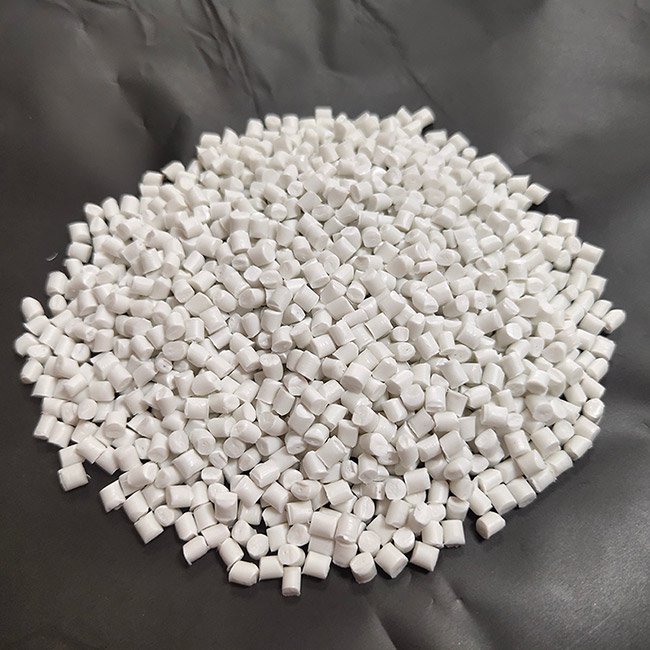
A brand accepts a coloured showroom bottle and asks purchasing to order the same shade. The supplier later explains that the sample was coated for presentation, while the offer uses moulded colour. The difference is not simply a colour name. It changes what physical sample represents the proposed process. Clarifying the sample route early makes the approval usable.
Identify the sample’s construction
Record the component reference and how its visible colour was produced. Ask which layers or processes belong to the proposal and which are provisional. Do not infer the route from the surface appearance or from the description PP bottle. The complete assembly can contain separately coloured parts with different production histories.
The PP airless bottle range is a format starting point. Ask the supplier to connect the selected body and fitted components to the actual sample. A family photograph does not establish which colour, finish or material grade will be supplied.
State what the mock-up is allowed to decide
A mock-up can help select a design direction or compare proportions. Record that limited purpose. If it does not represent the proposed production process, do not call it the final colour master without an explicit responsible decision about its limitations.
Keep design acceptance and production representation as separate fields. A brand can prefer the appearance while requesting a representative follow-up sample. This avoids a false choice between rejecting useful design work and approving unrepresented manufacturing details.
Compare actual parts at the same stage
Identify whether each candidate is a chip, flat plaque, bare body, decorated part or complete assembly. A comparison can be informative across those stages, but its interpretation must acknowledge the difference. Do not rank final appearance from one completed coated sample and one unfinished moulded body.
Ask the responsible appearance reviewers to agree viewing conditions and the reference hierarchy. This guide provides no universal colour tolerance or instrument setting. A photograph may locate a concern, but the parties should define which physical or measured evidence governs acceptance of the actual part.
Review the complete visible assembly
Place the proposed body, collar, actuator and cap together in their identified finishes. A body colour decision does not settle how adjacent parts look as an assembly. Record intentional contrast separately from an intended coordinated relationship. Do not ask different suppliers to infer that relationship from one abbreviated colour code.
If the brand wants the same appearance across sizes, review each actual presentation rather than assuming the reference transfers automatically. Keep model and capacity identities visible. A shared design direction does not prove every component is common or that every part has the same production route.
Keep functional approvals separate
A sample accepted for colour may not represent the final formula-contact construction or fitted dispenser. Do not use it to close compatibility, sealing or line handling without confirming the relevant configuration. Appearance acceptance is useful precisely because its scope can remain explicit.
Where a finish or process proposal changes an interface, ask the technical teams what additional information and assessment are needed. Avoid stating that one colour route is universally more durable, recyclable or compatible. The actual sample and relevant evidence must answer those separate questions.
Resolve a mismatch without rewriting history
For a hypothetical project, the representative moulded sample may differ from the accepted coated mock-up. Retain both and identify the discrepancy. The brand can review the achievable proposal, ask for another development round or reconsider the design target. Do not silently relabel the new sample as matching the old approval.
If the team accepts a revised target, record the new physical reference and what supersedes the earlier design sample. Keep rejected and provisional specimens identifiable so they do not reappear as approved standards during a reorder discussion.
Freeze a reference the supplier can use
Record the final component, material proposal, colour route, finish and sample identity with the reviewer’s decision. State which attributes are accepted and what remains open. Attach the record to the sample approval file.
Connect representative colour work and decorated samples to the milestone plan. A design mock-up completion date is not necessarily the date at which the commercial appearance is ready for release.
Prepare the colour enquiry
Send the model, desired appearance, existing sample identity and requested production route through the packaging enquiry page. Oulete’s plastic airless and plastic lotion bottle minimum is 5,000 pieces; glass packaging and cosmetic tubes start at 10,000. Confirm custom-colour, decoration and sample conditions for the actual proposal.
Can a coated mock-up be useful?
Yes, when its construction and limited design purpose are clearly recorded.
Does matching a colour name approve the assembly?
No. Identify the actual parts, route, reference and accepted scope before production.