



Quick Answer
A stand-up tube should be reviewed as the actual filled, sealed and closed assembly on an agreed surface. Identify the cap’s supporting footprint, body shape and relevant use states. An empty display tube standing upright in a photograph does not approve shelf presentation, repeated handling or transport performance.
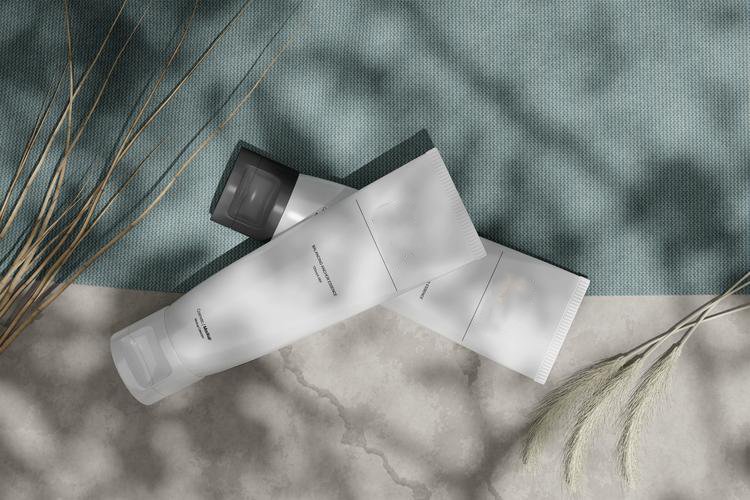
A brand chooses a tube because it looks tidy standing cap-down beside other products. The filler later finds that the actual sealed body and fill distribution create a different presentation from the showroom sample. The cap may be correct while the body has changed during handling. A useful balance review keeps all those conditions visible instead of calling every tipping event a bad cap.
Identify what supports the tube
Name the tube body, shoulder and cap references. Ask which cap surfaces are intended to touch the supporting surface and how the closed state is defined. A decorative outer profile does not necessarily describe the actual support contact. Keep the current component drawing and an identified physical sample together.
Use the cosmetic tube range to identify candidate formats, then request the actual matched proposal. Do not substitute another cap merely because it looks wider. Its fit, closing action, outlet relationship and complete-pack performance still require review.
Use the intended filled presentation
Record the formula or agreed trial material, actual fill and the filling and tail-sealing history. A rigid display insert or an empty tube can support appearance discussions but should remain labelled as such. It cannot silently represent the balance of a commercial filled tube.
Identify the tail shape and orientation in the reviewed sample. Record whether the specimen has already been squeezed or reshaped. If the supplier, brand and filler review different sample states, the results may look inconsistent even though each team accurately describes its own specimen. State those differences before changing the component proposal.
Define the supporting surface and action
Agree the surface used for the review and whether the tube is simply placed upright or returned to that position after a specified user action. Record the surface condition and any deliberate inclination if the responsible team includes it. This article does not prescribe a universal tilt angle, force or pass limit.
Keep the action consistent between candidates. A careful technician placing one tube and a hurried reviewer dropping another onto the bench are not performing the same comparison. Describe what happened, preserve the specimen identity and repeat only under the agreed procedure. Do not discard an inconvenient observation without recording the changed conditions.
Observe contact and deformation separately
Record whether the closed cap sits as intended, rocks on the surface or is obstructed by another feature. Then describe the body position and any visible deformation. An uneven supporting surface, an incompletely closed cap and an off-centre body presentation are different questions for the relevant teams.
A photograph should show the complete tube and its surface contact, not just a cropped leaning body. Keep the front artwork direction visible where useful. If measurements are required, have the responsible technical team choose the appropriate dimensions and method. Do not infer production tolerances from the apparent angle of a phone image.
Review intended use states without improvising
The brand may want to understand presentation at first use and after an agreed amount of product has been dispensed. Define those states and how the sample reaches them. Record squeezing position and any deliberate reshaping, because an artificially restored body can conceal the behaviour being reviewed.
Keep this exercise separate from formula safety, seal integrity and transport qualification. A tube that stands acceptably on a shelf may still need other functional and distribution assessments. Likewise, an authorised appearance concession does not settle whether the closure or tail seal meets its separate requirements.
Investigate the failed state
For a hypothetical hand-cream pack, the first filled sample stands as intended, but a later handled specimen leans. Preserve both histories. Ask whether the difference relates to the cap state, fill distribution, body deformation or another identified condition. Do not immediately widen the cap or thicken the wall without understanding which requirement was not met.
If a revised component is proposed, identify it and repeat the affected checks. Retain the earlier result instead of overwriting it with the replacement’s successful photograph. The sample approval checklist can keep appearance, operation and packout decisions connected without merging them into one unexplained approval.
Close the presentation brief
State which filled and handled states were accepted, under what conditions and by whom. Add any remaining limits to the artwork or range presentation discussion. Connect additional development to the milestone plan so a revised tube does not reach filling before its review is complete.
Send the model, fill information and intended standing scenario through the packaging enquiry page. Oulete’s cosmetic tube MOQ is 10,000 pieces. Confirm the specific body, closure, decoration and sample scope; a photograph does not establish stock availability or a smaller custom run.
Can an empty showroom tube approve standing balance?
No. It can illustrate a format, but the accepted state should represent the intended filled and sealed pack.
Is a wider cap always the answer?
No. Investigate the actual contact, closure and body state before proposing a changed assembly.