



Quick Answer
A cosmetic jar capping trial should identify the matched jar, lid and liner, then confirm the intended engagement and seated condition. Keep the capping machine setting separate from any measured application or removal result. A cap that feels tight can still need review for engagement, and a satisfactory torque observation alone does not establish sealing performance.
A filler reports that a cream jar is difficult to open. Purchasing asks for a lower machine setting, while another sample appears tilted. Before changing the process, the team needs to establish whether these observations describe the same closing condition. More or less force is not a complete diagnosis.
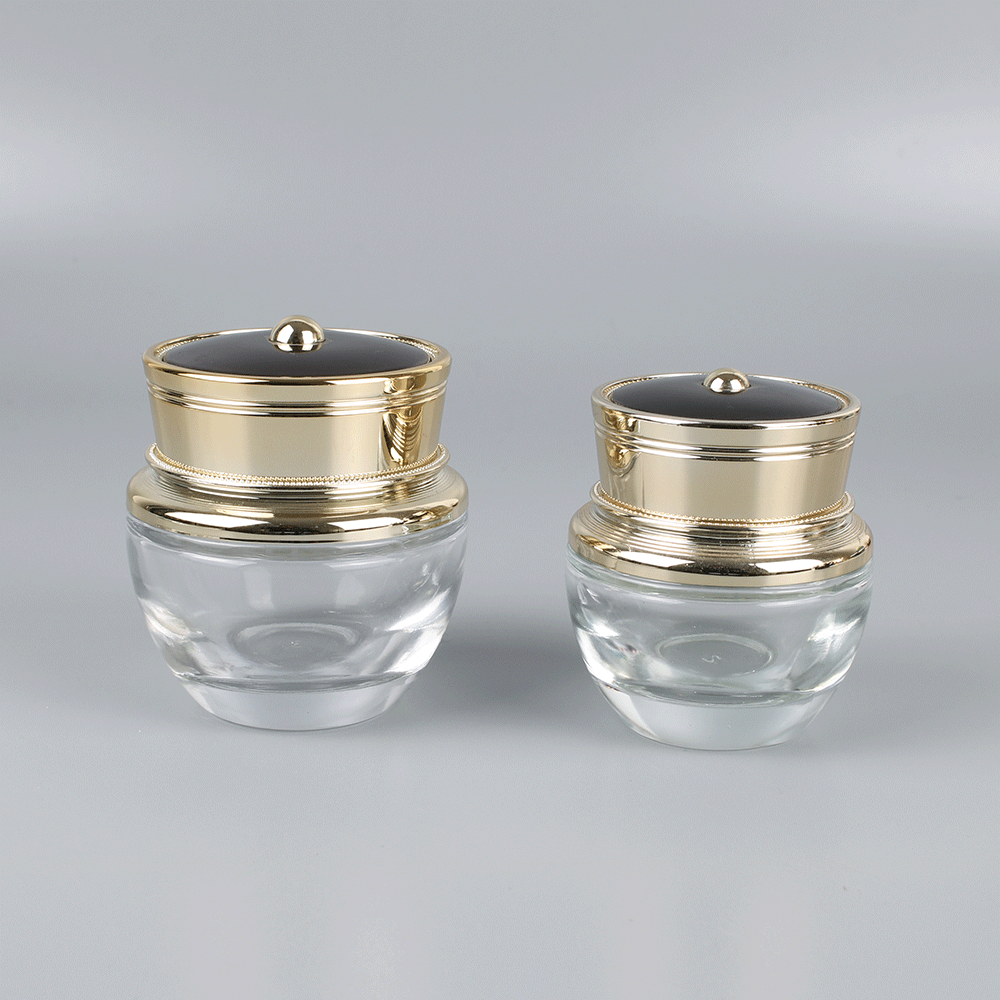
Identify the complete closing assembly
Record the jar and lid references, drawing revisions, liner or other sealing parts and the actual filled state. A lid from the same visual family is not automatically the same closing component. Decorative outer parts and functional caps may also require separate identification.
Use the glass cream jar range as a format shortlist, then request the matched closing proposal. Ask for the intended seated relationship and applicable assembly instructions rather than selecting a lid only by a nominal diameter.
Review engagement before adjusting the capper
Have the supplier and filler define how correct thread engagement or the selected connection is recognised. Observe alignment, closing movement and final seating under the agreed method. A tilted or unusually high lid should remain an observation for review, not be pushed down to make the photograph look normal.
Cross-threading, an incorrect component and another interference can create superficially similar symptoms. Preserve identified samples and let the responsible teams examine the interfaces. Do not assign a cause merely because a lid takes more effort than another to remove.
Manual closing and machine closing may have different handling histories. Keep them labelled separately. A hand-closed display sample cannot establish that the capper presents, supports and engages the production components correctly.
Separate the numbers in the trial record
| Record type | What to identify | Do not treat it as |
|---|---|---|
| Machine setting | Equipment, displayed parameter and actual setup | A direct measurement of every closed jar |
| Application measurement | Instrument, method, units and identified assembly | An automatic prediction of later opening |
| Removal measurement | Method, elapsed time, storage and sample history | The original application setting |
| Seated appearance | Agreed position and observed alignment | Proof of filled-pack integrity |
| Seal evaluation | Actual formula, assembly and qualified trial scope | A result established by tightness alone |
The responsible technical team should specify the relevant measurements and criteria. This article supplies no universal torque value or conversion rule. A number without a method and unit is not a transferable production instruction.
Keep sample history with opening results
Record the interval between closing and examination, storage condition and any previous opening. A sample repeatedly opened during a meeting no longer has the same first-removal history as an untouched unit. Keep the sequence rather than reporting only the most convenient result.
Identify any liner, insert or component movement after opening. Do not exchange lids across samples without an authorised comparison plan. Such a change can affect several interfaces at once and must not inherit the original sample identity without qualification.
If the formula or closing operation leaves residue near a functional surface, preserve the condition and have the responsible team review it. Wiping the sample before the first record can obscure the question the filler needs to investigate.
Plan a controlled adjustment
When a process change is proposed, state which question it addresses and what remains unchanged. Record equipment configuration, component lot and actual setup. A successful sample after adjustment may justify further work, but it should not silently replace the original failed observation.
Ask whether the proposed adjustment changes engagement, assembly damage, opening usability or another requirement. Keep these findings separate so an easier opening does not become an unsupported claim that sealing also improved.
Illustrative case: high lid and high removal effort
Imagine a filled jar has a higher-looking lid and requires unusual effort to remove. The team has not yet established whether its parts match the approved combination. This is a hypothetical investigation example, not an Oulete defect report.
First identify the components and preserve the closing record. Compare the seated condition with the supplier’s specified relationship and appropriate retained samples. A lower capper setting may change the symptom without resolving an incorrect lid or engagement. The next trial should follow the agreed review, not an assumed universal correction.
Release a closing configuration, not just a setting
The approved handover should identify jar, lid, sealing parts, equipment configuration, relevant process instructions, measurement methods and accepted sample scope. Link those records to the packaging sample approval. Keep separate filled-pack integrity and user-opening decisions visible.
For Oulete glass containers, the starting MOQ is 10,000 pieces. Other jar constructions and specialist lids require their own quotation confirmation. Send the selected jar, closing components, filler information and actual observations through the packaging enquiry page, with any missing records clearly identified.
Buyer Questions
Is the capper display the finished jar’s torque?
State what the parameter represents. Do not substitute a machine control setting for a defined measurement on an identified assembly.
Does a tight lid prove a seal?
No. Confirm engagement and assess sealing through the separate agreed filled-pack evaluation.