


Quick Answer
Select cosmetic packaging colors by testing the task they need to support, such as identifying a product variant. Do not assume a hue universally creates trust, luxury or sales growth. Keep user recognition, visual preference and production color matching as separate decisions, and do not rely on color as the only identifier.
A color palette can be attractive while causing confusion between two products. A useful early review asks whether intended users can select the correct variant using the complete pack, not whether a generic psychology chart assigns a favorable emotion to its hue.
Define the recognition task
Choose a realistic instruction: find a named variant, distinguish two products, or locate a shade code. State the intended viewing context, whether participants already know the range, and what counts as a correct response. Preference for a design is a different question from accurate identification.
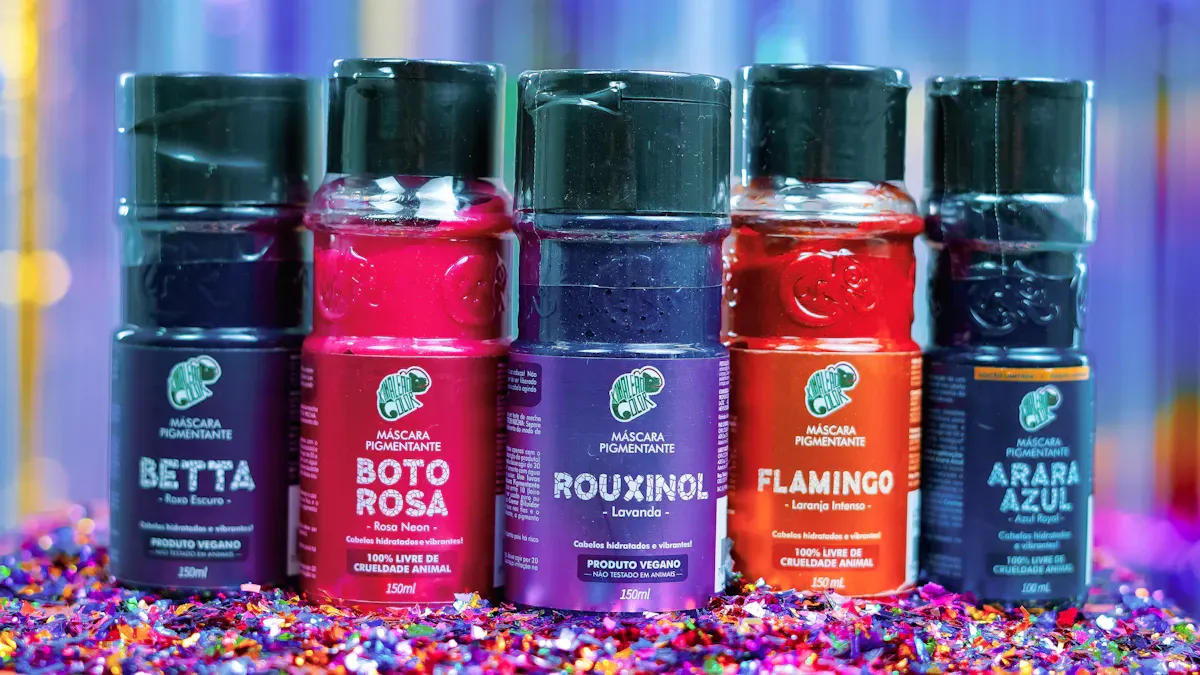
Prepare comparable pack samples
Use consistent bottle geometry and artwork except for the variables being compared. Include the actual product names and other identifiers. Check both the overall pack and the areas visible in the intended display. A cropped color swatch cannot establish whether a user can find a product on its packaging.
If physical samples are unavailable, label the work as a mockup review and record its limitations. A screen-based result does not approve the eventual resin, coating or printed color.
Record errors before asking for preferences
- Give a defined selection instruction without explaining the expected answer.
- Record the chosen variant and any observed uncertainty.
- Identify which products are confused with each other.
- Ask what cue the participant used after recording the selection.
- Keep comments on liking or emotion separate from recognition results.
Use intended participants and an appropriately designed study for the decision. A small internal review can reveal questions to investigate, but it should not be presented as evidence of broad consumer behavior or a promised sales increase.
Do not make color the sole cue
Review whether product names, codes or other appropriate identifiers still make sense when hues are difficult to distinguish. Include relevant accessibility considerations in the brief. A meaningful identification system should not depend only on a subtle difference between two colors.
If the design is revised after confusion is observed, repeat the relevant task rather than assuming that a brighter hue resolves it.
Hand the approved design to production separately
Once the design direction is selected, create physical color and finish references and the applicable production acceptance criteria. That technical matching task is separate from the recognition review. Preserve both records so an acceptable manufacturing match is not mistaken for proof of successful communication.
Build a variant-recognition observation table
Give each candidate range a reference and use the intended product names and codes. Ask participants to complete the defined selection task before explaining the design. Record confusion between specific variants, not only a broad preference for the palette.
| Field | Observation |
|---|---|
| Requested variant | Task given without the answer |
| Selected variant | Actual choice and uncertainty |
| Cue used | Name, code, color or another feature |
| Display condition | Visible areas and sample arrangement |
Separate a recognition error from dislike of a color. The same participant may prefer one design while selecting products more reliably in another. Retain that distinction when reviewing the design decision.
Resolve confusion with more than a hue change
For example, two similar variants may be confused when only their upper labels are visible. This illustrative result calls for review of the visible names, codes and layout as well as color. A brighter rendering does not establish that the task has improved.
Trial the revised complete range under the same defined conditions. Keep any limitations of mockups or internal participants explicit. Do not convert a small recognition review into a promised sales result or a universal emotional claim.
Handover recognition and color matching separately
Retain the selected design rationale with the trial record. Production should also receive the physical color and finish references needed to reproduce that design. These are related but distinct releases.
If manufacturing changes alter the visible identifiers or contrast, review the affected recognition task. If the design is unchanged, do not describe a successful color match as proof that every intended user can distinguish the range.
FAQ
Does blue always communicate trust? Do not treat a universal emotional claim as an approval criterion.
Does preference prove recognition? No. Record the actual identification task separately.
Can digital colors approve production? A screen review cannot by itself establish the physical finish.
Keep the review alongside the sample approval record, or share your variant and artwork brief.