



Quick Answer
Give each packaging reference sample an identity, an owner and a permitted use before lending it to another team. Record dispatch, receipt, condition and return, and distinguish a protected approval reference from a working demonstration sample. A returned specimen should not automatically resume its role as a master if it has been opened, filled, altered or damaged. Replacement needs a documented link to the current approved configuration.
A brand, decorator, supplier and filler may all ask for the same physical reference. Passing one item around without a record can leave nobody certain which specimen governed the decision or what happened to it. The practical task is not to create another approval checklist; it is to preserve the identity and condition of the object that supports the existing record.
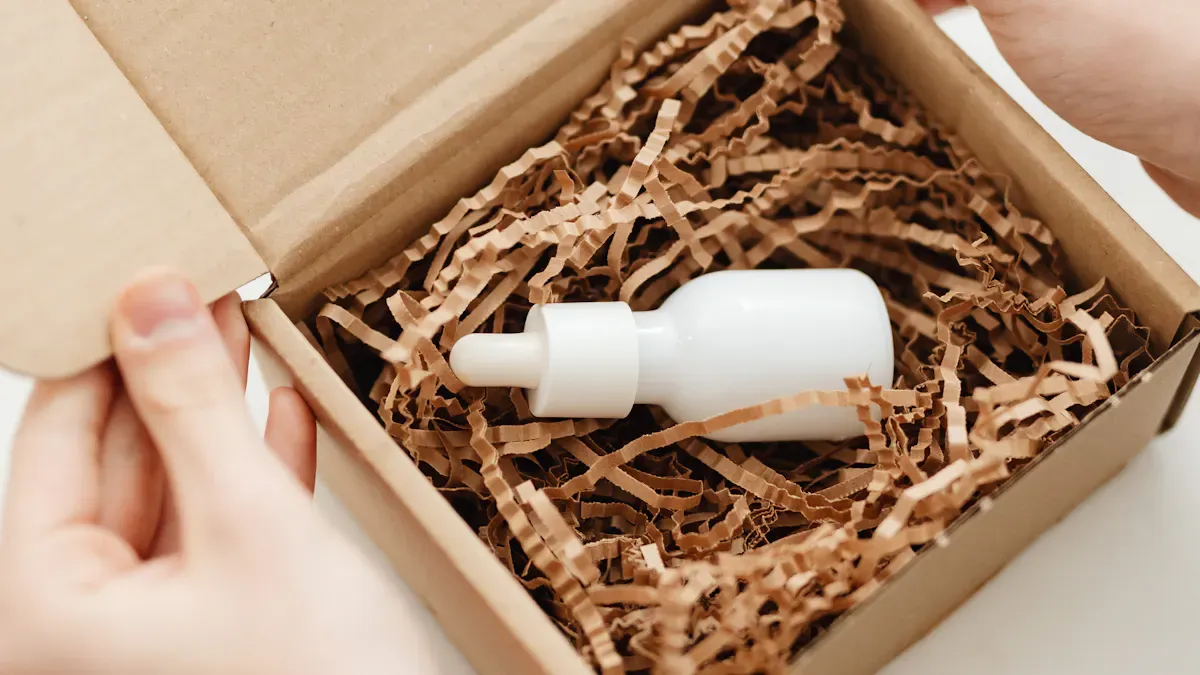
Separate the master from the working sample
Name the purpose of each retained item. A reference for accepted appearance, a component for a fixture review and a demonstration pack can look similar while having different permitted uses. Link the physical identity to the drawing, artwork or other record it supports. Do not treat the word sample as a complete instruction.
Where the project uses several reference sets, identify each and agree their relationship. A second set is not automatically equivalent merely because it came from the same box. The responsible reviewers should establish which specimens govern the relevant comparison and who can authorise a replacement.
Agree what the recipient may do
Before dispatch, state whether the item may be handled, opened, filled, marked, disassembled or used in a trial. Identify the recipient and the purpose of the loan. A request to inspect the outside should not quietly become permission to run a destructive assessment on the only retained reference.
If another task is needed, ask the owner to agree the specimen and handling scope. A working sample may be more appropriate than the protected reference. This article does not promise that extra samples are available; obtaining a suitable item and its permitted use is part of the project discussion.
Record dispatch and receipt condition
Use an identity label or another agreed method that does not obscure the surfaces being compared. Keep its relationship to the specimen clear even when protection is removed. Record the relevant starting condition and the protective arrangement used for the loan, along with the intended return or review point.
The recipient should confirm which item arrived and note any observed difference before commencing the task. If a label is missing or parts are separated, leave identity unresolved until it can be established. Do not recreate certainty by applying a familiar project name to an unverified object.
Keep a simple custody register
| Register field | Information to retain |
|---|---|
| Reference identity | Specimen and the controlled configuration it represents |
| Owner and location | Responsible team and current custodian |
| Purpose | Appearance comparison, demonstration or other agreed task |
| Permitted handling | Actions allowed and actions requiring further agreement |
| Movement | Dispatch, receipt and agreed return point |
| Condition | Relevant observations before and after the loan |
| Disposition | Returned reference, working-only item or proposed replacement |
Connect any trial record to the actual borrowed specimen. A report that names only the product family may not explain which physical reference was used. The register should help the next reviewer find that connection without treating custody notes as technical test results.
Recheck the returned item before reuse
Confirm its identity and the handling that occurred. Ask whether components were exchanged, formula was introduced or appearance surfaces were changed. Record differences and preserve any relevant before-and-after evidence. A returned pack that looks intact can still have a different history from the original protected reference.
Use the organisation’s responsible reviewers to decide whether the specimen remains suitable for its previous comparison role. Do not improvise cleaning or restoration that could change the very surface being used as evidence. A working sample can remain useful without being reassigned as an unchanged master.
Resolve an illustrative altered-reference problem
Suppose a filler borrows a reference pack to check equipment access and replaces a closure during the review. This hypothetical case concerns an altered reference, not a reported failure. Record which part changed and preserve the initial identity instead of returning the pack with an unchanged approved label.
The owner can decide whether another comparison specimen is needed and how the modified unit should be retained. The fixture review remains connected to its actual assembly. It should not silently become evidence for the previous closure, and the old approval should not automatically migrate to the replacement part.
Replace the reference through a controlled decision
If a reference is lost or unsuitable, identify the proposed replacement and the evidence connecting it to the current configuration. Record who accepted it for the relevant role and when that status begins. Retain the previous specimen’s history where available, with a clear superseded or unavailable status.
Notify teams holding related documents or reference sets so they know which identity now controls the intended comparison. A photograph can help locate the change, but it does not reproduce a physical finish reference. Keep the replacement decision proportionate to the attribute the specimen is meant to represent.
FAQ
Can the only approved reference be used for a destructive trial?
Do not assume permission. Agree the task and specimen with its responsible owner before the trial.
Does a returned sample automatically remain the master?
No. Review its identity, history and condition for the comparison role it is expected to support.
Can a similar stock item replace a missing reference?
Only through an applicable recorded decision. Similar appearance alone does not establish the same approved configuration.
Use the sample approval record to identify the supported decisions. Discuss the sample stage through customization services, and send the reference identity and intended review task for project coordination.