



Quick Answer
Before sampling premium skincare packaging, separate non-negotiable requirements from preferences. Agree which compromises the brand, filler and purchasing team can accept, then shortlist complete configurations rather than attractive bottle photographs. A heavier pack, metallic finish or custom shape does not prove better formula protection or user performance.
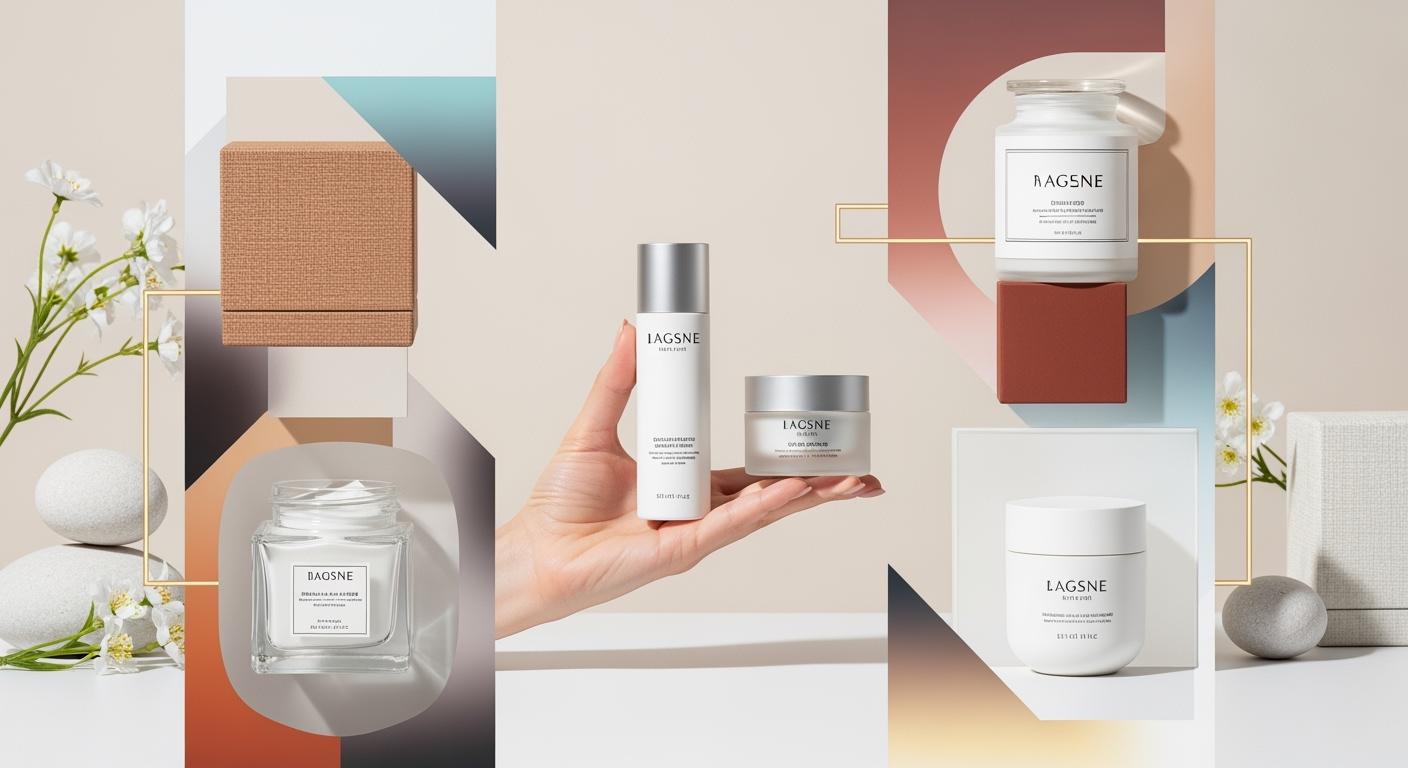
A premium brief often contains competing requests: substantial hand feel, low shipping weight, distinctive decoration, easy replenishment and a restrained budget. Sending this list without priorities asks the supplier to guess which requirement can move. The resulting samples may look impressive while answering different questions. A shortlist meeting should resolve those conflicts before the team commissions further development.
Write the buying decision in one sentence
State the product format, intended user action and launch constraint. For example, a hypothetical serum project might need a one-handed dispenser within an existing carton footprint. That statement is more actionable than asking for a luxury bottle. It identifies which proposals deserve technical review and which cannot serve the current launch without another change.
Do not turn positioning language into technical evidence. Words such as clinical, clean or botanical describe an intended identity, not a packaging qualification. The formulation team still needs evidence for its actual product. The filling team still needs the supplied assembly and a suitable line trial. A premium appearance review should not absorb those separate decisions.
Define the non-negotiable gates
Ask each buying team to identify what would exclude a candidate. A filler may require access compatible with its closing route. The brand may require a defined label area. Purchasing may require a quantity commitment within the approved launch plan. Record why the gate exists and who can reconsider it; otherwise a personal preference can become an unexplained veto.
A gate may also remain unverified. Mark that candidate pending rather than assuming it passes because the catalogue lacks a warning. Obtain the relevant drawing, sample or supplier response. Do not spend on project-specific decoration to disguise an unresolved assembly or filling issue. Use acrylic airless references to identify a family, then request the actual complete configuration.
Rank the preferences that remain
After the gates, list preferences such as weight, visual transparency, cap feel and decoration complexity. Give the team an order of importance and define how the preference will be observed. Substantial hand feel could mean a specific filled sample comparison; it should not automatically mean adding mass or choosing glass. A preference needs an agreed decision method, not a universal material ranking.
Keep a reason beside each preference. A bottle shape may support an existing shelf presentation; a reduced component count may simplify replenishment. That reason helps the team assess an alternative. Without it, the discussion becomes a contest between adjectives such as elegant and modern, which different reviewers interpret differently.
Describe each compromise explicitly
For each candidate, write what the team gains and what it gives up. A custom outer shape may strengthen differentiation but introduce tooling and interface work. A stock assembly may reduce development scope without guaranteeing availability or lead time. A matte coating may support the intended feel while requiring a separate handling review. Avoid claims that any option is automatically cheaper, sustainable or compatible.
Present options at comparable completion levels. Do not compare a decorated production-intent sample with a bare stock bottle and conclude the first has greater perceived value. Record which surfaces, colours and components remain illustrative. Request only the sample work needed to answer the next decision, and keep later unapproved details visible.
Make the sampling budget answer a question
Define the question before requesting each paid sample. One round may compare external dimensions and actuator access; another may demonstrate a proposed finish on the actual substrate. Formula and line work need their own scope. A beautiful prototype can close the appearance question while leaving supply, fit and performance open.
Retain the sample identity and the decision it supported. Use the sample approval checklist to distinguish appearance acceptance from a complete production release. Record rejected candidates too, including the specific reason, so the next buyer does not restart the same expensive comparison from a photograph.
Resolve disagreements before supplier release
If the brand prefers one option and the filler prefers another, identify the actual conflicting requirement. Determine whether the first can be modified without creating another unreviewed interface. Give a named owner authority over the remaining decision. An average preference score should not override a failed technical gate or an unapproved purchase commitment.
Connect the selected development route to the lead-time milestones. Separate sample review, tooling decisions, artwork release and production readiness. A shortlist date alone does not establish when filled product can ship.
Send the selected brief
Share the chosen format, excluded alternatives, unresolved questions and quantity plan through the packaging enquiry page. Oulete’s confirmed minimum is 10,000 pieces for glass packaging and cosmetic tubes, and 5,000 for plastic airless and plastic lotion bottles. Confirm the proposed finish and model rather than assuming these quantities cover every customization.
Should the most attractive sample always win?
No. First resolve the required assembly, formula, filling and commercial gates. Appearance preferences belong inside that qualified shortlist.
Can a stock sample approve a custom version?
It can support an explicitly limited decision, but it does not approve changed materials, geometry or decoration automatically.