



Quick Answer
In a packaging concept review, collect the first response before revealing the intended retail price, supplier story or preferred option. Record what each reviewer actually saw and handled, then introduce commercial context in a separate round. A small internal panel provides design feedback, not proof of consumer demand or a guaranteed selling-price increase.
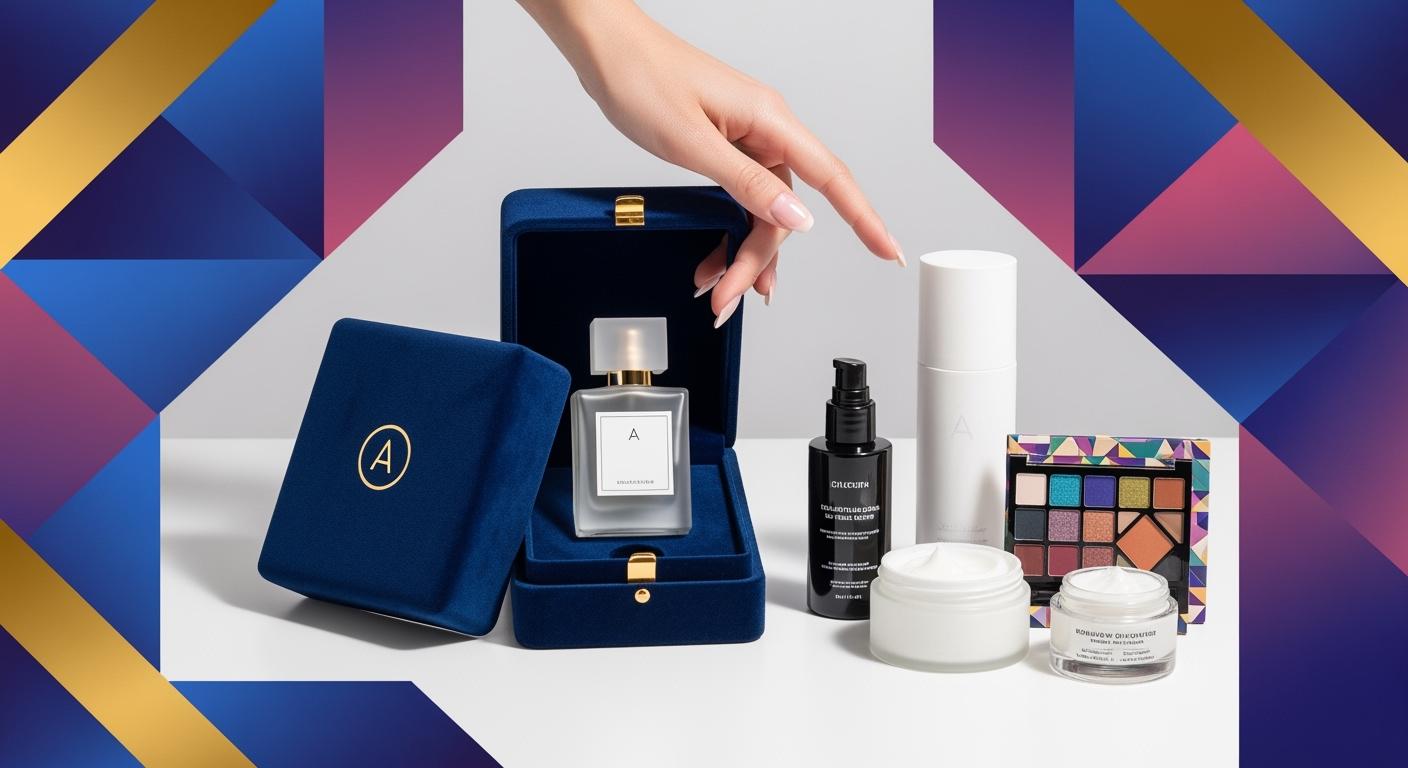
A buyer describes one bottle as the premium option before anyone touches it. Another sample is introduced as the budget alternative. The subsequent discussion may repeat those labels rather than identify a visible difference. For cosmetic companies and wholesalers selecting new presentations, separating observations from the sales narrative makes the feedback easier to use.
Choose one review question
Decide whether the session concerns visual identity, hand feel, opening sequence or overall presentation. These are related but different questions. A remote image review cannot answer how an actuator feels. An empty sample cannot reproduce the weight of a filled pack. State those limitations before asking reviewers to compare candidates.
Do not ask a broad question such as which one is best without defining the intended use. A pack for a bathroom shelf may be judged differently from a travel presentation. Give the relevant scenario without revealing which option management wants to win. Keep formula performance and technical release outside an appearance preference exercise.
Make the samples comparable
Give each sample a neutral identifier and record its actual completion state. List missing decoration, substitute caps, dummy weights and prototype surfaces. If one candidate has a finished logo while the other is undecorated, either align the presentation or explicitly limit what can be compared. Do not attribute every preference to the underlying container.
For a physical review, agree whether samples are empty or filled and whether reviewers may operate the dispenser. Use a suitable agreed trial material and handling procedure where relevant, without implying it proves compatibility with the final formula. Keep all sample histories so later functional checks do not unknowingly use heavily handled review specimens.
Collect individual observations before discussion
Ask reviewers to write a short first impression independently. Request concrete descriptions: a cap looks misaligned, a surface feels slippery, or text is difficult to locate. Preserve the original wording and sample identifier. A group discussion held first can make a quiet reviewer follow the first confident opinion instead of contributing a separate observation.
Separate the observation from its proposed explanation. A reviewer may say a bottle feels light and then conclude it is poor quality. Record both, but do not treat the interpretation as a measured defect. Ask which feature created the impression and whether that feature conflicts with the intended brand brief. Avoid turning personal language into a universal rule about materials.
Introduce price and brand context separately
After the initial round, present the intended positioning and real commercial constraints. Record whether a reviewer changes their preference and why. That change is useful information about the role of context; it should not overwrite the original response. Preserve the sequence rather than reporting only the final preferred pack.
A hypothetical review may find that a compact plastic pack is initially preferred for handling, while a heavier glass option is preferred after a luxury positioning brief is explained. This does not prove either will sell better. It identifies a design tension for the brand to investigate with an appropriately designed consumer study if that decision matters commercially.
Keep the report proportionate to the evidence
State who participated in broad role terms, what they reviewed and which conditions applied. An internal session with procurement staff is not a representative customer survey. Avoid percentages that imply market-wide confidence from a small convenience group. Do not publish a willingness-to-pay uplift based on leading questions or an informal meeting.
Summarise recurring observations alongside disagreements. A preferred overall appearance can still conceal a specific access problem. Send that issue to the responsible technical reviewer. The sample approval checklist helps distinguish a design preference from evidence needed for complete-pack release.
Translate feedback into the next sample request
Write a bounded change request: which feature changes, which remains fixed and what the next review will answer. For decoration alternatives, consult the logo decoration discussion and obtain a proposal for the actual substrate. A request for more premium appearance is too vague to verify.
Keep the original samples or an identified record, the initial responses, the contextual round and the final decision together. Connect additional development work to the project milestone plan. Repeated preference meetings should not silently move artwork and production approval dates.
Prepare the enquiry
Use the packaging enquiry page to share the selected format and precise appearance questions. Oulete’s MOQ is 10,000 pieces for glass packaging and cosmetic tubes, and 5,000 for plastic airless and plastic lotion bottles. Confirm the actual decoration scope separately.
Does an internal preference review replace consumer research?
No. It can identify design questions, but its participants and method limit what can be concluded.
Should commercial context be hidden permanently?
No. Introduce it in a documented later stage so the team can distinguish initial impressions from informed trade-offs.