


Quick Answer
Cosmetic packaging color matching needs an approved physical master for each visible component, agreed viewing and measurement conditions, and a recorded tolerance. A color code starts the conversation; it does not guarantee that glass, plastic, coating and print will look identical. Approve the complete assembly and retain batch samples before production release.
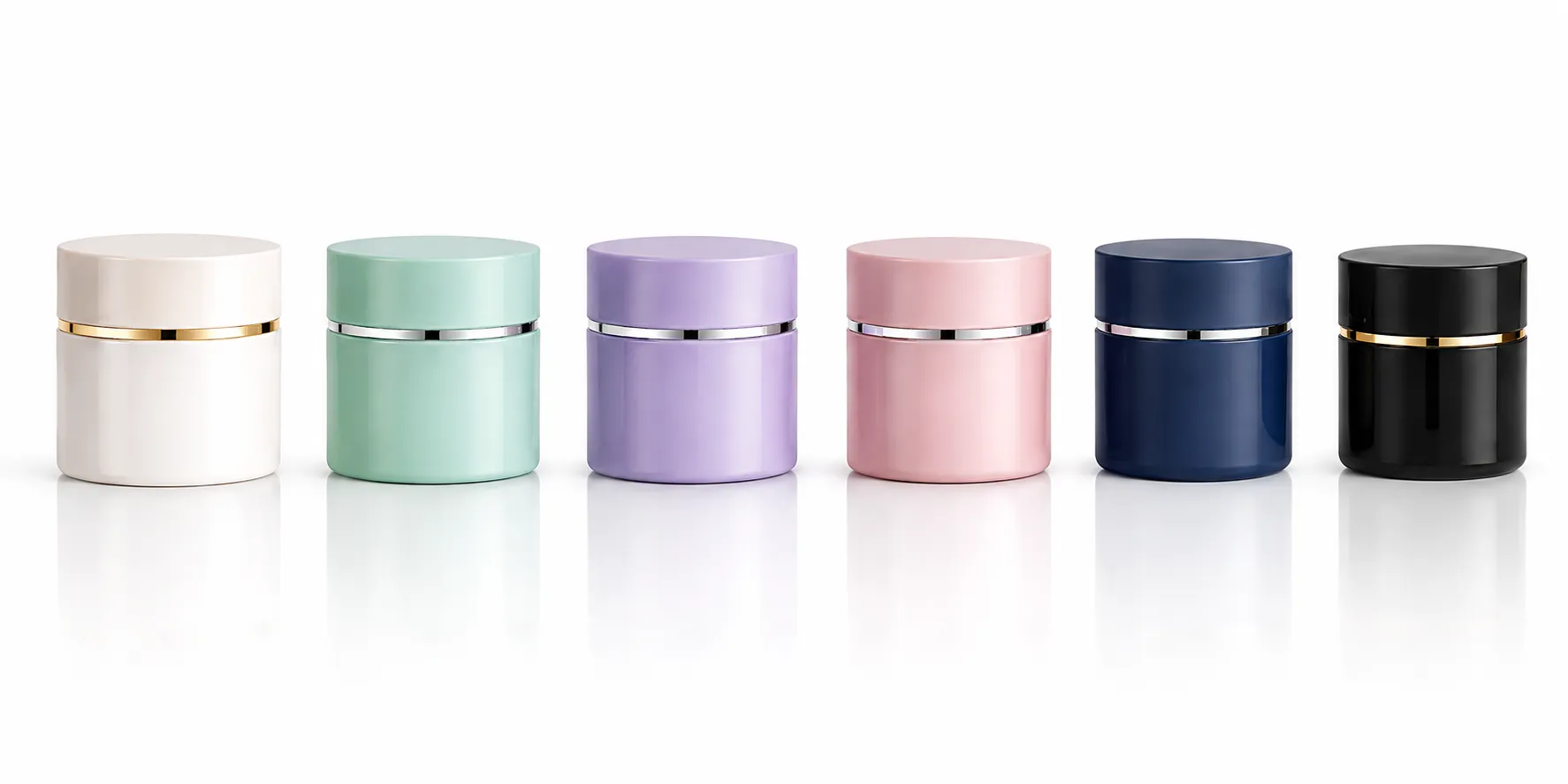
A coordinated skincare range can include a molded cap, coated bottle, printed logo and metallic trim. Even when every purchase order names the same color, those surfaces can differ in gloss, opacity and apparent depth. This guide addresses the approval record that keeps those differences controlled, rather than choosing a decoration process.
Give Each Component Its Own Reference
List every visible surface in the packaging bill of materials: bottle body, cap, collar, actuator, label and printed artwork. Identify the material, finish and supplier revision beside the intended color. A glossy cap should not be judged against a matte paper swatch alone.
Request a physical sample made on the proposed substrate using the intended process. For transparent or translucent packs, state whether evaluation is empty, filled or against a defined background. Product color and wall thickness can change the assembled appearance, so approval should describe that viewing state.
Build a Color Approval Sheet
| Record | What to agree |
|---|---|
| Master identification | Component, material, finish, sample date and revision; identify where the signed master is retained. |
| Visual comparison | Lighting conditions, background, viewing orientation and whether the sample is filled. |
| Instrument method | Instrument settings, measurement location and agreed color-difference calculation, if instrumental checks are used. |
| Acceptance boundary | Project-specific limits and signed boundary samples for acceptable variation. |
| Assembly approval | Acceptable relationships between neighboring parts, not just each component in isolation. |
Do not copy a universal color-difference number into every specification. The agreed limit must suit the surface, measurement method and visual requirement. Small curved areas, metallic finishes and textured parts may need an explicitly agreed inspection approach rather than a reading taken wherever the instrument fits.
Compare Under More Than One Relevant Light
Review the pack under the agreed reference lighting and under lighting relevant to its intended display. Two materials may match in one condition and separate in another. Record that observation instead of adjusting one part until it matches a single phone photograph.
Digital images are useful for locating defects and communicating which component is involved. Camera exposure, white balance and screen settings make them a poor substitute for a signed physical color standard. Ship matching reference samples to the parties responsible for approval when a color decision cannot be resolved remotely.
Control Batch Release and Changes
At the agreed production checkpoints, compare samples with the retained master and record the component lot, inspection result and disposition. Preserve representative accepted samples so a later complaint can be compared with the actual approved batch.
- Separate color observations from scratches, coating defects and print-registration defects.
- Check adjacent components together before approving a mixed-lot assembly.
- Identify a new resin, pigment, coating, mold texture or decoration revision as a change requiring review.
- Do not silently replace a faded or damaged master; issue a controlled replacement with the approval history attached.
Prepare the Supplier Brief
Send the target color reference, component list, finish, artwork and appearance priorities together. For process selection, read our printing, hot stamping and labeling guide. Use the sample approval checklist to document the final assembly, and request a project-specific sample plan.
Common Questions
Is a Pantone reference enough?
It identifies the intended color family, but the production material and finish still need an agreed physical reference. A paper swatch is not the finished bottle or cap.
Should every component have the same instrument reading?
Not necessarily. Define the desired assembled appearance and the method appropriate to each surface. Component-specific references can be more useful than forcing unlike materials into one reading.
What happens when a supplier changes a material?
Review the affected reference, appearance and compatibility requirements before accepting the change. Keep the new approval linked to its revision and production lots.
Further reading: X-Rite guidance on brand color consistency.