


Quick Answer
Before commissioning a custom cosmetic mold, define the specific requirement an available stock pack cannot meet and the evidence that a new design could resolve it. Compare stock, modified-decoration and custom options against the same brief. A unique silhouette or a large forecast alone does not prove functional benefit or guaranteed cost savings.
The decision starts before tooling ownership or production acceptance. Those matters are important, but they cannot explain why a new geometry is needed in the first place.
Write the gap as an observable requirement
State the intended task and the stock candidate’s limitation. Examples might concern a specific handling requirement, clearance in a filling fixture, component arrangement or a defined display constraint. These are possible project questions, not claims that any named stock model fails them.
Keep an appearance preference distinct from a functional requirement. A brand can legitimately seek an exclusive shape, but that decision should not be presented as a proven dispensing improvement without evidence.
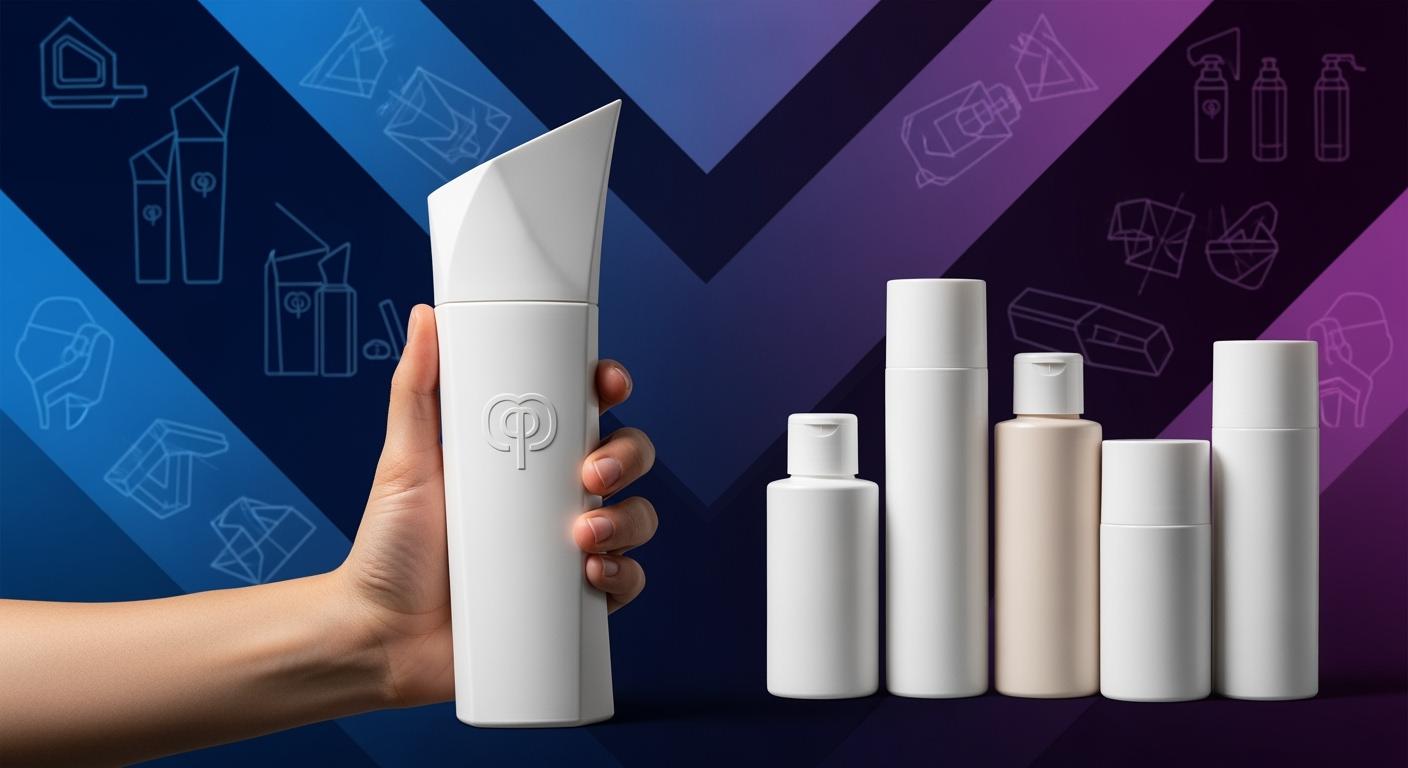
Compare alternatives on one sheet
List the best available stock design, any feasible stock customization and the proposed new geometry. For each, record which requirement is met, which remains unresolved and what evidence supports the conclusion. Include matched closures and the intended filling arrangement; the bottle shape alone is not the whole pack.
If a label, color or existing component can meet the stated need, keep that option visible. If only new geometry appears to address it, describe the unresolved engineering work rather than declaring it solved from a rendering.
Use prototypes for the questions they can answer
A prototype can help review geometry, grip or an interface, depending on how it is made. Record its material, manufacturing route and limitations. It should not automatically approve the final production resin, barrier performance, finish or molding consistency.
- Identify the design question before making the prototype.
- Record the drawing revision and prototype identity.
- Review the relevant task with the responsible team.
- Keep unsuccessful observations and proposed revisions.
- List what still requires production-intent components.
Keep commercial assumptions explicit
Use project-specific quotations for tooling, sampling, modifications, components and validation work. Keep demand forecasts as assumptions rather than confirmed orders. Do not use a universal piece-count threshold to promise that custom tooling pays for itself.
Before commitment, agree the engineering deliverables, approval milestones and the applicable commercial arrangements with the responsible parties. A feasibility discussion is not permission to begin production.
Release the next stage, not the entire project
A decision to develop the design should identify what can proceed and what evidence is still needed. Link later drawings and samples to the original gap. If the proposed geometry does not resolve it, reopen the option comparison rather than allowing sunk effort to become the only reason to continue.
Use a requirement-to-evidence option matrix
Compare alternatives against the same defined gap. Give each stock candidate and proposed geometry a reference. Record what was actually observed and what is still a design assumption, so a persuasive rendering does not silently replace missing physical evidence.
| Option field | Record |
|---|---|
| Requirement | Observable task or constraint |
| Candidate | Stock reference or drawing revision |
| Evidence | Applicable sample, trial or review |
| Unresolved gap | Next engineering question and owner |
Keep appearance exclusivity separate from a functional improvement. Both can matter to a brand, but the approval record should explain which objective justifies the next stage. A demand forecast remains an assumption until supported by the project.
Investigate a prototype that misses the gap
For example, a new silhouette may look distinctive yet still fail the intended fixture-clearance review. This illustrative result should reopen the option comparison rather than be hidden behind the work already invested.
Ask the responsible team which dimension or arrangement needs revision and which prototype method can answer it. Record the changed drawing and repeat the applicable task. Keep production-material and finished-pack checks open where the prototype cannot represent them.
Define a staged development release
State the deliverable permitted to proceed, its review owner and the evidence needed before the next commitment. A decision to explore geometry should not be interpreted as permission to build tooling or release production.
Keep quotation references and explicit assumptions with the stage decision. If the original gap disappears or another stock option becomes suitable, review the alternatives again. This avoids turning prior effort into the sole reason for commissioning a mold.
FAQ
Does a custom mold guarantee savings? No. Compare actual quotations and explicit assumptions.
Can a rendering approve production? No. It cannot establish the physical performance of the final pack.
What justifies the design stage? A defined requirement, reviewed alternatives and a clear plan to obtain the missing evidence.
Organize later validation with the sample approval checklist. Share the design gap and stock references for a feasibility discussion.