


Quick Answer
Body wash bottle packaging should be evaluated with the actual shower gel in the intended bottle and closure. Check wet-hand grip, stability during dispensing, bottle recovery, residue around the outlet and reliable reclosing. Select the pump or flip-top after filled-use trials; appearance and material names alone cannot establish performance.
Bathroom use creates a different review brief from a bottle displayed dry on a shelf. Hands may be wet, product can collect under the cap, and a partly emptied bottle may feel different from a full one. This guide focuses on those handling details rather than repeating a general pump selection guide.
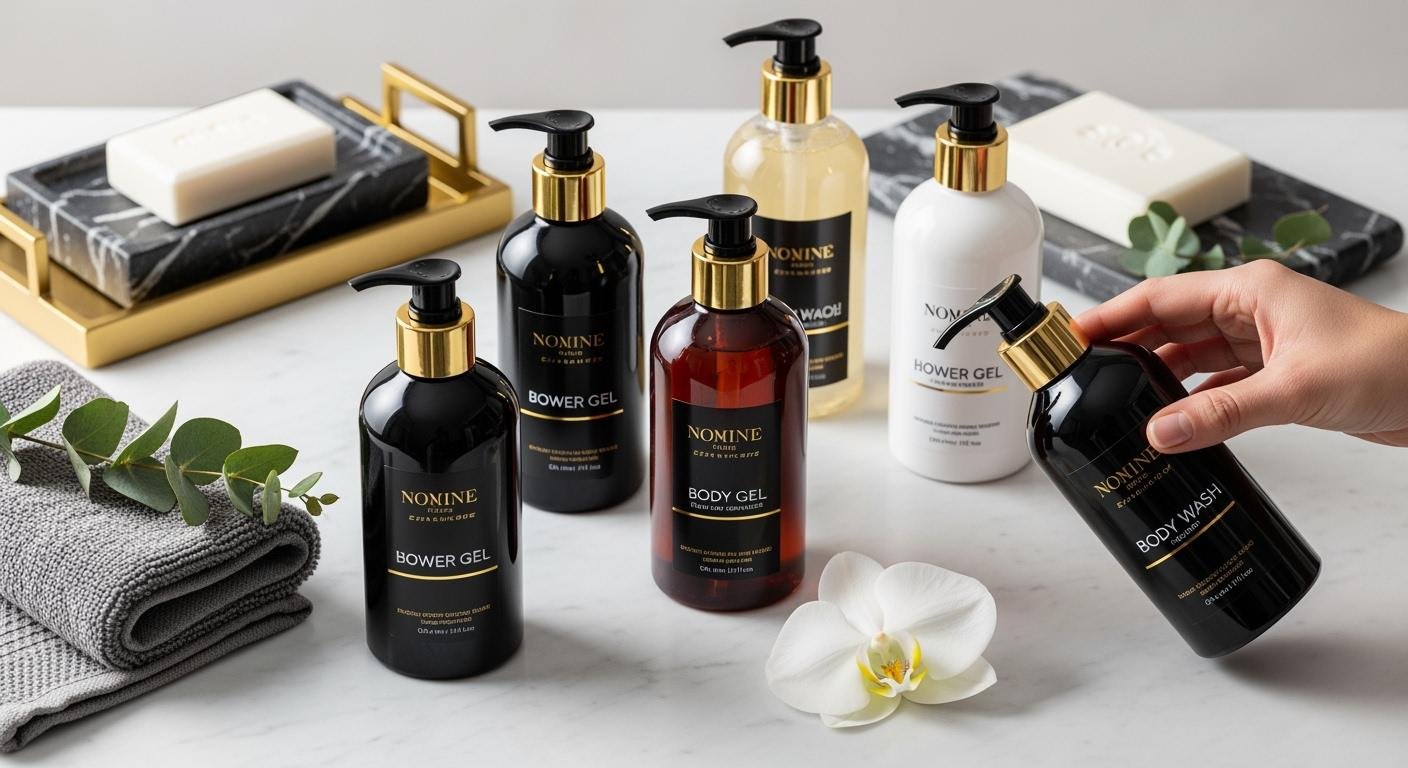
Start with the Intended Use Position
Specify whether the bottle will stand upright, hang, lie on a shelf or rest on its closure. Identify the intended fill and the space available around the dispenser. A tall bottle with a small base may need a different handling review from a compact squeeze bottle.
Test at full, partly used and near-empty states. Observe whether the bottle tips during pump operation, slips when lifted or becomes difficult to squeeze. Record the behavior on the relevant surface with the intended use conditions; do not turn a dry tabletop demonstration into a general bathroom safety claim.
Compare Pump and Flip-Top Use
| Assembly | Filled-use observations |
|---|---|
| Pump bottle | Actuation force, bottle stability, outlet residue, dose consistency and lock/unlock operation. |
| Flip-top squeeze bottle | Opening force, grip, control of flow, bottle recovery and cap resealing. |
| Inverted bottle | Closure support, product collection around the outlet and flow when reopened. |
Use the actual formula rather than water alone for the functional trial. A product’s flow and tendency to leave residue can affect handling. Document the selected closure revision and bottle specification so a later component substitution does not inherit approval automatically.
For the underlying pump brief, see matching pumps to cosmetic formulas. Here, the additional question is whether the complete body wash bottle remains manageable during repeated wet-hand use.
Inspect Residue and Recloses
After repeated dispensing, examine the spout, cap recess and sealing surfaces. Record after-drip separately from a seal leak. Check whether dried residue prevents the flip-top from closing or makes the pump outlet difficult to use. Define any cleaning step in the test procedure rather than assuming users will clean the pack after every application.
- Open and close the selected cap through an agreed sequence.
- Review latch engagement and visible gaps with product residue present.
- Check the pump lock without pressing product out unintentionally.
- Record damaged hinges, collar movement or loss of closure retention.
Review the Decorated Bottle, Not Only the Blank
Printing, coatings and labels can change the gripping surface. Review the final decoration in the same use trial. Look for lifting edges, illegible print or surface changes after the agreed exposure and handling conditions.
Ask the responsible formulation and packaging teams to define compatibility and stability work on the proposed commercial assembly. Clear PET, opaque HDPE and other candidates need evidence appropriate to the actual formula and design. Do not claim that a resin name makes the whole assembly recyclable, chemically compatible or suitable for every body wash.
Document Acceptance Before Ordering
The approval record should identify the formula, fill, bottle, closure, decoration and test conditions. Include observations at different remaining-fill levels, acceptance limits and any unresolved issues. A signed appearance sample does not replace a functional filled-pack approval.
Use the sample approval checklist and request body wash packaging samples with the intended use position and dispensing preference.
Common Questions
Is a pump always better for body wash?
No. Compare the complete pump and squeeze assemblies with the actual formula, use position and handling requirements.
Can a dry blank sample approve the bottle?
It can support a preliminary shape review. Filled functional testing and decorated-sample review are still needed for the commercial assembly.
Why test a partly empty bottle?
Its weight, stability, grip and dispensing behavior may differ from those of a full bottle.