


Quick Answer
Review a lip gloss wand as part of the closed reservoir, wiper and cap assembly before and after the agreed packing and handling trial. Record alignment, contact marks, insertion and withdrawal using identified samples. Keep initial geometry, formula pickup and post-handling changes separate. An attractive applicator shape does not establish clearance or prove that the shipped assembly remains unchanged.
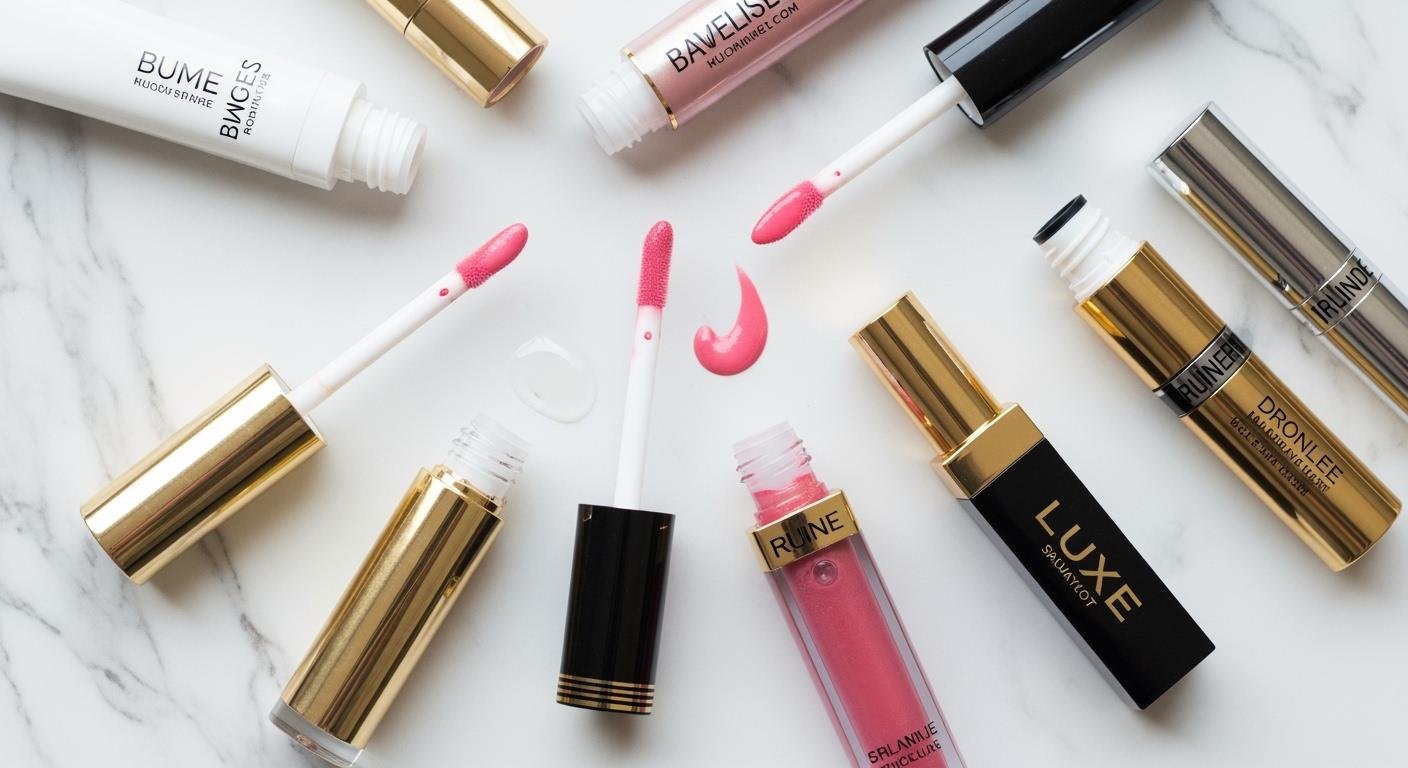
A brand can approve the amount of gloss on an applicator while overlooking what happens to the closed wand during packing. A filler can accept an empty assembly yet receive a different packed configuration. This guide concerns alignment and handling evidence around the wand-style package, not a universal comparison of lip gloss materials or promises of hygienic performance.
Identify the closed assembly
List the reservoir, wiper, stem, applicator, cap and relevant attachment references. Request the current assembly drawing and clarify which features control the closed wand’s position. State the actual supplied state: loose parts, fitted wiper, subassembly or complete pack. A product picture alone cannot settle those interfaces.
Use the wiper, wand and formula matching guide for the broader application trial. This article adds the before-and-after handling question. A different cap, stem length or applicator variant should be identified as another candidate even if the exterior barrel stays the same.
Record the baseline before packing
Observe representative samples in their received and assembled condition before starting the handling trial. Record visible alignment, tip condition and any existing contact marks using the agreed inspection method. If the method requires disassembly, identify which units were opened and avoid reporting them as untouched closed references afterward.
Ask the supplier to identify intended contact and clearance areas. Do not assume every contact mark is unacceptable, nor that any apparent gap is sufficient. The responsible teams should agree the actual specification and method. A magnified photograph can help investigation without becoming a universal production tolerance.
Separate cap alignment from stem alignment
Record whether an observation concerns the cap’s exterior position, the stem attachment, the applicator or the reservoir interface. A cap that appears straight can conceal a different internal alignment. Conversely, a decorative cap feature may make a correct assembly look offset. Use component references and relevant drawings to frame the review.
When a candidate is deliberately shaped or curved, preserve that intended geometry. Do not label it bent merely because it differs from a straight-stem design. The question is whether the sample matches its proposal and works through the relevant insertion and withdrawal sequence. Compare it against an identified reference rather than an unrelated catalog image.
| Observation | Before handling | After handling |
|---|---|---|
| Component identity | Confirm matched references | Retain the same unit mapping |
| Stem and tip condition | Record intended shape and visible marks | Record new or changed observations |
| Wiper position | Identify fitted state | Check movement under agreed method |
| Withdrawal | Record defined action | Repeat comparable action |
| Packing contact | Describe actual arrangement | Locate damage or interference |
Define the packout being tested
Identify whether the trial concerns empty component shipment or the filled retail product. Record divider, tray, bag, carton and orientation where applicable. The transport question for loose applicator assemblies is not identical to the question for filled, capped tubes in individual retail cartons. Keep the two configurations distinct.
The brand, packer and chosen testing organisation should agree the handling route and evaluation method. This article gives no universal drop height, load or duration. Ask the parties to justify the selected conditions for the intended distribution scope and retain the actual arrangement with the trial record.
Preserve evidence before correcting it
If a sample catches during withdrawal or shows a new mark after handling, record the condition before straightening, cleaning or replacing a part. Identify the unit and where it was packed. A corrected sample may help subsequent investigation but should not replace the original finding.
Keep affected and unaffected references traceable to their original locations. A mark concentrated in one packing position can inform the review, but it does not by itself prove the carrier, material or component supplier caused it. Describe the observation and obtain a responsible investigation rather than assigning cause from one photograph.
Repeat the relevant functional checks
After the agreed handling, compare insertion, withdrawal, wiper retention and cap closing against the baseline method. Where actual-formula samples are required, retain the formula identity and filling history. A dry withdrawal check can answer a limited geometry question without reproducing the loaded applicator’s behaviour.
Record product on the tip, stem and neck separately if pickup is part of the scope. Do not turn a changed pickup into proof of a bent stem without checking the complete assembly. The result may involve several interfaces. Preserve uncertainty when multiple components or preparation conditions changed.
Review an illustrative failure sequence
Suppose an imaginary trial shows acceptable initial withdrawal but a new stem mark after the packed handling sequence. The next useful questions concern the same unit’s closed position, packing contacts and withdrawal history. Retain the affected assembly and compare it with a traceable baseline. This is a hypothetical investigation, not an Oulete result or a claim about a particular applicator.
If a different tray or stem is proposed, label the new configuration and repeat the affected work. Avoid altering several variables at once when the purpose is to understand the cause. If several changes are needed for development, report the comparison’s limits instead of claiming one specific correction solved everything.
Release a repeatable configuration
Attach the drawing, component references, packout and observations to the sample approval record. Ask who may approve component or packing substitutions. A wholesaler should keep the customer-specific assembly linked to its product selection, not treat every similar barrel as interchangeable.
Send the proposed wand assembly, filling state and distribution question through the packaging enquiry page. Request confirmation of availability, sourcing scope and quantity for this particular wand-style pack. Do not infer its MOQ from skincare soft tubes or plastic lotion bottles merely because both are called tubes or bottles.
Frequently Asked Questions
Does an exterior cap inspection establish stem clearance?
No. Review the actual internal assembly and relevant evidence.
Can a dry test qualify formula pickup after transport?
No. Identify its limited purpose and carry out the agreed actual-formula scope separately.
Should a marked wand be straightened before reporting?
Preserve the as-observed evidence first. Record any authorised corrective handling as a separate step.