


Quick Answer
Evaluate foundation shade visibility using the actual formula in the final decorated glass bottle. Compare the viewing area under defined lighting and at intended fill levels, with the shade code visible. Do not assume clear glass, a photograph or an empty bottle reproduces the formula’s appearance on skin.
A glass bottle can display the product and still make adjacent shades difficult to distinguish. The useful approval question is whether the chosen pack communicates the intended shade identification without relying on an unverified promise of true color.
Define what the viewing area should do
Decide whether the window is intended to show approximate product color, remaining quantity, texture or simply a visual effect. These are different tasks. Record the intended view and the areas covered by coating, print or label. Keep mandatory product information and shade identification under their own artwork review.
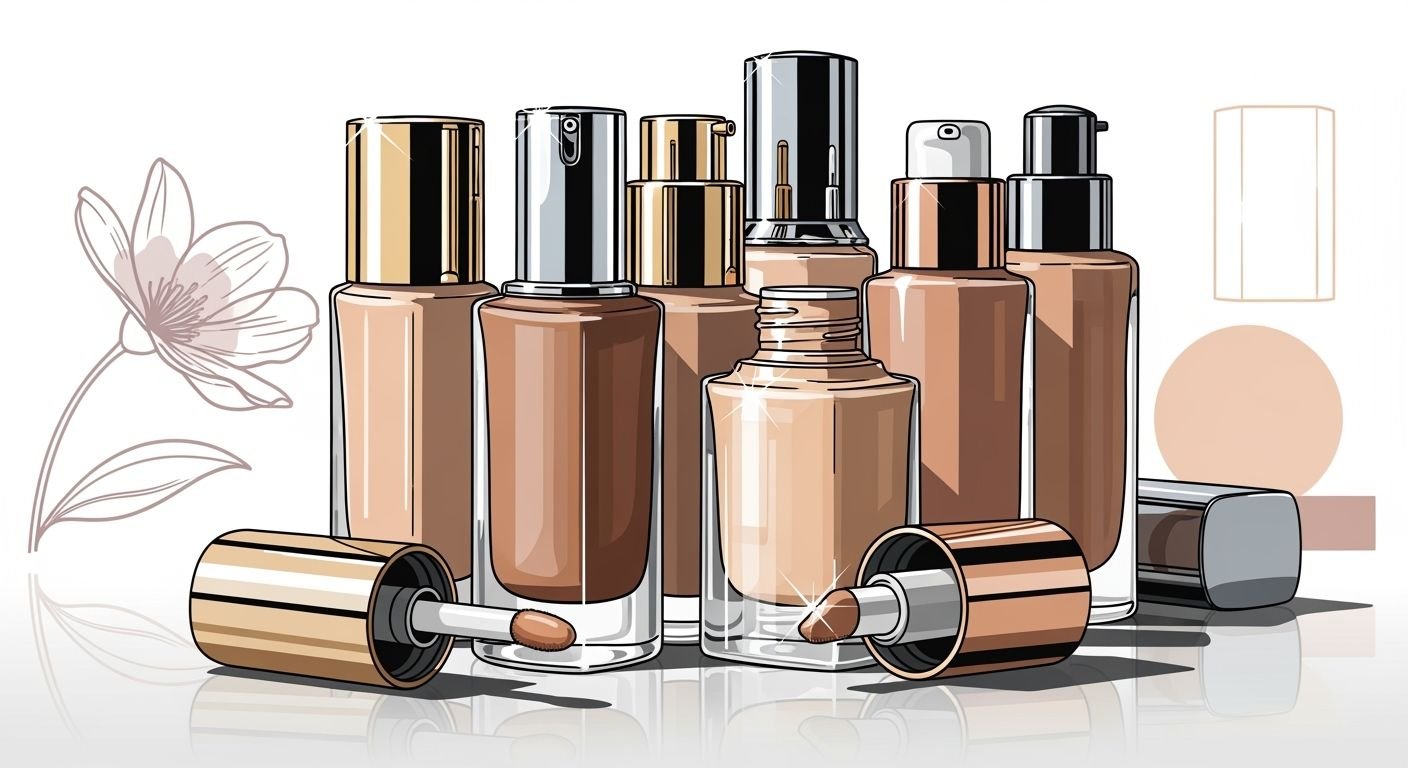
Use a controlled comparison
Prepare representative filled samples with the production-intent bottle and decoration. Identify each formula shade and fill condition. Compare candidates under the same selected lighting and viewing position, using a reference agreed by the brand team. Document the conditions rather than comparing unrelated phone photographs.
- Can a reviewer find and read the shade code?
- Is the intended product viewing area unobstructed?
- Do neighboring shades remain distinguishable for the intended task?
- Does decoration hide the product at common viewing angles?
- Does the result change materially at partly used levels?
Ask reviewers to identify the code or viewing feature before revealing the expected answer. Record confusion between specific variants, not just a general preference for one bottle.
Keep formula observations separate
Visible settling, bubbles, streaks or a changed appearance should be referred to the formulation team with the sample identity and storage conditions. Do not describe the bottle as causing or preventing a change without an investigation. Packaging visibility is not a substitute for the product’s stability assessment.
Likewise, color seen through the filled bottle should not replace shade evaluation on the intended application surface. The pack is one communication channel, not the whole shade-selection system.
Approve the decorated version
Retain the accepted filled appearance reference where appropriate, with handling and storage instructions. Record the bottle, coating and artwork revisions. A new frost level, tint, label size or window position should reopen the affected visual review. An approved bare bottle is not approval of every decorated version.
Use a shade-recognition trial sheet
Prepare samples with identified formula shades and the same fill preparation. Keep the intended code and viewing area visible as they will appear in the final pack. Ask reviewers to complete the defined identification task before revealing which shade was expected.
| Trial field | Record |
|---|---|
| Sample | Formula shade, bottle and decoration revision |
| Viewing | Light, position and background |
| Use stage | Full or partly used condition |
| Response | Selected code, confusion and cue used |
Keep errors linked to the specific pair of shades. A general statement that the range looks clear does not explain which neighboring variants were difficult to distinguish. Separate observed recognition from a preference for one finish.
Investigate a window obstruction
For example, a label may leave a window visible from the front but obscure it when the bottle is held normally. This illustrative result should be reviewed with the final artwork and grip position, not only with an enlarged design file.
Compare a revised window or code location on a complete filled sample. Recheck recognition and information layout together. Do not imply that improved visibility proves the formula looks identical on skin.
Release the visual arrangement by variant
Retain the reviewed range with shade identities and viewing conditions. If the same bottle supports several variants, identify which were actually checked and any remaining scope. A new coating or label should trigger the relevant review.
Pass the accepted physical references to artwork and quality teams with explicit limitations. Formula appearance concerns should remain with the responsible development team rather than be resolved through packaging copy alone.
FAQ
Does transparent glass guarantee true shade? No. Evaluate the actual filled viewing arrangement and intended task.
Can a digital rendering close the review? It can help plan artwork, but it does not establish the filled physical appearance.
What belongs in the approval record? Formula and shade identity, fill condition, bottle and artwork revisions, viewing conditions and the accepted scope.
Record this review with the sample approval checklist. Share the bottle and viewing-window brief for sourcing.