



Quick Answer
A compostable cosmetic tube proposal needs evidence for the identified finished construction and a defined disposal environment. Separate industrial composting from home composting, and check the body, shoulder, cap, decoration and other supplied parts against the stated scope. Do not turn a resin brochure into a whole-pack claim or assume that a certified material will be accepted by every local collection service.
A brand asks for a greener hand cream tube and receives a plant-derived material description. That may start a material discussion, but it leaves the disposal decision open. Procurement needs to understand what is proposed, what evidence applies and what consumers could realistically do with the used package.
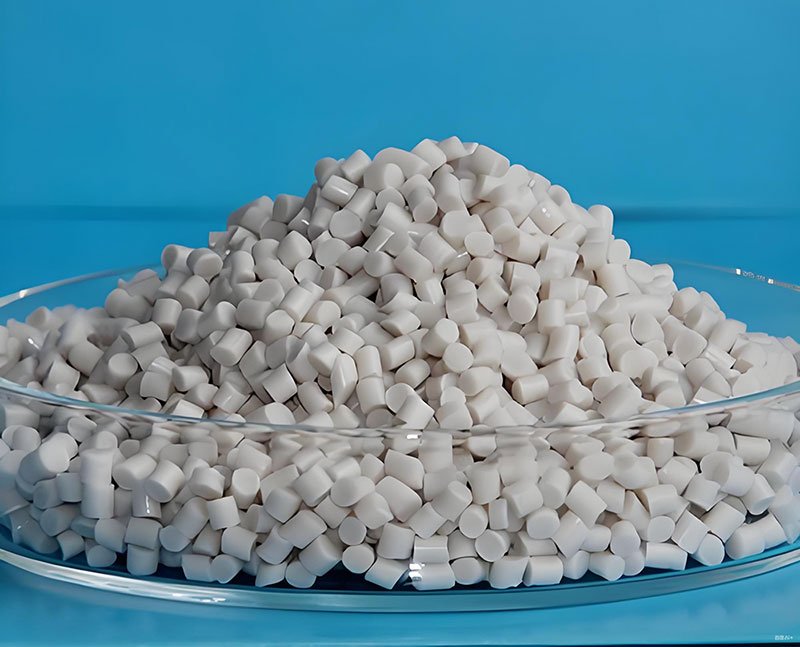
Name the environment instead of saying naturally degradable
European Bioplastics’ organic-recycling explanation describes industrial composting as a controlled process and links its compostability discussion to defined standards and certification. That is different from an undefined promise that a package disappears after disposal.
Its separate home-composting overview describes lower, less consistent temperatures and distinct home-compostability assessment routes. An industrial claim should not silently become a garden-compost instruction. Do not infer suitability for soil, water, roadside litter or landfill from either description.
Record the precise claim the project wants to evaluate, the intended destination market and the proposed disposal route. Keep unknowns explicit. A broad eco-friendly statement can conceal several unsupported promises and gives the supplier no clear evidence request.
Identify the complete tube construction
Request a component and layer description for the actual proposal. Include the body layers, shoulder, dispensing opening, cap, any membrane, adhesives, inks and coatings as applicable. State whether the quotation concerns a complete empty tube or only one part. The word biodegradable on a body-material brochure does not identify the rest of the assembly.
Ask which exact construction each supplied document names and which parts it excludes. A certificate or test report may have a narrower scope than the buyer’s proposed artwork. If the proposal changes thickness, colour, coating or cap, ask the evidence owner whether the existing scope still applies. Do not decide equivalence from visual similarity.
| Review field | Evidence request | Unresolved risk |
|---|---|---|
| Claim environment | Industrial or home route stated precisely | Generic biodegradable wording |
| Covered item | Named material, component or finished product | Whole-pack artwork based on a single resin |
| Construction | Layers, thickness range and included finishes | Unreviewed change to the certified scope |
| Destination route | Current collection and treatment acceptance | A disposal instruction with no usable local route |
| Product use | Actual formula and filled-pack evaluation | Environmental evidence mistaken for compatibility |
Check documents before placing a logo
Obtain the issuing organisation, certificate or report reference, named holder, covered item and applicable conditions. Ask the responsible claims reviewer to confirm authenticity, current scope and any permission needed for the proposed mark. A copied logo in a presentation is not an approval record.
Keep a material assessment, finished-product evidence and artwork authorisation in separate fields. They may be connected, but they are not interchangeable. Where the supplier cannot provide the required connection to the offered tube, keep the consumer-facing claim on hold rather than completing the gap with marketing language.
This article does not establish legal labelling compliance in any market. The brand’s responsible reviewers must evaluate the actual wording and destination requirements. No compostability certification or qualified compostable-tube capability is asserted for Oulete here.
Verify what the local route actually accepts
Ask the relevant collection or treatment operator whether it accepts the proposed packaging format under its current rules. Retain the operator, region, date and stated conditions. Availability of a composting facility somewhere in a country does not answer whether the customer’s collection service accepts this used cosmetic pack.
Review instructions for the cap and other excluded parts separately. If the proposed route requires separation, assess whether the intended user can identify and perform that action. Do not ask customers to put an unsupported component into compost simply to preserve a simple whole-pack message.
Residual cosmetic contents introduce another question for the responsible disposal reviewer. A packaging material statement alone does not determine how a partly used formula should be handled. Do not invent a universal rinse, drain or composting instruction for every skincare product.
Retain ordinary packaging qualification
A proposed end-of-life benefit does not approve filling, tail closure, dispensing, decoration or formula contact. Ask the supplier and filler to review the production-intent construction and process. A display sample should not become the only evidence for a material change.
Use the cosmetic tube product page to define the intended application and format, then identify any specialist material proposal separately. Keep the ordinary packaging requirements in the brief while the environmental evidence is under review.
Illustrative decision: the cap remains outside scope
Imagine a supplier provides a document for a proposed tube body, while the mockup describes the complete capped tube as home compostable. The cap and decorated construction have not been connected to that document. This is a hypothetical scope mismatch, not an Oulete certificate or supplied product.
The buyer should request the missing evidence and review a narrower statement if appropriate. It should also verify a usable disposal route. Changing the icon or adding a leaf to the artwork does not resolve either issue. Keep the environmental claim decision separate from approval to continue physical samples.
Build an enquiry that can be answered
Retain the selected construction, evidence references, exclusions, route confirmation and approved wording with the packaging sample record. Recheck the affected scope when a material, decoration or component changes.
Oulete cosmetic tube enquiries start at 10,000 pieces. This baseline does not confirm availability or minimums for a particular compostable construction. Send the target market, application, required environmental evidence and ordinary tube specifications through the packaging enquiry page, and ask for a documented proposal before making public claims.