



Quick Answer
A lower packaging unit price is not automatically a lower-risk purchase. Compare the total quantity you commit to buy, when cash is due, how many complete sets can be used, and what happens if the formula, artwork or launch volume changes. Separate a purchase commitment from the quantity delivered this month.
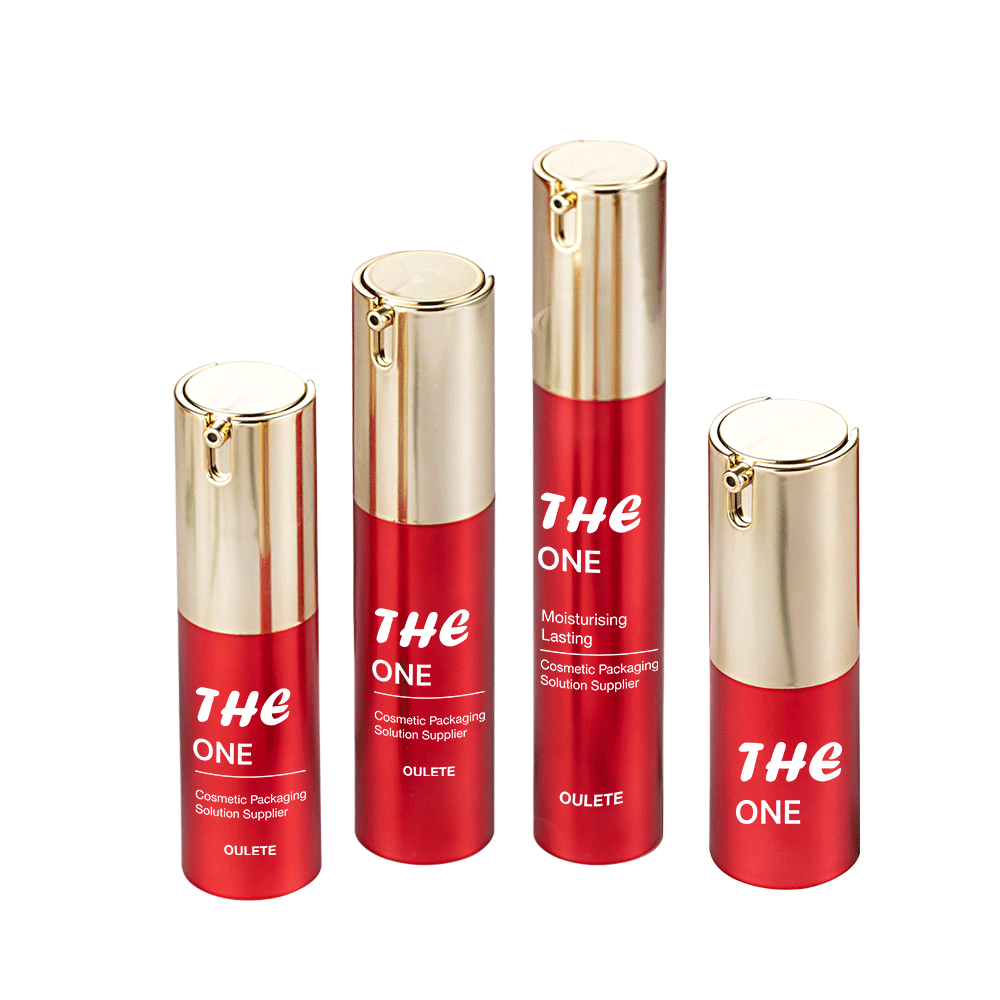
A cosmetic company may be offered a better price for a larger order while its filling plan remains uncertain. A wholesaler may expect several customers to use the same bottle but require different decoration. A contract filler may need components before the brand has approved its revised artwork. Each situation can leave purchased packaging waiting instead of becoming usable finished goods.
Define the decision boundary
Start with the launch configuration and a realistic demand range. Record which components are common across products and which become customer-specific after decoration or assembly. Undecorated bottles might remain usable for another project, but that possibility needs confirmation of the component revision, available matching dispensers and storage history. Do not count an unapproved future use as certain recovery value.
Keep the purchase quantity, delivery quantity and planned filling quantity in separate fields. A supplier holding some cartons for later shipment may still require a binding purchase of the whole run. Ask when ownership, payment, storage responsibility and release instructions apply. This is a commercial clarification, not a recommendation to accept a particular contract.
Count complete usable sets
Calculate the available sets from the limiting approved component, not the largest stock balance. Ten thousand bodies do not provide ten thousand usable packs if the matching pumps, caps or approved printed parts are fewer. Exclude quarantined, trial-consumed and customer-reserved parts from freely available stock. Keep proposed substitutes outside the calculation until reviewed.
Include the quantity required for the agreed filling trial and inspection plan rather than inventing a universal wastage allowance. Ask the filler to distinguish setup consumption, retained samples and production losses. A forecast should show its assumptions and owner so that a revised run plan can change the calculation transparently.
Make the cash timeline visible
| Decision point | Record | Question |
|---|---|---|
| Order placement | Total committed quantity and initial payment | What remains payable if demand changes? |
| Production release | Configuration and artwork freeze | Which parts become project-specific? |
| Shipment release | Balance payment and released cartons | Is held stock already purchased? |
| Filling | Usable sets and actual consumption | What quantity can become saleable product? |
| Remainder review | Stock condition and revision status | Can the remainder still be approved for use? |
Use actual quoted charges and payment dates. Keep tooling, decoration setup, transport and storage visible instead of burying them inside a hypothetical per-bottle saving. Compare alternatives over the same planning period and currency basis. Do not label an option cheaper simply because one offer leaves a future charge unpriced.
Test the change scenario before increasing quantity
Ask what would happen if the front-panel artwork changed after the first shipment. Which undecorated parts remain usable? Which printed parts need an authorised disposition? Repeat the exercise for a pump change or a reduced fill volume. The point is to locate exposure, not predict that a change will occur or assign an invented probability.
For a hypothetical lotion launch, purchasing might compare a single decorated run with a staged decoration proposal. The second option may introduce extra setup charges and timing dependencies. The first may create more obsolete printed stock if artwork changes. Neither wins automatically; compare the written scope and the team’s actual demand confidence.
Assign stock review ownership
Record who checks held stock before release to filling. Retain component lots, storage arrangements, approved revisions and any agreed review dates. Releasing an old carton is not just an inventory transaction when the formula, dispenser or specification has changed. Use the sample approval checklist to keep the physical configuration connected to its evidence.
Purchasing should know the next payment decision; the filler should know the next usable-set decision; the brand should know the last point at which decoration can change without affecting existing stock. Connect these dates to the production milestone plan, rather than treating the quoted production duration as the complete launch timeline.
Prepare a bounded enquiry
Send the required configuration, demand range, proposed releases and questions about held stock through the packaging enquiry page. Oulete’s confirmed MOQ is 10,000 pieces for glass packaging and cosmetic tubes, and 5,000 for plastic airless and plastic lotion bottles. Confirm decoration and delivery conditions for the actual project; these baselines do not promise mixed-model aggregation or staged payment.
Frequently Asked Questions
Does split delivery reduce my order commitment?
Not necessarily. Obtain the total purchase and payment obligation separately from each shipment quantity.
Can spare stock be valued as usable stock?
Only after checking its identity, condition, approval status and availability of the complete matching set.