


Quick Answer
Use photographs of the identified packaging configuration and state what they show: empty or filled, assembled or separated, final or development finish. Keep the image set tied to the quoted component references. A beautiful photograph does not establish formula compatibility, production capability, light protection or the parts included in an order.
Cosmetic companies use images to review presentation, filling factories need accurate supplied-state information, and wholesalers may reuse images in listings. When those images show another pump, a temporary finish or accessories not included in the offer, a visual approval can become a commercial misunderstanding. This article focuses on keeping product photography accurate rather than prescribing an aesthetic trend.
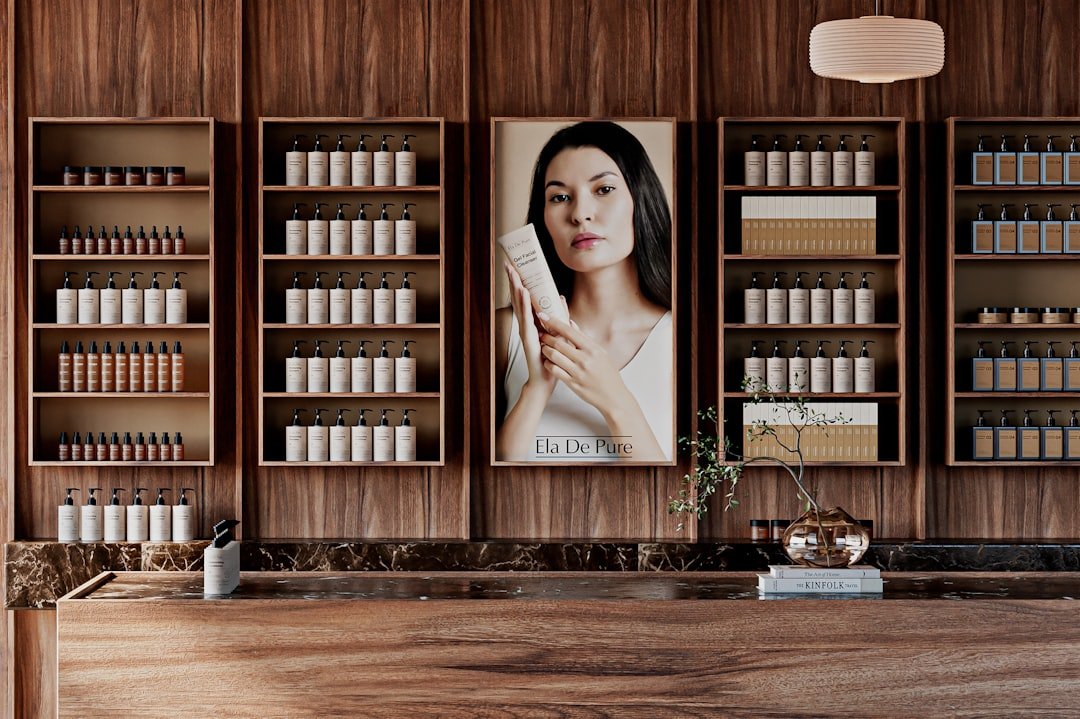
Identify the sample before the camera work
Give each photographed sample an assembly reference and revision. Record the body, closure, dispenser and relevant accessories, plus the artwork and finish. A capacity description alone cannot identify the product. Keep the sample label outside the final marketing view if appropriate, but preserve it in the working record.
State whether the sample represents the actual production proposal. A hand-finished development sample may answer a preliminary appearance question without representing the bulk process. Do not remove that limitation when its photograph is reused in a quotation or listing.
Keep a record of who owns or supplies the image. A reference photograph from another brand can support a visual discussion but should not imply that those goods are manufactured or offered by Oulete. Distinguish editorial inspiration from the actual quoted product set.
Show the supplied assembly
Include a complete assembled view and useful separated-component views where the order requires them. Identify whether the pump, overcap, collar, liner or other part is included. A styling prop beside a bottle should not silently become part of the offer.
Show the relevant supplied state. Packaging delivered as separate components needs a different description from a complete assembly. If a filler performs final installation, state that relationship. A photograph of an assembled display sample does not establish that every bulk unit arrives in that condition.
For a family, identify each size or variant rather than presenting one image as every available option. A larger body may use a different tube or closure configuration. Keep the approved pairings with the photographs so sales staff do not promise interchangeability from a coordinated appearance.
Make scale and geometry useful
Provide dimension information through the released drawing or specification rather than relying on perspective. A close-up can make a small component appear larger than it is. Use consistent views for comparisons and keep the exact dimension source available alongside the image set.
Show features relevant to the buyer’s question: the opening, label panel, closure profile or fitted assembly. Avoid cropping away the region the filler needs to inspect. A marketing front view and a technical reference view can coexist if both are identified and tied to the same sample.
Do not use photographic scale as a substitute for measurements. A ruler or reference object can add context, but the agreed drawing and method control the actual dimension decision. A photograph cannot establish receiving tolerances for the component.
Record empty and filled appearance separately
Clear and translucent presentations can look different when filled. State whether the contents are the intended formula, an identified appearance substitute or no contents at all. A visual substitute should not be described as evidence that the actual formula is compatible with the pack.
Keep relevant filled views alongside empty views when the brand’s appearance decision needs them. Use consistent lighting and backgrounds for a meaningful comparison. Do not edit the product colour or apparent fill level to imply an actual product condition that was not photographed.
Where reflections hide part of the graphic or finish, take another truthful view rather than relying on a heavily altered image as approval evidence. The brand should review the physical sample for colour and texture decisions; a screen image alone may not reproduce those attributes.
Keep image edits within their purpose
Removing an unrelated background can help a listing, but preserve the actual shape, components, artwork and finish. Do not add a dispensing feature or erase a relevant interface. Keep technical reference images separate from promotional compositions where the distinction matters.
If a rendering is used before samples exist, identify it as a rendering. A concept image can communicate a proposed direction without becoming evidence that production parts are available. Update the listing only after the appropriate configuration is confirmed.
A photograph of a factory operation should also state what it actually shows. It does not establish certification, a completed test or capability for every proposed process. Avoid combining an attractive product image and an unrelated operation photo into an unsupported performance claim.
Connect the listing to the quotation
Give the image set a reference that purchasing can trace to the offer. List included components, supplied state, finish and actual order scope in the specification. Keep prices and quantities in the current quotation rather than embedding unverified promises into reusable images.
Wholesalers should check descriptions when an image is copied into another catalogue or language. Preserve sample status and component limitations. A cropped listing that loses its reference can create confusion even when the original image was accurate.
- Sample and assembly references.
- Included components and supplied state.
- Artwork, finish and production relationship.
- Empty, filled or substitute-content status.
- Image source, rendering and editing limitations.
- Current quotation link and revision-review owner.
Use the sample approval record for physical decisions and the decoration brief for the actual finish. The serum format guide can support earlier selection without replacing the final assembly identity.
Quantities and enquiries
Oulete’s glass packaging and cosmetic tubes start at 10,000 pieces; plastic airless and plastic lotion bottles start at 5,000 pieces. Confirm tooling and decoration separately. Send the identified image set when you request the matching specification and quotation. The offer should describe what will actually be supplied, not infer guarantees from the photograph.