
Quick Answer
After a cosmetic packaging supplier visit, connect each observation to the quoted operation, assign an action owner and define the evidence needed to close it. Separate what was seen from what was inferred and from what remains unverified. A factory visit or video is useful context; it does not automatically approve every product, material, external operation or future order.
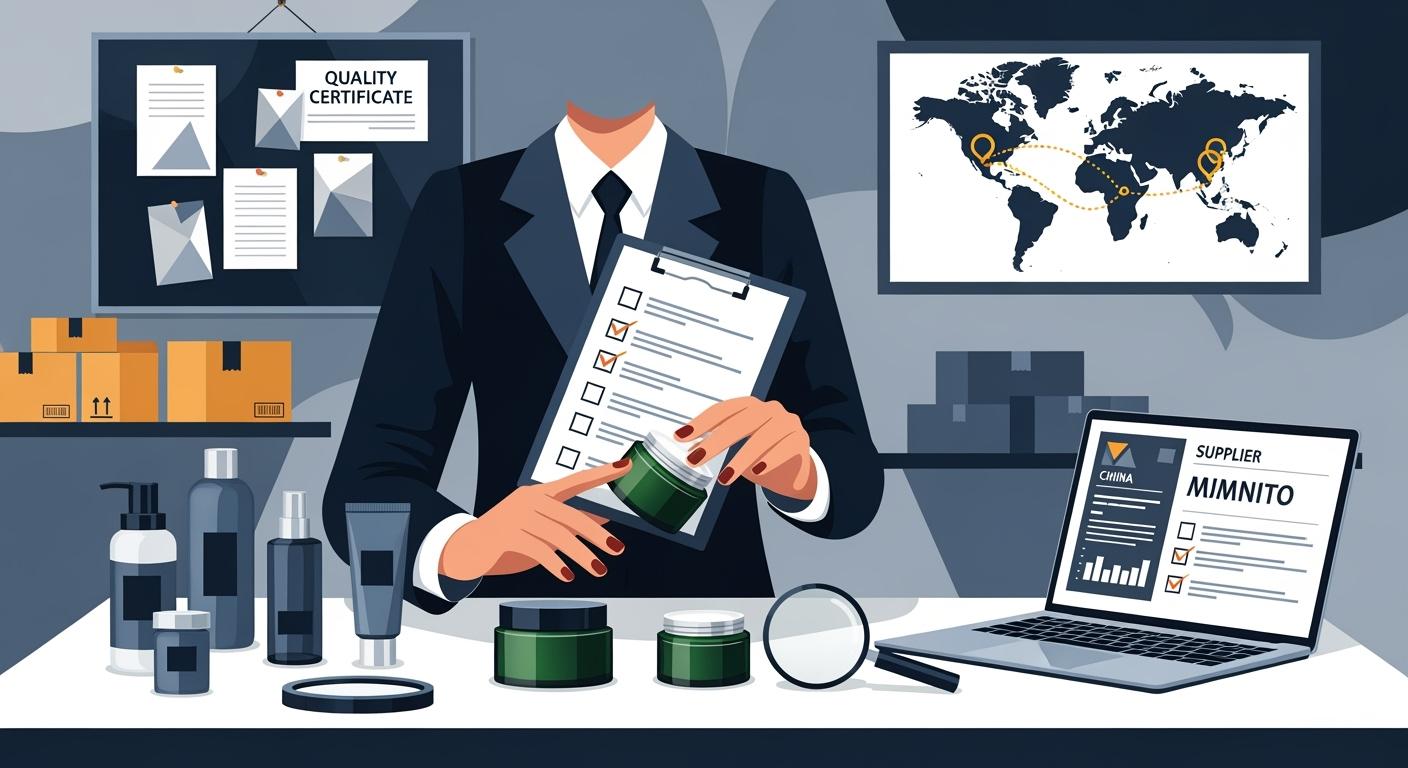
A buyer can return from a visit with many photographs and a positive impression but no clear answer to an order-specific question. The follow-up record turns those observations into decisions. This article concerns the review after the visit, not a universal scorecard claiming that a certain factory size, machine count or certificate guarantees product quality.
Define the visit scope in the record
Identify the site, date, participants and operations reviewed. State whether the work was a commercial visit, technical review or formal audit under an agreed procedure. Those purposes are different. Do not describe a sales tour as a certified audit or assume permission to share photographs beyond their authorised scope.
Connect the visit to the selected packaging and quotation. The supplier selection discussion frames the broader enquiry. The follow-up should state which product route was actually examined and which sourced parts or outside activities remain to be confirmed.
Separate observation, explanation and interpretation
Record what the reviewer saw in factual terms. Keep the supplier’s explanation alongside it, labelled as that explanation. Add the responsible reviewer’s interpretation separately. A photograph of a packing station can show an operation; it cannot independently establish every quantity, inspection decision or component identity for the intended order.
If a record was presented, identify its sample or lot scope rather than copying its conclusion into the whole project. Where an activity could not be observed, state that openly. The absence of a demonstration is a question to resolve, not evidence that the activity is either approved or impossible.
Create an action list with closure evidence
Give each open point an identifier, responsible party and the decision it affects. Ask for the specific document, sample or explanation needed. A request to improve quality is too broad to close consistently. A request to identify the quoted pump version and its assembly scope gives the supplier a concrete response to prepare.
| Follow-up field | Information to preserve | Review purpose |
|---|---|---|
| Observation | What was seen and where | Factual starting point |
| Order relevance | Affected component or operation | Scope of the purchasing question |
| Action | Specific response required | Usable supplier request |
| Evidence | Record, revision or sample identity | Basis for closure |
| Decision | Accepted, pending or further review | Release limitation |
Review documents at their actual scope
For a certificate, verify the identity, site, scope and relevant dates through the appropriate source. For a test record, identify the actual configuration and method. Do not treat one document as a blanket approval for every bottle and cosmetic formula. The supplier document guide makes those distinctions explicit.
Keep missing or ambiguous documents on the action list. A supplier logo or a familiar testing organisation’s name is not the underlying evidence. The responsible buyer team should determine whether the response answers the order’s requirement and what remains open; this article does not issue a compliance opinion.
Close actions by evidence, not by promised improvement
A supplier’s commitment to address an observation is progress but not completion. Record the proposed correction, affected scope and evidence submitted afterward. If effectiveness needs a representative demonstration or further review, state who performs it and what outcome permits closure.
Preserve the original finding even after acceptance. It explains why the follow-up was needed and supports later comparisons. Do not edit a failed observation into a pass simply because a commercial conversation reached agreement. Keep any accepted limitation visible in the record.
Distinguish immediate containment from longer-term action
A disputed component lot may need holding while the supplier reviews its source or inspection. That immediate status is separate from a longer-term process change. The action list should identify both where relevant. Closing the containment step does not automatically prove that future production uses the corrected control.
For an illustrative scenario, a visit might reveal that the quoted decoration route includes a specialist outside the visited site. Request the operation scope and traceable handoff rather than labelling all decoration in-house. This is a hypothetical review example, not an Oulete audit finding.
Connect follow-up to samples and purchase release
Identify which open actions affect sampling, technical approval or the commercial order. Some information may support shortlisting while leaving a production decision pending. The sample approval record should retain the assembly and evidence scope, not simply a general supplier-visit pass.
Cosmetic companies need the accepted configuration; fillers need the relevant supplied-state and line information; wholesalers need a product record that does not overstate the visit’s evidence. Assign the responsible reviewers rather than assuming one visitor can approve every specialised question.
Keep the next review focused
When the supplier responds, compare it with the exact open question and requested evidence. A new brochure may be useful context but not close a missing component revision. If the response changes the proposal, record that change and decide what approval work follows. Do not add unrelated requirements simply because more information is available.
Retain a dated summary of closed and pending actions with the current quotation. Send the relevant component brief and scoped questions through the packaging enquiry page. Oulete’s MOQ is 10,000 pieces for glass packaging and cosmetic tubes, and 5,000 for plastic airless and plastic lotion bottles. A visit does not alter those commercial baselines or replace a project-specific offer.
Frequently Asked Questions
Does a site visit approve every catalog product?
No. Preserve the reviewed operations and order-specific evidence scope.
Is a promised corrective action closed?
Not until the required response and evidence have been reviewed under the agreed closure route.
Can a visit photograph be published freely?
Use only the permission and context agreed with its owner. A private visit record is not automatically a public marketing asset.