



Quick Answer
For a double-wall airless bottle, identify how the decorative shell, inner container and dispenser are retained before deciding whether movement is acceptable. Record which parts move relative to each other during instructed handling. An external gap or rattle does not by itself prove a leak; a clean appearance does not prove secure retention. Agree the assembly-specific checks and acceptance decision with the supplier and filler.
A cosmetics company may approve a substantial-looking bottle, then find that a later sample feels different when its overcap is removed. Purchasing needs a precise description of that difference. Calling the whole bottle loose can send the supplier toward the wrong interface. This guide addresses the shell-to-inner-container relationship, not a ranking of acrylic against PP or a universal explanation of airless mechanisms.
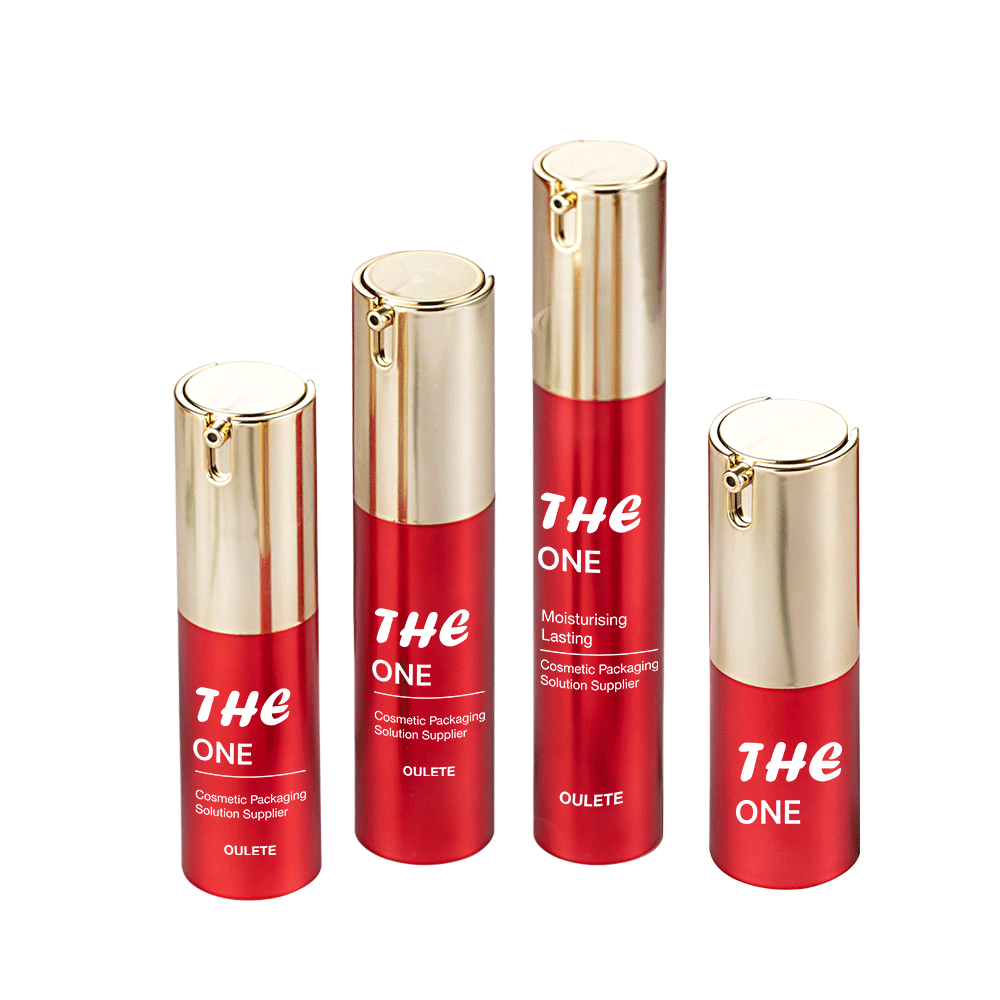
Identify the Construction Before Handling Samples
Request the selected assembly drawing or supplier explanation showing the shell, inner container, neck region, base and fitted dispenser. Ask which features locate and retain each part. A clear exterior does not establish the inner material or how the pack is assembled. Keep unknown features as questions rather than assuming an adhesive, snap fit or threaded connection from a photograph.
Confirm whether the sample is complete, an appearance mock-up or a partly assembled development pack. A provisional sample can help discuss shape without representing production retention. Record that limitation before several teams circulate it as the approved standard. The acrylic airless bottle range provides a visual shortlist; the selected component references define the assembly to evaluate.
Separate the Moving Interfaces
| Observation | What to identify | Do not infer automatically |
|---|---|---|
| Overcap moves during removal | Cap relative to dispenser and body | Inner-container retention has failed |
| Outer wall turns while inner neck stays still | Shell relative to the inner assembly | The formula seal is leaking |
| Base shifts or a gap changes | Exact part and instructed assembly state | The feature should be pressed back by hand |
| A sound is heard when handled | Reproducible event and component location | The sound identifies the cause |
Mark reference positions in a way approved for the development sample, without contaminating product-contact surfaces or interfering with a joint. A short video can show which surfaces were held and which operation produced the movement. Keep the untouched comparison sample identifiable. Avoid pulling apart the only failed sample before the investigation owner decides what evidence is needed.
Compare the Intended Handling Sequence
Use the supplier’s instructions for cap removal, actuation and any supported assembly operation. Record the supplied state and whether the bottle is empty or filled with the agreed trial contents. The filler may support the inner neck during assembly while a consumer holds the decorative wall; those contact arrangements answer different questions. Do not apply an improvised twisting or impact challenge and label its result a standard test.
Observe the pack before handling, after the relevant operation and after agreed line handling. Identify any change in gap, alignment, sound or relative position. State the observation without claiming a cause. The responsible technical team can then decide whether to examine retention, geometry, assembly history or another factor.
Keep Appearance, Retention and Formula Performance Separate
A visible seam may be an intentional feature of the design. Whether its position is acceptable belongs in the appearance reference. Whether the parts remain retained during intended handling requires its own evidence. Formula-contact and dispensing decisions also require the actual inner container, pump and contents; shell appearance does not settle them.
Use the sample approval checklist to keep those decisions separate. Record what was evaluated, the sample identity and the unresolved questions. Do not repair a development sample with unapproved glue or pressure and treat that as the production assembly.
An Illustrative Review Decision
Suppose an appearance sample and a production-intent sample share the same shell shape but have different internal retention references. Reviewers should not transfer the earlier approval to the later assembly merely because the exterior matches. Compare the intended configuration, repeat the affected handling checks and document the accepted version. This is a hypothetical workflow, not a reported Oulete test result.
What Purchasing Should Send
Provide the complete model and component revisions, sample status, filled or empty condition, handling sequence and a clear record of the moving interface. Ask who reviews the observation and which evidence closes the decision. Wholesalers should pass the accepted configuration to customers instead of promising that every bottle in a similar-looking family behaves identically.
Discuss the selected assembly with Oulete before ordering. Plastic airless bottles start at 5,000 units; glass containers and cosmetic tubes start at 10,000. These minimums do not establish availability of every double-wall construction or approval of a particular retention design.