



Quick Answer
Define what arrives at the filling site before calling a serum container ready to fill. Identify the body, closure, protective packing and any agreed preparation with its evidence. A clean-looking photograph, a sealed shipping bag or the word vial does not establish sterility, pharmaceutical suitability or an approved filling process.
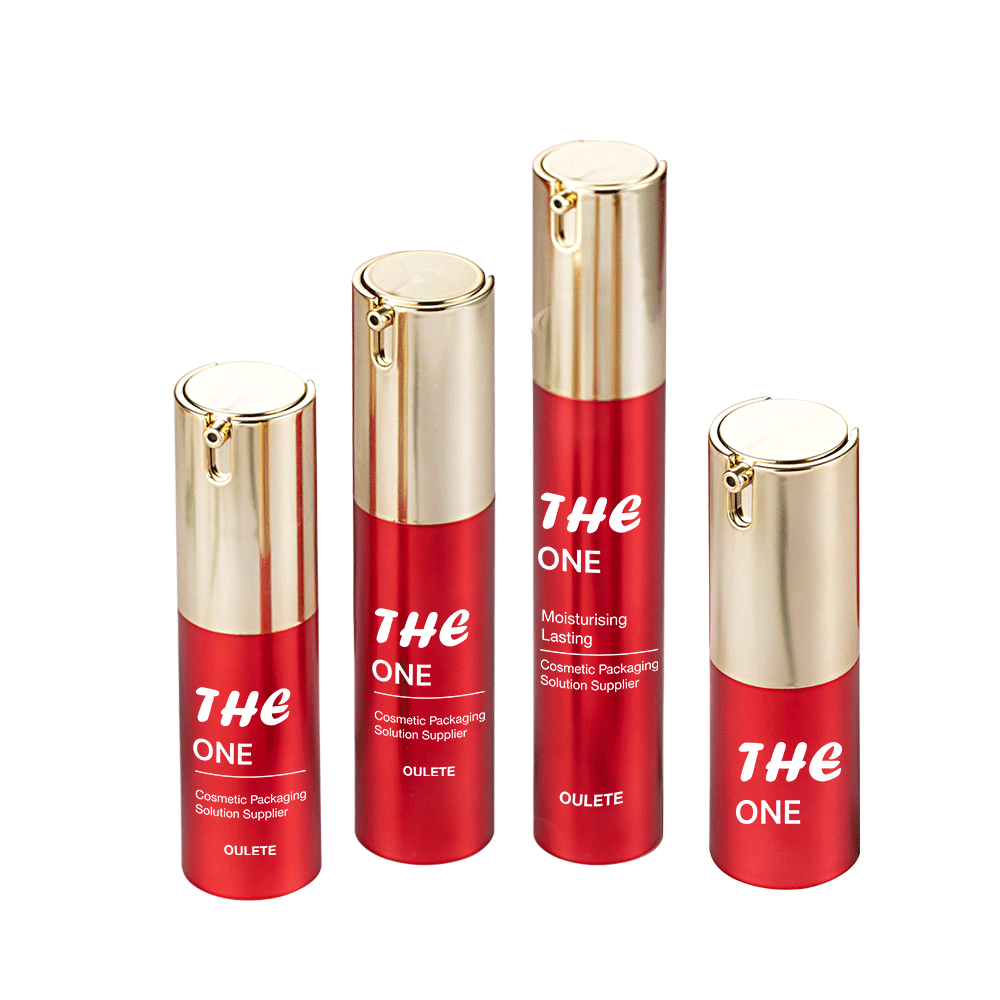
A brand’s brief says ready-to-fill vials, while the supplier plans to ship ordinary empty containers protected for transport. The filler expects a documented preparation state that has never been agreed. The gap is a missing supply definition. Resolve it before ordering rather than asking receiving staff to infer the intended process from the packaging appearance.
Identify the intended cosmetic use
State the product category, proposed fill and intended dispensing or opening action. Avoid borrowing pharmaceutical language to make a cosmetic pack sound premium. If a project has specialised preparation or product-classification requirements, the responsible specialists must establish them and confirm whether the proposed suppliers can meet them.
This guide does not offer sterile manufacture, aseptic filling, pharmaceutical certification or a validated treatment service. Those claims require specific evidence and scope. Do not transfer them from another vendor’s literature to an Oulete quotation or assume that a glass body alone establishes the required condition.
Name the physical configuration
Identify the container model, material proposal, closure and any insert, applicator or seal. State which parts arrive fitted and which arrive separately. A loose dropper and a capped body create different handling tasks from a complete closed assembly. Keep current drawings and component references with the brief.
The dropper bottle range can help shortlist cosmetic formats. It does not establish that every model is a vial or suits a specialised filling requirement. Ask for the actual matched proposal and available documentation before assigning it a product-specific qualification.
Describe protection without overstating it
Record how openings and formula-contact parts are protected during shipment and handling. Identify inner packing, carton arrangement and who removes each protective layer. An intact bag shows its observed condition, not an unperformed cleanliness or microbiological result. Preserve the distinction between a physical protection description and a validated preparation claim.
Ask whether supplier inspection or sampling changes the packed state. If an inner pack has been opened, retain that history and the agreed disposition. Do not silently reseal it and describe it as untouched. Receiving teams need to know which stock remains in the originally supplied condition.
Give preparation decisions to the responsible filler
The filler should review the proposed received condition against its actual process. It may need additional supplier information before deciding what preparation is appropriate. Do not prescribe washing, heating, irradiation or chemical treatment from a general blog article. Such operations can affect materials and require qualified assessment for the actual configuration.
Keep responsibility explicit if another provider performs an agreed operation before delivery. Identify the input parts, treated output, evidence, packing after treatment and the party releasing it. A general factory certificate cannot replace records for a particular operation on the supplied components.
Connect receiving to the filling handoff
Receiving should reconcile component identity, lot, packing condition and any agreed documents. Hold unexplained discrepancies for assessment instead of substituting another similar-looking container. The filling team needs the same configuration and condition that its trial plan assumes, not merely the correct nominal capacity.
Record storage and opening history between receipt and filling. If a delay or handling event changes that history, the responsible team should decide what recheck is needed. A previous supplier sample does not prove the condition of stock that has since been opened, repacked or held under different arrangements.
Use a trial to close the actual interfaces
Agree a trial with representative containers, the actual formula and the intended closing route. Record the supplied state, any preparation, filling and closing steps, observations and acceptance scope. Keep a successful dispensing result separate from material compatibility, stability and microbiological decisions. No universal preservation or shelf-life claim follows from one trial.
A hypothetical project may discover that a protective insert must be removed before the filling nozzle can enter. The useful correction is a controlled handling sequence with assigned responsibility, not an undocumented change made at the line. Connect the revised sequence to the approval record.
Request a scoped proposal
Send the intended use, component configuration, desired supplied condition and open preparation questions through the packaging enquiry page. Ask which requirements can actually be supported and which need another qualified provider. Oulete’s glass-packaging MOQ is 10,000 pieces; this is not a promise of a specialised vial treatment or filling service.
Connect outstanding evidence and filler decisions to the milestone plan. Do not schedule production release on the assumption that ready-to-fill has one shared meaning.
Does a sealed bag establish sterility?
No. It describes a visible packing state, not the evidence required for a sterile claim.
Who decides whether further preparation is needed?
The responsible filling and product specialists must review the actual supplied condition and applicable project requirements.