


Quick Answer
For loose mist pumps, agree the dip-tube condition and protection expected at receiving before filler assembly. Record the pump and tube references, supplied length or cutting responsibility, and any visible change before fitting. A tube that appears bent in a bag is an observation to assess against the specified construction, not an automatic diagnosis of poor pickup.
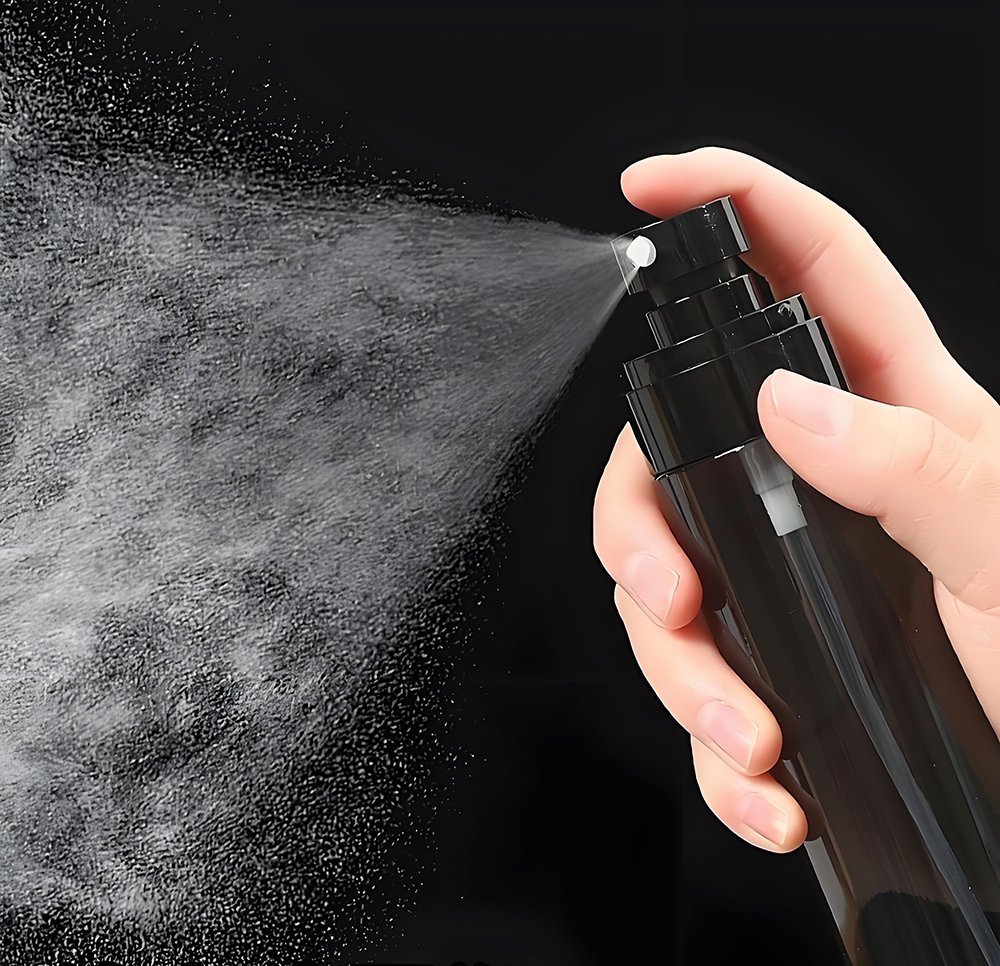
Loose sprayers can arrive separately from the bottles they will eventually close. Purchasing may count the correct number of pumps while the filler still needs to resolve the condition of their long projecting tubes. The handoff should explain what is supplied, what may be handled and which operation remains with the filler.
Identify the supplied tube configuration
Request the pump reference and the specified dip tube, including its relevant material and geometry information. Distinguish total tube length from fitted extension after insertion into the pump. Ask the drawing to identify the reference points used. A length quoted without those references can mean something different to the pump supplier and filler.
State whether tubes arrive attached, separate, cut to an accepted length or left for a defined later operation. Identify who performs and verifies any cutting. A demonstration sample already fitted to a bottle does not establish the production delivery scope. Keep that scope on the quotation and receiving instructions.
Agree what receiving should observe
Have the supplier define the expected as-delivered condition and any permitted variation. Record relevant visible bends, flattened areas, kinks, detached tubes or uncertain ends before changing them. A flexible tube may not be specified as perfectly straight, and appearance alone cannot decide its suitability.
Keep the pump and tube lot identities with observations. Record where the condition occurs in the package and how the unit was unpacked. Do not straighten, trim or replace a part before preserving the original evidence. If a correction is proposed, have the responsible supplier define whether it is permitted and how the revised unit will be assessed.
| Handoff field | Record | Unresolved assumption to avoid |
|---|---|---|
| Tube identity | Component reference, fitted relationship and material specification | Every clear tube is equivalent |
| Delivered state | Attached or separate; cut or awaiting an agreed operation | The sample state equals the production supply |
| Packing condition | Inner arrangement and observed contact locations | A closed carton proves every tube is acceptable |
| Fitted review | Matched bottle and actual agreed configuration | A visual receiving check proves pickup performance |
Connect protection with the unpacking route
Request a representative packing arrangement for the actual components, not only a photograph of a different pump capacity. Identify how projecting tubes are positioned and what contact they may experience. The supplier and filler should agree the relevant protection and handling requirements without treating one universal bag or carton method as suitable for every design.
Ask the filler how parts move from receipt to assembly. Temporary storage, separation into smaller containers and presentation to the line can create handling questions beyond the export carton. Record any repacking responsibility and preserve the component identities. Do not imply that a particular handling route sterilises or qualifies the parts.
Review the fitted path separately
Receiving condition and fitted pickup are related questions but not the same decision. A tube may meet its as-delivered reference and still need a matched-bottle review. Internal shoulders, the base profile, fitted length and intended pickup point belong in that assessment. Use actual assembly information rather than outside bottle height alone.
Have the responsible teams define how the selected pump will be evaluated with the intended contents and fill stages. This guide gives no universal clearance or instruction to cut the end at a particular angle. A changed cut or length creates a revised configuration that must remain traceable. The sample approval record can connect the delivered part and fitted trial.
Keep shortages and condition holds distinct
Record quantity received, quantity inspected and quantity accepted according to the agreed process. Pumps held because their tube condition is unresolved should remain distinguishable from confirmed usable stock. Counting a carton as received cannot automatically allocate all of its contents to the filling job.
Wholesalers breaking bulk should retain the selected component description and any agreed packing requirements. If the tube is replaced or trimmed for a different bottle, do not continue selling the revised assembly under an unchanged fitted reference. Ask for a clearly identified proposal and scope before reallocating parts.
Illustrative receiving question
Imagine a filler receives loose sprayers and observes a curved tube on some samples. This is hypothetical, not a shipment report. The team records the original condition and asks the supplier whether the tube shape is within the specified delivery reference. It does not immediately cut the tubes or declare a failure.
If the supplier proposes a controlled follow-up, use the matched bottle and identify the samples through assembly and pickup review. Keep the receiving observation distinct from the functional result. A lotion pump bottle proposal is another format-specific starting point, not evidence that its tube can replace the mist pump’s part.
Buyer questions
Is every curved tube defective?
No conclusion follows from appearance alone. Compare it with the selected component specification and agreed evaluation.
Can the filler trim all tubes to one length?
Only an agreed model-specific cutting and verification route should define that operation. Different bottle configurations need their own fitted references.
What should the enquiry include?
Send pump and bottle codes, tube reference, delivery scope, proposed packing and filler operations through the packaging enquiry page. Keep receiving acceptance and formula-filled performance decisions separate.