


Quick Answer
A PETG cosmetic bottle weight is useful only when the weighed configuration is defined. Separate the bare body, decorated body, empty assembled pack and filled pack. When interpreting a fill-weight check, subtract a tare that represents the same non-product components. A heavier bottle does not by itself prove better compatibility, strength or luxury appeal.
Procurement receives two bottles described as the same size. One supplier quotes the body weight; another provides a bottle with a fitted pump and cap on the balance. Their figures cannot establish which body uses more material, and neither figure alone gives the filler a reliable basis for checking product quantity.
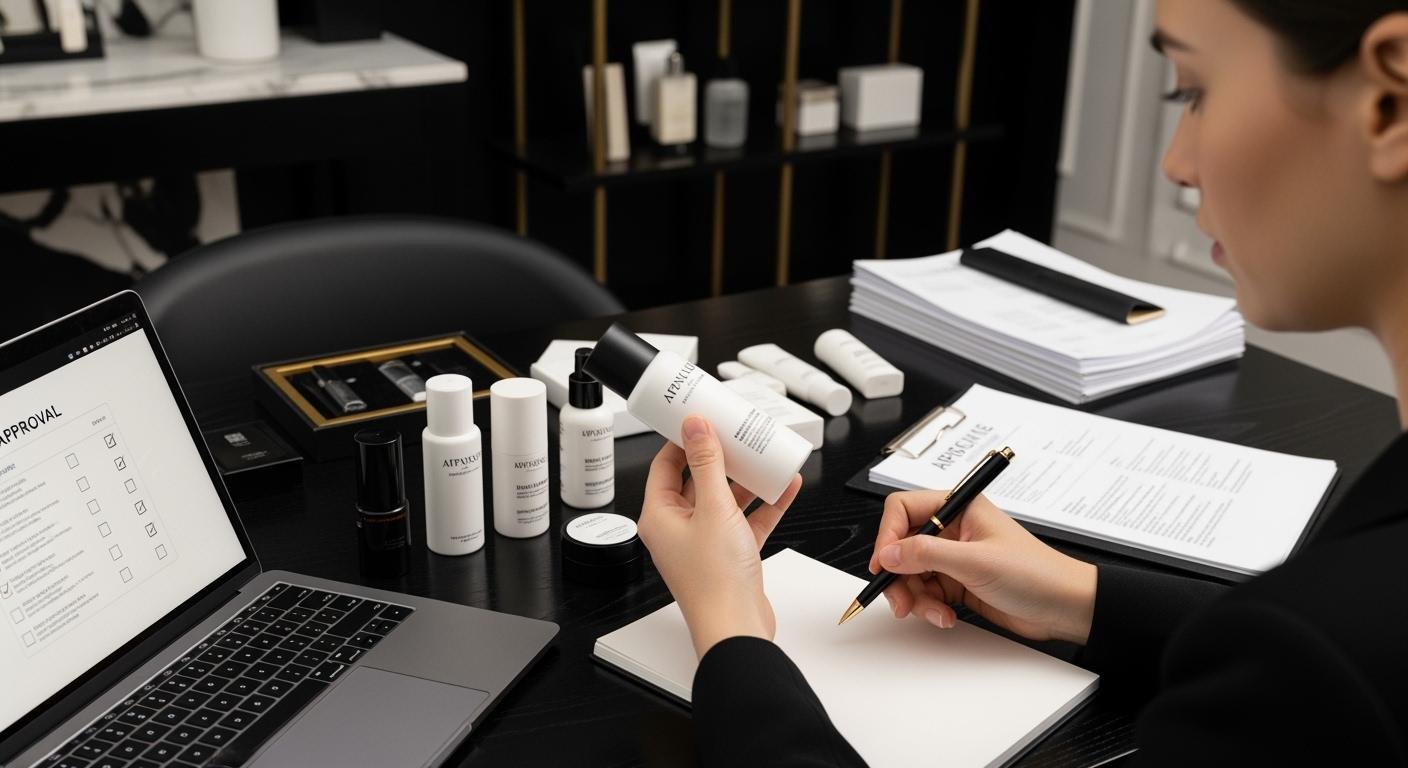
Name the configuration before comparing numbers
Identify the body code, material specification and drawing revision beside its mass. State whether decoration, inserts, labels or removable protection are present. Record units explicitly. A catalogue value may support an early comparison, but ask whether it is nominal information, an individual measurement or an agreed production requirement.
Next identify the empty assembly. A pump, collar, dip tube, liner and overcap can add non-product mass. The components present on the receiving scale may differ from those present at the filling station or finished-pack check. Use a configuration list rather than the ambiguous phrase bottle weight.
The lotion bottle and pump range provides a starting point for a complete-pack enquiry. Ask for the selected body and pump references together; a photograph does not disclose their individual masses or the approved tare.
Keep the weight fields separate
| Weight field | Define what is present | Purchasing use |
|---|---|---|
| Bare body | Identified moulded bottle without added components | Body specification and comparison |
| Decorated body | Same body with specified coating, printing or label state | Decoration-stage comparison |
| Empty complete pack | Listed body, closure and dispensing components | Configuration-specific tare reference |
| Filled pack | Product plus the identified components actually weighed | Matched fill-trial calculation |
| Shipping gross weight | Components plus the defined transport packaging | Freight planning, not product-fill calculation |
Make the tare match the observation
Tare is the non-product mass excluded when estimating the contents from a gross measurement. Ask the filler which operation the measurement supports and which components are on the balance at that moment. An open filled body and a capped finished pack require different component accounting.
In a controlled individual trial, the team may weigh an identified empty configuration and then its corresponding filled configuration. Alternatively, a production method may use a justified reference tare. The responsible filling and quality teams must define the method, its treatment of component variation and the limits of the resulting decision. This article does not set a legal fill-control procedure.
Do not change the tare silently when a pump or cap is installed after filling. If the finished measurement includes that part, account for it explicitly. If a trial sample loses a protective sleeve before the second weighing, record the change rather than treating the missing sleeve as reduced product mass.
Use an arithmetic example carefully
Consider a hypothetical training exercise. An identified empty decorated body weighs 18 g and the same body after filling weighs 48 g. With no other configuration change, the arithmetic difference is 30 g of added mass. If a 7 g closure assembly is then fitted, the finished pack reads 55 g; subtracting the original body-only 18 g now gives 37 g, not the product mass.
These invented figures are not Oulete specifications, tolerances or fill recommendations. Their purpose is to expose a mismatched subtraction. The correct interpretation depends on the actual configuration, measurement method and instrument controls. A plausible-looking answer does not correct an incomplete component list.
Also keep grams distinct from millilitres. Converting measured product mass to volume requires the actual formula density at stated conditions. A bottle described as 30 ml is not a 30 g empty bottle and does not establish a 30 g target for every formula.
Review variation without guessing its cause
Retain individual results when comparing bottles from different lots or drawing revisions. Record sample identity, decoration state, balance identification and the conditions specified by the measurement procedure. Do not mix body-only observations with assembled-pack results in a single average.
If the measured mass changes, first establish what changed in the supplied configuration. A different collar, overcap or coating can affect the result without a change in the bottle body. Conversely, equal total weights do not prove identical wall distribution, geometry or material. Request the relevant dimensional and material evidence rather than diagnosing quality from one mass figure.
A lightweighting proposal needs its own performance evaluation. Do not approve a thinner or different body solely because the scale shows the expected saving. Filling-line support, assembly, formula compatibility and distribution requirements remain separate questions for the actual revised pack.
Give each team the field it needs
The supplier should identify the quoted configuration and explain its nominal and controlled weight information. The filler should define its tare and quantity-check method. Procurement should keep the approved references together with the sample approval record. Wholesalers should distinguish catalogue information from a customer-approved filling specification.
For a plastic lotion bottle project, Oulete’s MOQ starts at 5,000 pieces. Ask how the selected body, colour, decoration and pump affect the written offer; the baseline is not a separate component quotation. Use the packaging enquiry page to share the required configuration and unresolved weight fields.
Buyer Questions
Does a heavy PETG bottle establish better protection?
No. Mass alone cannot establish compatibility, light protection or mechanical performance. Request evidence for the intended assembly and use.
Can shipping weight be used as tare?
No. It includes a different scope, often transport packaging and multiple components. Define the actual non-product mass used by the fill-check method.
Should every pump use the same tare?
No. Identify the proposed components and the justified method. Visually similar replacement pumps can change the weighed configuration.