


Quick Answer
If a serum bottle includes a clear window or translucent region, have the formulation team define the light-exposure question for the actual commercial package. Identify the window, finish, closure and outer carton in the study scope. Colour, frosting and an airless mechanism do not by themselves establish light protection, ingredient preservation or shelf life.
Cosmetic companies may want customers to see remaining product, while a formulation brief may call for a protective presentation. Fillers and wholesalers need the approved configuration, not a vague instruction to use UV packaging. This article addresses how to specify the window and evidence request; it does not rank packages for every retinol or active-serum formula.
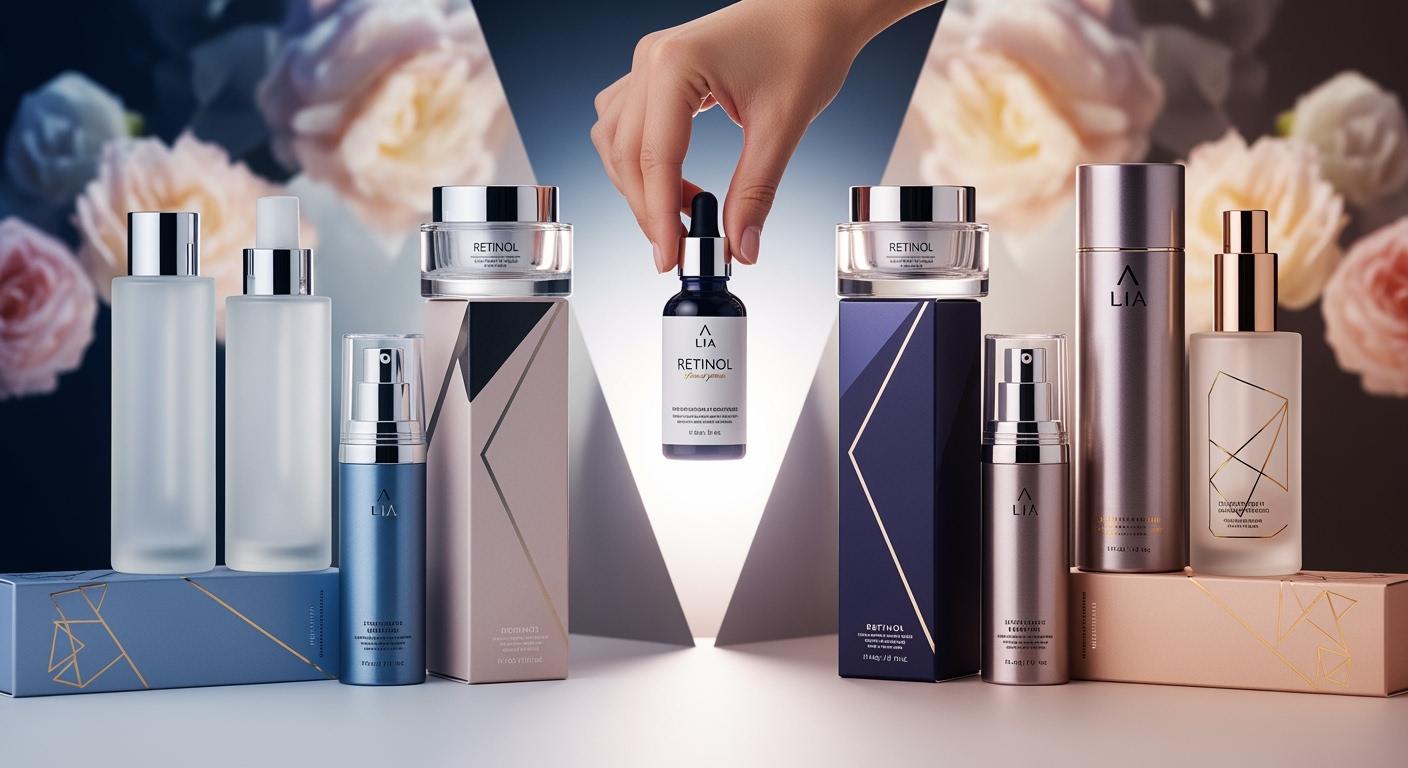
Describe the visibility requirement
Ask the brand what the window is meant to show: remaining fill, formula colour or a design feature. State the useful region and intended viewing condition. A tiny decorative gap and a full-height transparent panel are different proposals, so do not describe both simply as a viewing window.
Record the actual body and finish revisions. Identify which regions are clear, tinted, coated or otherwise proposed. Ask the supplier what those descriptions mean for this component rather than inferring optical performance from a colour name.
Keep the complete assembly in scope. A dispenser, closure or other region may differ from the decorated body. The technical team should decide which parts matter to the intended assessment. An attractive opaque sidewall does not define the entire package’s exposure.
Separate component evidence from product evidence
A material or component transmission report describes the specimen and method it assessed. It does not automatically establish the stability of the serum in the finished commercial pack. Ask the assessor to identify the sample, measured region, relevant conditions and limitations.
Conversely, a filled-product result belongs to the formula, package and study conditions recorded. It should not become a general guarantee for every serum or every decorative colour. Cosmetic companies need to retain the formula code and actual pack identity alongside the result.
The Cosmetics Europe stability-testing guidance treats product-package compatibility as part of the assessment and calls for an appropriate manufacturer-defined programme. It is a starting reference, not a completed result for an Oulete bottle or a universal exposure protocol.
Ask the responsible team to define the study
Give the formulation and assessment team the intended presentation, storage and use information. Ask what exposure conditions and product observations answer the actual question. Do not publish one lamp, duration or temperature as the correct method for every serum.
Identify whether the study compares packages, evaluates one final configuration or investigates a proposed window change. Those purposes need clear references. If several packaging features change simultaneously, the result can compare configurations but may not isolate the effect of the window.
Have the responsible team choose controls and acceptance criteria. An unchanged appearance alone should not be relabelled as complete ingredient-preservation evidence. The team must determine the relevant product measurements and interpretation within its expertise.
Keep the outer carton and use stage visible
A bottle may be stored in its carton before sale and then used outside it. State which stages the assessment addresses rather than assuming the carton covers every exposure. Keep the intended supplied protection and commercial presentation identifiable.
Record whether the sample is full, partly used or otherwise prepared according to the study. Visibility can change as product is consumed. If that stage is relevant, let the assessor define how it is represented. Do not improvise a partly empty test and extend it to an unsupported lifetime claim.
For distribution through wholesalers, communicate the approved packing and any applicable handling instructions. A changed outer carton or window can require review of the study scope. Do not accept a packaging substitution solely because its front photograph looks similar.
Review the trade-off on actual samples
Use physical samples to check whether the proposed window helps users read remaining product as intended. Record any limits of that visual observation. A window may be obscured by artwork, a fitted sleeve or the formula’s appearance; the brand should review the actual combination.
Keep that appearance decision separate from technical protection approval. A preferred visibility design can remain a candidate while the study is unresolved. Do not pressure the assessor to turn a design preference into a passing result to meet a launch date.
If the team proposes a narrower window, another finish or a different package, identify the change and request the affected evidence. Retain the original reference. Avoid claiming that every darker colour is automatically better without an applicable comparison.
Check what supplier documents actually cover
Review report subjects, dates, sample identities and issuing parties. A generic resin document or another supplier’s bottle result may help explain available information but does not qualify the proposed commercial assembly. Record missing evidence clearly.
Ask whether development samples use the intended production process and material. Hand-applied finishes or provisional substrates should remain labelled as such. If the commercial proposal changes, have the responsible team review whether the earlier result remains applicable.
Wholesalers should avoid vague listing claims such as guaranteed UV protection when the scope is unresolved. Describe the actual material and appearance and refer protection requirements to the identified evidence. A catalogue term should not exceed the result it is meant to summarise.
- Visibility purpose and window-region drawing.
- Body, finish, closure and outer-pack references.
- Component evidence and its limitations.
- Formula, study purpose and responsible assessor.
- Accepted configuration and unresolved conditions.
- Change-review triggers and communicated instructions.
Connect the record to the sample approval file. The serum format guide addresses broader dispensing options, while the decoration brief identifies the actual visual proposal.
Plan the order without a protection promise
Oulete’s glass packaging and cosmetic tubes start at 10,000 pieces; plastic airless and plastic lotion bottles start at 5,000 pieces. Confirm special tooling and decoration separately. Send the window drawing and assessment requirements when you request commercial-package samples. The quotation should identify the proposed scope, not guarantee serum potency or shelf life from a package name.