


Skincare jar liners are not interchangeable with every inner disc or peelable seal. A cream jar can look fully closed while its components serve different purposes. Before approving packaging, identify which part contacts the rim, which part is bonded to it, and what the consumer removes on first opening.
Quick Answer
Distinguish a cap liner, a removable inner disc and a bonded inner seal before choosing a cream jar closure. Match the liner or seal to the jar’s rim, material, formula and filling equipment. Validate leakage, attachment and opening on filled samples. A loose inner disc is not automatically airtight or tamper-evident, and packaging alone does not establish shelf life.
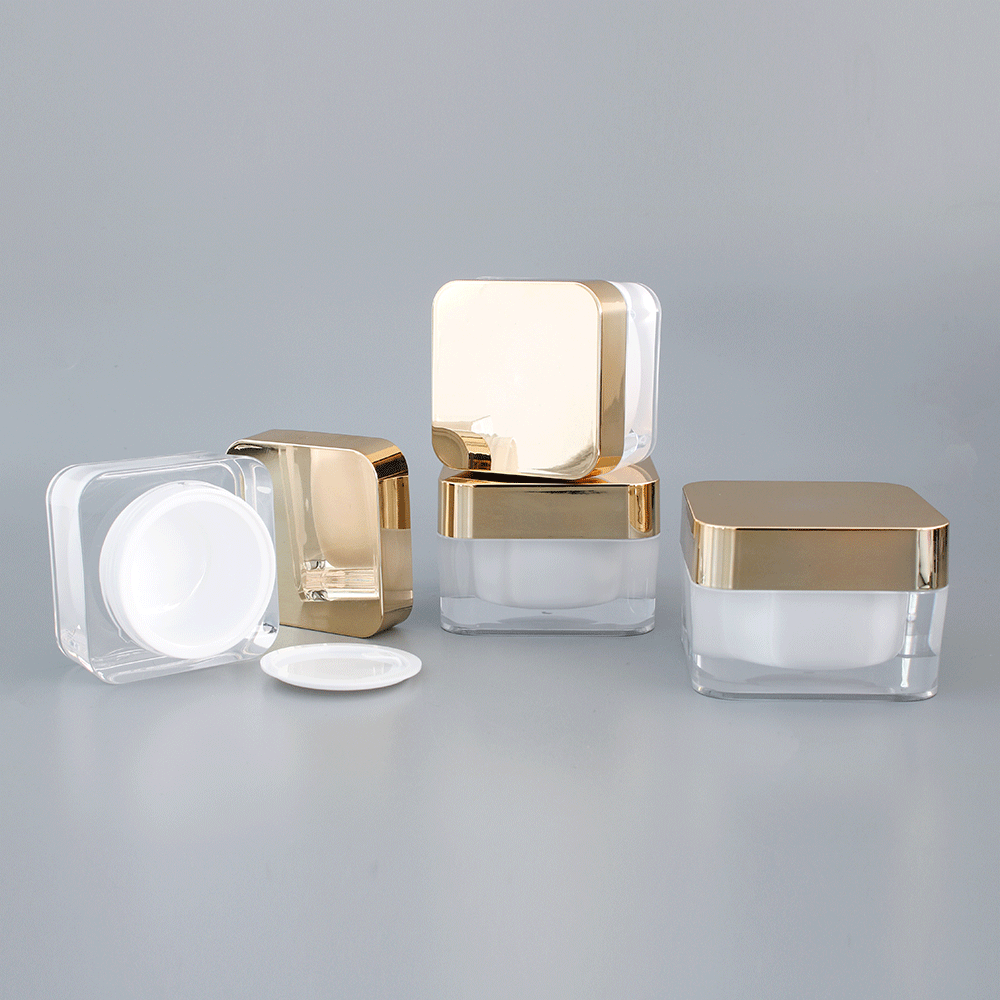
Define the three components correctly
Cap liner: a component inside the cap that may compress against the jar rim when the closure is tightened. Its effectiveness depends on the full closure geometry and assembly conditions, not simply its thickness.
Removable inner disc: a separate cover seated over the jar opening. It can help keep cream away from the lid and provide a tidy presentation, but a loose disc should not be described as a permanent barrier or evidence that a jar has never been opened.
Bonded inner seal: a membrane attached to the rim using a specified sealing process. An induction or heat-sealed system needs a compatible seal layer and approved jar construction. It is not a feature that can be added to any stock jar without testing.
Start with the rim and closure drawing
Ask the supplier to identify the sealing land, closure dimensions and approved component combination. Check whether the cap applies compression evenly, whether the disc is retained as intended, and whether the liner can move or fold during assembly. A matching nominal diameter does not prove a matching sealing surface.
Review surface flatness, visible damage and cleanliness on production-representative samples. Decoration or a change to the outer jar should not be allowed to conceal a change in the contact jar, rim or closure specification. Record the exact component revisions on the approval sheet.
Match the contact layer to the cream
Request specifications for the formula-contact side of the liner or seal, including coatings and adhesives where relevant. Evaluate the actual cream rather than selecting a liner solely because the formula is described as water-based or natural. Oils, fragrance and storage conditions may affect the system differently.
Use filled samples to inspect swelling, softening, discoloration, odor changes, delamination and visible leakage. The brand and its development partners should set compatibility and stability test conditions appropriate to the product. An empty jar fit check cannot substitute for that work.
Agree the sealing process with the filler
If using a bonded seal, have the contract filler confirm equipment suitability and the assembly sequence. Identify how the rim is kept clean, how the cap or sealing fixture is applied, and how acceptable seal attachment will be checked. Do not adopt a generic temperature, dwell time or power setting without validating the actual combination.
For cap liners, agree the closure application conditions and check whether repeated opening changes compression or seating. For removable discs, verify that operators can place them consistently and that consumers can remove them without touching the cream unnecessarily.
Test both protection and first opening
- Inspect filled packs upright, inverted and in the agreed transport orientations.
- Check the rim for an uneven bond, trapped product or damaged sealing surfaces.
- Review pull tabs and opening effort with representative users.
- Check for tearing, sharp edges, residue and loose fragments during removal.
- Evaluate the cap’s resealing function after any one-time membrane is removed.
- Retain approved samples and document visual acceptance criteria.
A bonded membrane can provide a visible first-opening feature when properly designed and validated. It does not certify authenticity, sterility or formula safety. Avoid turning a useful closure feature into an unsupported product claim.
Specify the complete system in your purchase request
Include the jar model, formula, fill level, liner or disc type, seal construction, closure and filling process. Separate packaging responsibilities from formula safety and shelf-life validation. Ask for samples of the exact combination rather than a visually similar jar.
Review Oulete’s skincare jar examples and request a closure and inner-component review. For broader container selection, see the private label cream jar guide; the checks here address the closure interface specifically.
FAQ
Does every inner disc provide tamper evidence?
No. A loose removable disc can be taken out and replaced. Assess the actual first-opening feature rather than making a claim from appearance.
Can one liner be used for every cream jar?
No. Confirm the rim, cap, material and formula combination, then approve filled samples using the intended assembly process.