



Quick Answer
If an agreed tamper-evident feature is opened for inspection, identify that specimen and keep it out of untouched saleable stock unless an authorised disposition says otherwise. Record the original feature, reason for opening, inspector and subsequent state. Do not replace a disturbed feature silently or describe a refitted sample as evidence of its original delivered condition.
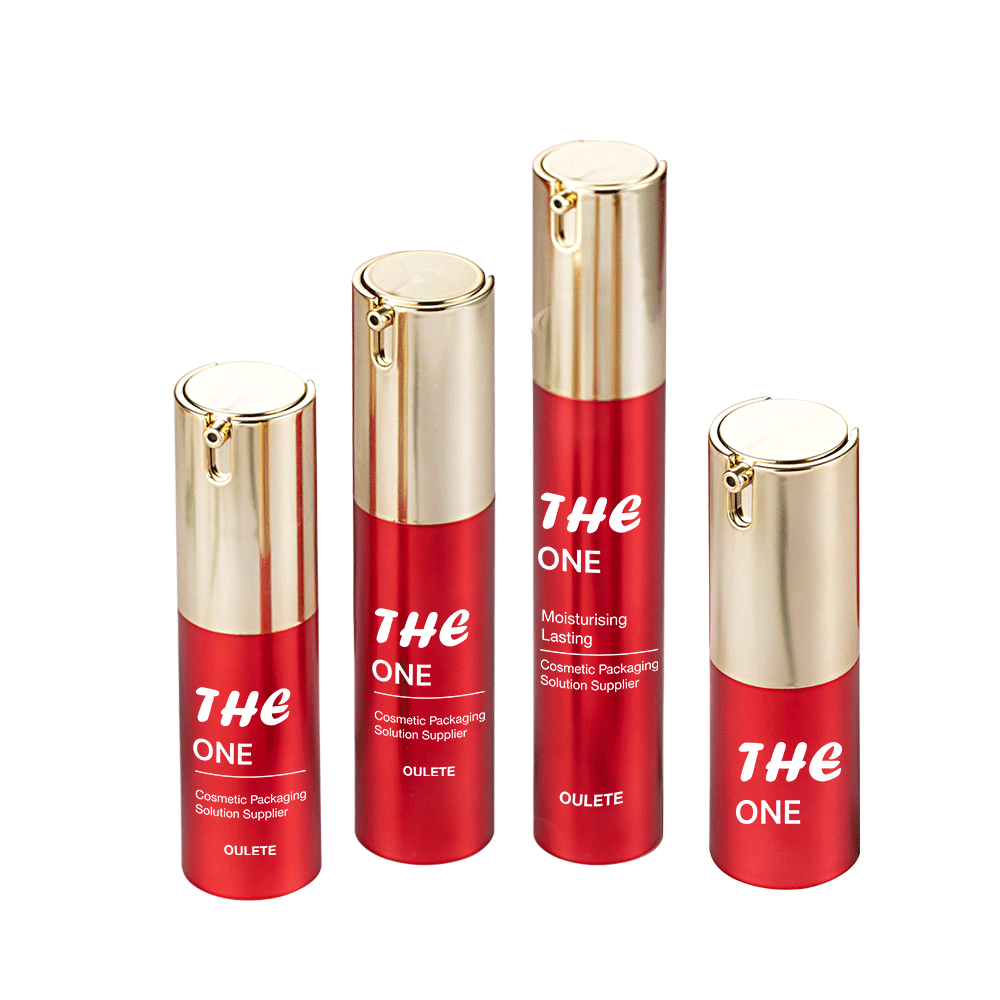
A wholesaler opens a finished pack to check the cap, the filler retains another for investigation, and a sales team requests a display sample. If those units return to the same carton without a status record, the next team may confuse intentionally opened samples with unexplained damage. The practical control is a traceable packout and inspection handoff, not an assumption that all seals look acceptable.
Identify the supplied feature and state
State exactly which feature is included in the ordered configuration and who applies it. Distinguish a container component supplied empty from a feature applied after filling. A bottle supplier’s scope may stop before the final retail presentation exists. Connect the feature reference, artwork where relevant and applied state to the actual packed product.
Do not infer tamper evidence from an ordinary cap, a shrink appearance or an attractive label. The responsible specialists should define what the selected feature is intended to indicate and what evidence supports that purpose. This article supplies a stock-control workflow, not legal qualification, child-resistance approval or proof that a package cannot be accessed.
Agree inspection allocation before opening
Decide which checks require opening and which can be performed on the received closed pack. Allocate specimens by the agreed inspection plan. Record the lot and carton positions before removal. Keep an untouched reference where the investigation plan calls for one, so opening the only available sample does not destroy the evidence needed to review its received state.
Tell the inspection team what to do with opened units. They may be retained, returned for assessment or otherwise handled under the authorised procedure. Do not assume an inspector may restore stock simply because replacement bands or labels are available. The disposition must reflect the finished product and the responsible parties’ requirements.
Record the first alteration
Before opening, describe the visible state and capture a labelled record where useful. Record who opened the specimen, why, and the sequence used. Note whether the feature was already disturbed when received. A sample opened deliberately during inspection should have a different status from a unit received with unexplained damage.
Preserve relevant removed parts if the plan requires them. Keep them linked to the sample rather than mixing fragments from several packs into one bag. If an investigation involves a formula-containing product, have the responsible team establish suitable handling and storage. Do not improvise cleaning or product transfer to make the evidence easier to display.
Use statuses that cannot be mistaken for release
Useful records distinguish received untouched, opened for inspection, held for investigation and authorised disposition. The exact labels belong to the team’s system; the important point is that status remains visible on the specimen and in the stock record. A handwritten approved note without its scope can be interpreted too broadly.
Do not count an opened specimen as available untouched stock merely because it remains physically in the warehouse. Likewise, exclude retained samples from the freely available quantity. Brands, fillers and wholesalers should reconcile their records so the same inspected units are not counted as both retained evidence and saleable inventory.
Handle restoration as a separate proposal
If a party proposes replacing a feature, identify the operation, responsibility and evidence required before any stock disposition. Preserve the original finding first. A replacement can change the sample’s evidential value even if the exterior looks similar. Do not report it as an untouched received unit after the alteration.
For a hypothetical carton check, two packs may be deliberately opened while a third arrives with a damaged feature. Keep three separate histories. The first two support the recorded inspection; the third requires its own assessment. Combining them into one general damaged-seal total would obscure what happened and make responsibility harder to establish.
Connect the finding to release
The release owner should review the affected scope, not just the inspected specimen. Record whether the finding concerns a single handled sample, a defined carton group or an unresolved wider question. Use an agreed investigation and sampling approach rather than extrapolating from one image. No universal acceptance quantity or opening-force limit is proposed here.
Retain the decision with the packaging approval record. If rework or replacement work is authorised, connect its readiness to the milestone plan. Inspection completion is not automatically shipment release.
Clarify the supply boundary
Send the intended supplied state, feature responsibility and inspection questions through the packaging enquiry page. Oulete’s container MOQ is 10,000 for glass packaging and cosmetic tubes, and 5,000 for plastic airless and plastic lotion bottles. These quantities do not establish a tamper-evident component minimum or a filling service.
Can an opened inspection sample go back into stock?
Only under the responsible team’s explicit disposition; do not silently treat it as untouched.
Does replacing a feature restore the original evidence?
No. Preserve the original history and identify the restored state separately.