



Quick Answer
Review overcap removal on the actual matched airless assembly using the intended user action. Record where the user grips, whether the actuator is touched or obstructed, and how the cap is refitted. A cap that looks neat in a display photograph has not automatically been approved for access, retention or protection against unintended actuation.
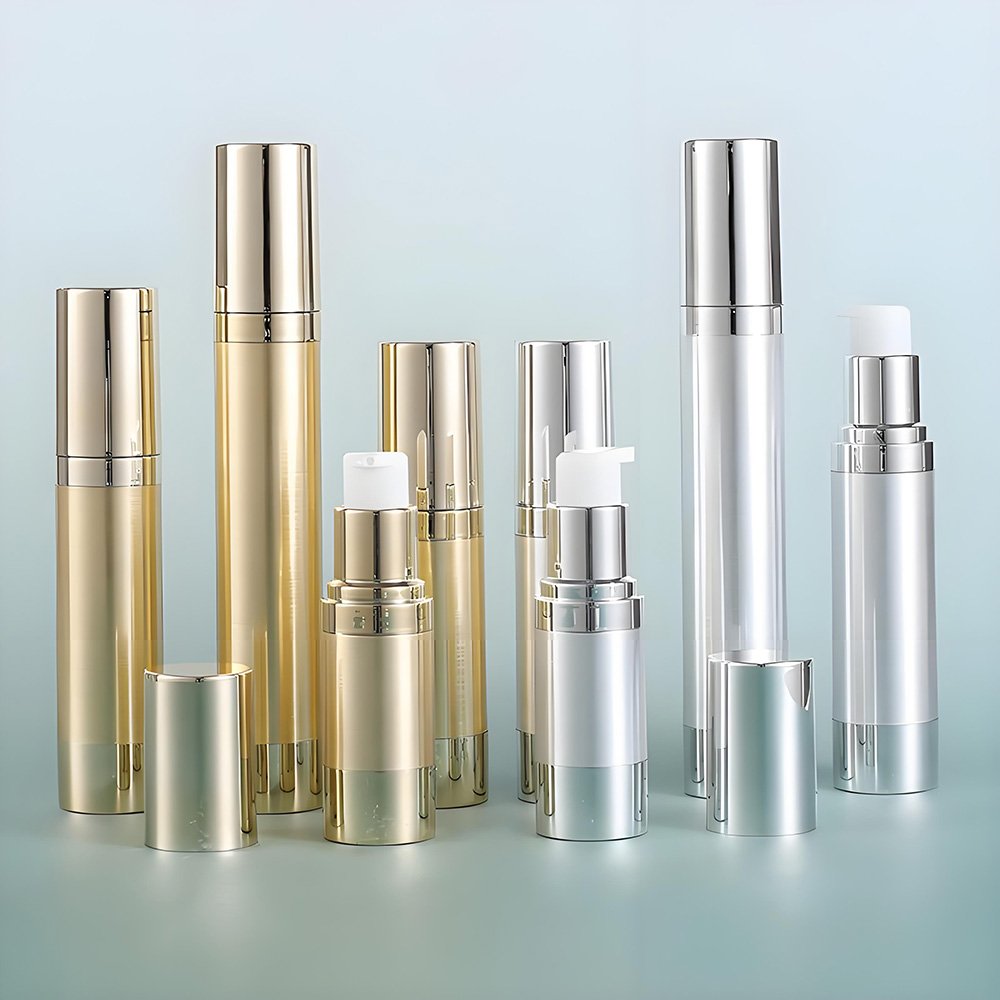
A skincare brand selects a small airless bottle with a smooth overcap. In a later user review, some participants grip the collar while others squeeze the body or pull at an angle. A few touch the actuator during removal. These observations do not establish a failed design by themselves, but they show why a cap proposal should be reviewed as an interaction rather than a decorative accessory.
Identify the cap’s intended role
Ask what the overcap is intended to cover and how it attaches to the selected assembly. Distinguish it from a functional closure, a transport clip or a separate pump-locking arrangement. An overcap should not be assumed to seal the formula reservoir or prevent every possible accidental stroke.
Record the body, pump, actuator, collar and cap references. If an outer shell is present, identify which part the user is expected to hold. The airless bottle range provides candidate formats, but appearance similarity does not establish that caps can be exchanged between models.
State the reviewed pack condition
Use the agreed supplied or intended-use state. Record whether the assembly is empty or filled, whether a transport piece remains fitted and whether the pump has already been used. A display sample with temporary parts should remain labelled as provisional. Do not report it as the final commercial interaction without reviewing those differences.
Keep sample history. Repeatedly removed caps may need a different interpretation from an untouched received specimen. If repeated-use review is relevant, the responsible team should define the sequence and acceptance criteria. This article does not provide a universal pull force, cycle count or retention limit.
Observe grip before coaching
Ask reviewers to follow the intended instructions and record their initial action before extra guidance. Note the grip location, direction of removal, whether the body moves and any contact with the actuator. If the reviewer needs coaching, retain that intervention as part of the record rather than replacing the first observation with the coached success.
Do not force the cap, twist a part not intended to twist or pry at the assembly to complete an informal trial. The supplier’s model-specific instructions and the agreed safe review procedure should control. A difficulty report should identify the sample and action instead of encouraging users to improvise a removal technique.
Separate access from dispensing
Record cap access and intended dispensing as different observations. A reviewer may remove the cap easily but then find the actuator difficult to reach. Another may touch or depress the actuator while handling the cap. Describe the actual event, including whether product was released, without assuming a cause from the motion alone.
If a different cap is proposed, ask whether it changes actuator clearance or other interfaces. A visually improved cap cannot simply replace the original part on an approved pump. Identify the proposed revision and let the responsible teams decide the affected checks before it becomes an order substitution.
Review refitting and the next opening
Observe whether the user can recognise the intended fitted position. Record incomplete seating, unexpected resistance or uncertainty. A cap resting on top for photography may look closed without being in its intended retained state. Preserve the actual observation and confirm the supplier’s definition of the closed presentation.
The brand may include return-to-use observations in its agreed plan. Record how the cap was last refitted and the relevant interval or storage conditions. Do not assume the next opening represents a fresh cap if the sample has been used, dropped or altered. Keep those events visible rather than attributing every difference to the component.
Close the interaction finding
For a hypothetical compact bottle, reviewers may find the intended body grip unclear. The next proposal could involve a clearer instruction or a physical change, but those are different interventions. Keep the original observation, state what changes and review the affected interaction again. Do not claim improved user performance solely from a revised rendering.
Attach accepted references and open items to the sample approval record. Keep sealing, compatibility and distribution decisions separate. Use the milestone plan for any additional sample work.
Prepare a matched enquiry
Send the model, intended user action and cap observations through the packaging enquiry page. Oulete’s plastic airless bottle MOQ is 5,000 pieces; glass packaging and cosmetic tubes start at 10,000. Confirm the selected complete configuration and decoration conditions.
Does an overcap replace a pump lock?
Do not assume so. Ask the supplier to identify the intended function and complete closed-state arrangement.
Can a display sample approve repeated removal?
No. Define representative specimens and the relevant interaction plan before extending the approval.