


ZK26
- Listed capacities
- 10 / 15 / 20 / 30 ml
- Comparison focus
- Compact capacity range
Source airless pump bottles for cosmetic companies, filling factories and packaging wholesalers. Compare PP, acrylic, PCR and refillable options, then confirm the complete bottle and pump with samples. Plastic airless bottle production starts at 5,000 pieces; custom tooling and decoration require project review.
Quick Answer: Choose an airless bottle by intended fill volume, formula behavior, pump output, filling method and decoration requirements. Review the complete assembly, not the bottle body alone. Plastic airless bottle MOQ starts at 5,000 pieces; samples and new-tool development are reviewed separately.
Airless dispensing can reduce repeated exposure of the bulk formula to outside air during use. It does not by itself prove formula compatibility, preservative adequacy, shelf life or complete product evacuation. Confirm these points with the selected packaging and actual formula.
Start with the product families below and ask for current model drawings and samples. Capacity, dimensions, contact materials, pump output and closure details must be confirmed for the selected assembly; not every capacity is available in every family.
For a model shortlist, send: application, fill volume in ml, formula category, target dose, bottle dimensions or reference image, first production quantity and required delivery date. Request a drawing showing the selected capacity and assembly before purchase.
Need help comparing materials? Read our PP vs acrylic airless bottle guide, then request a sample for your actual formula.
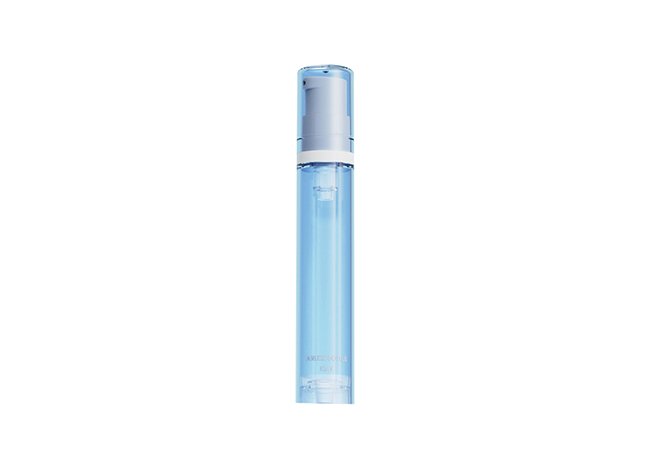
Compare PP airless bottle options for your skincare project. Confirm the bottle, pump, seals and all formula-contact materials on the selected assembly. Request current drawings and test samples before approving colors, print and production.
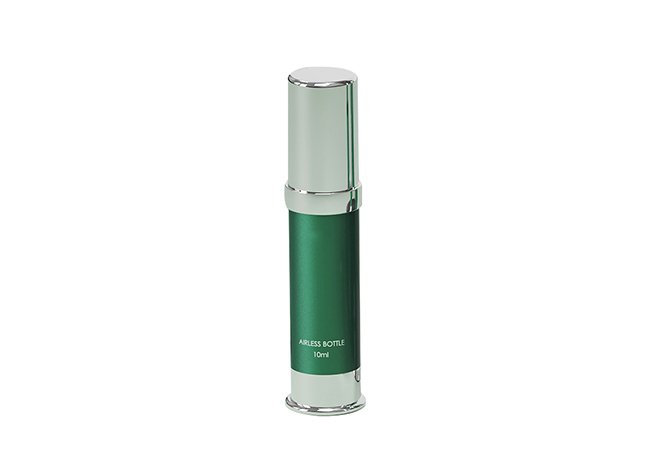
Consider an acrylic outer appearance for a premium skincare line. Confirm the inner container, pump, contact materials and assembled dimensions separately; the outer material alone does not establish formula compatibility. Approve a decorated sample for your selected finish.
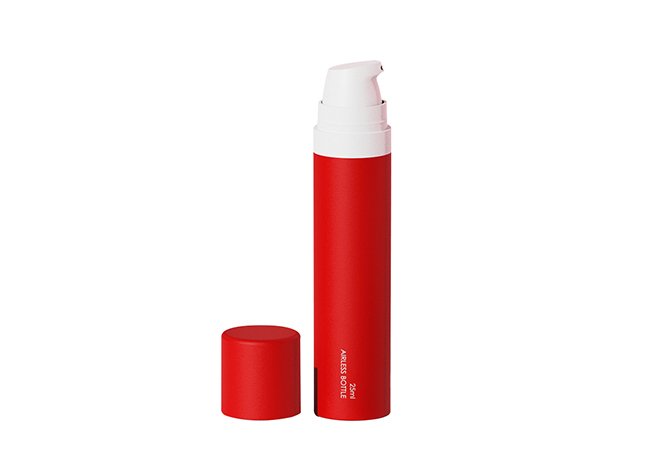
Review PCR options by component and specified recycled content. Confirm resin documentation, color variation and sample appearance, then test the complete assembly with your formula. Recyclability depends on the full pack and the collection system in your target market.
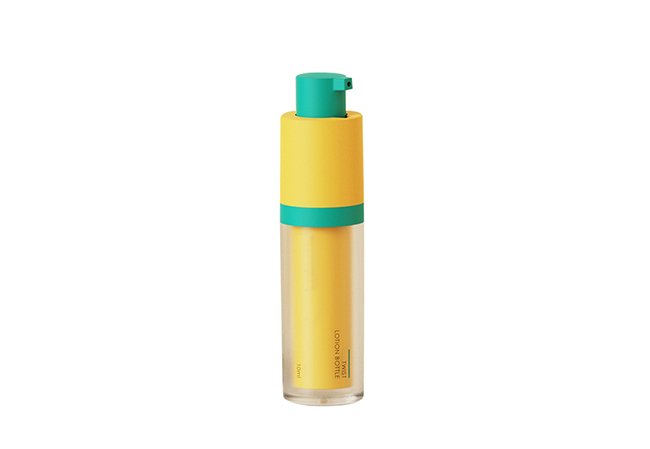
Review a refillable system with a reusable outer pack and a matched replacement container. Confirm which parts are replaced, the assembly procedure and the relevant repeated-use tests. Environmental benefits require evidence for the selected system rather than a general claim.
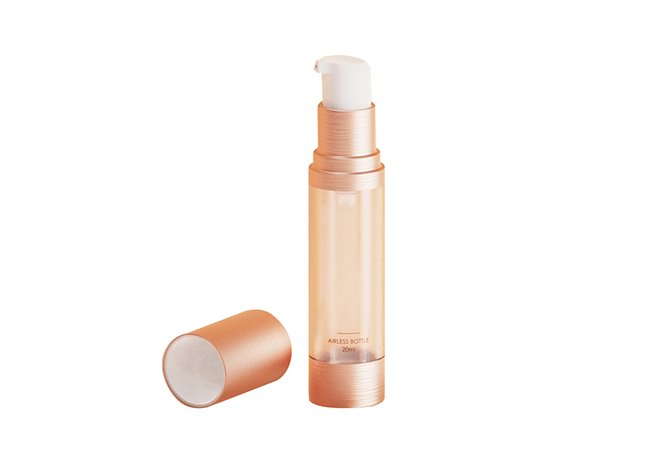
Compare skincare airless packaging for the intended fill volume, formula behavior and dose. Confirm priming, delivery, leakage and filling-line suitability with the complete bottle and pump sample before ordering.
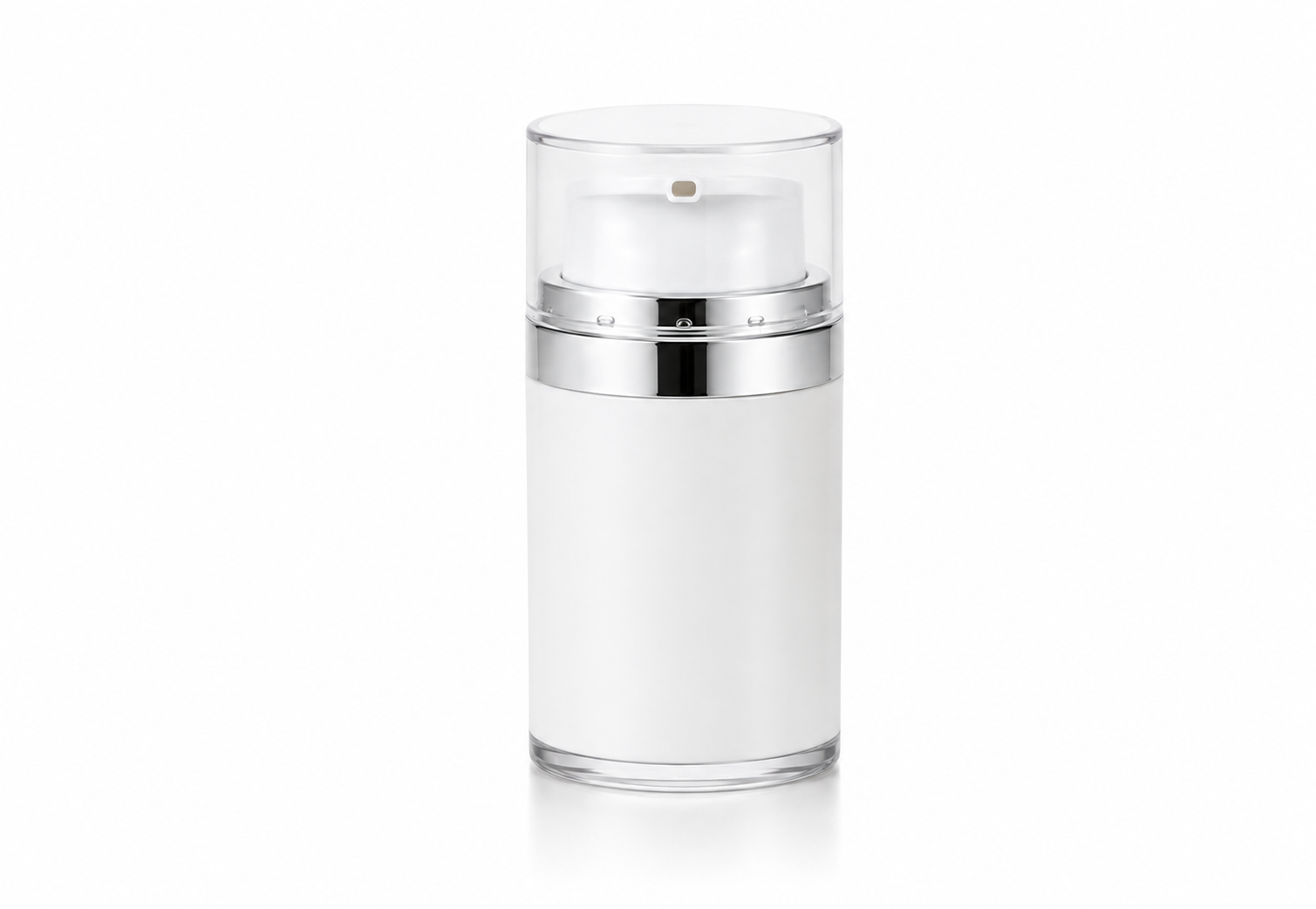
Ask about airless pump jar options for cream or gel applications. Confirm the available model, fill volume, contact materials and dispensing structure. Review the complete filled sample; availability and production terms are confirmed in the quotation.
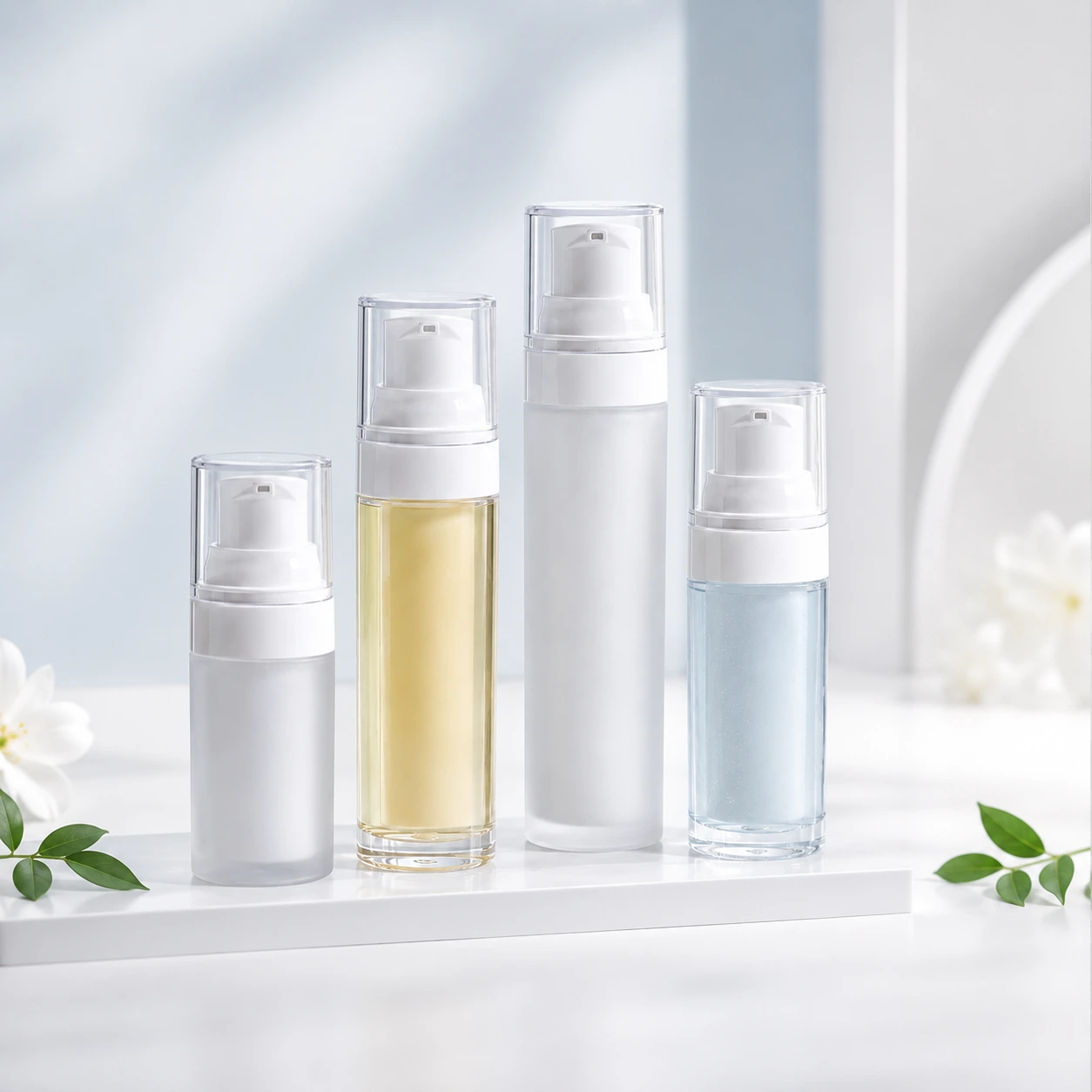
For serums and essences, review contact materials, target dose and priming with the intended formula. Air-sensitive ingredients still require formula stability testing in the selected packaging.
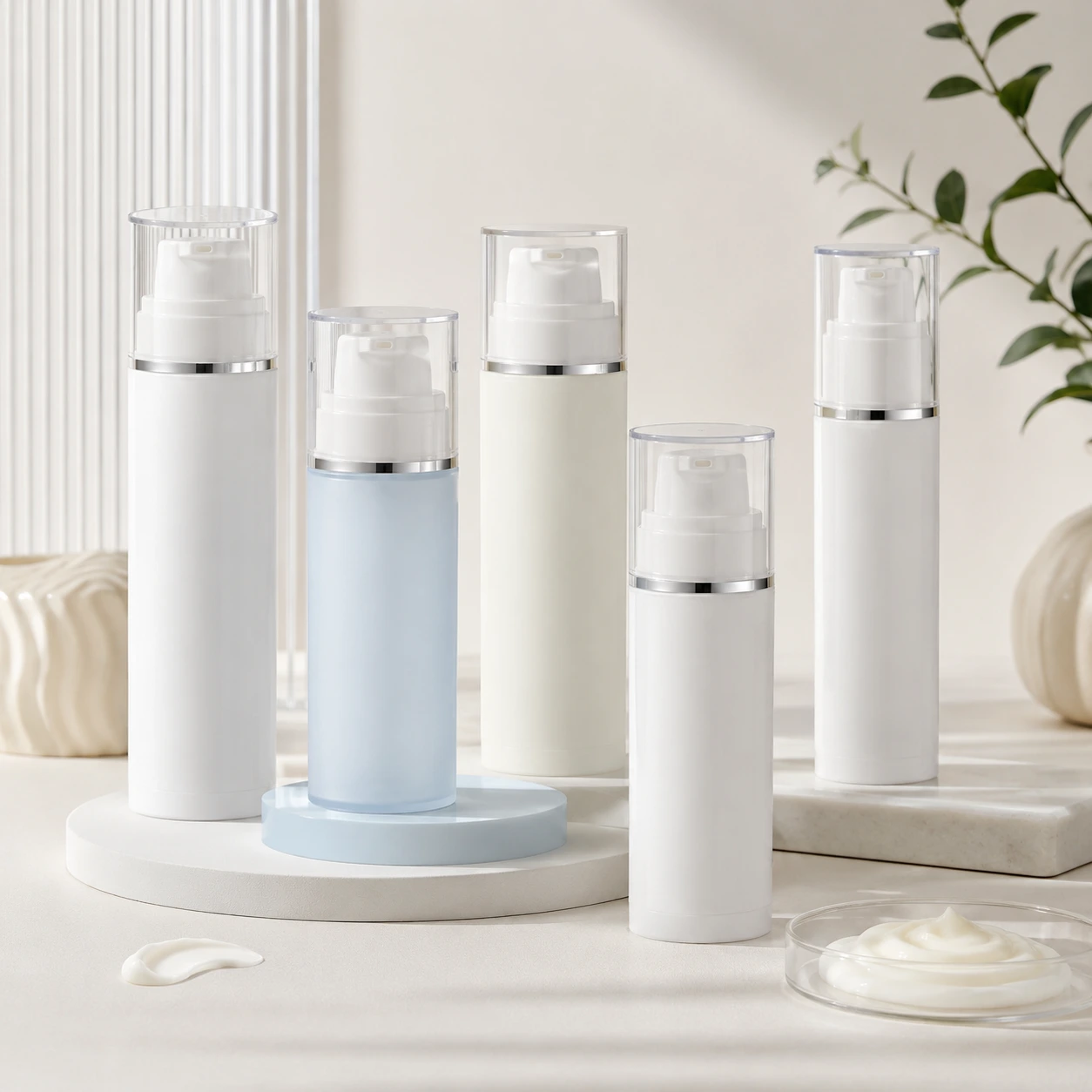
For lotions, creams and sunscreens, test dispensing across the intended storage conditions and review residual product. Formula viscosity alone does not establish pump suitability.
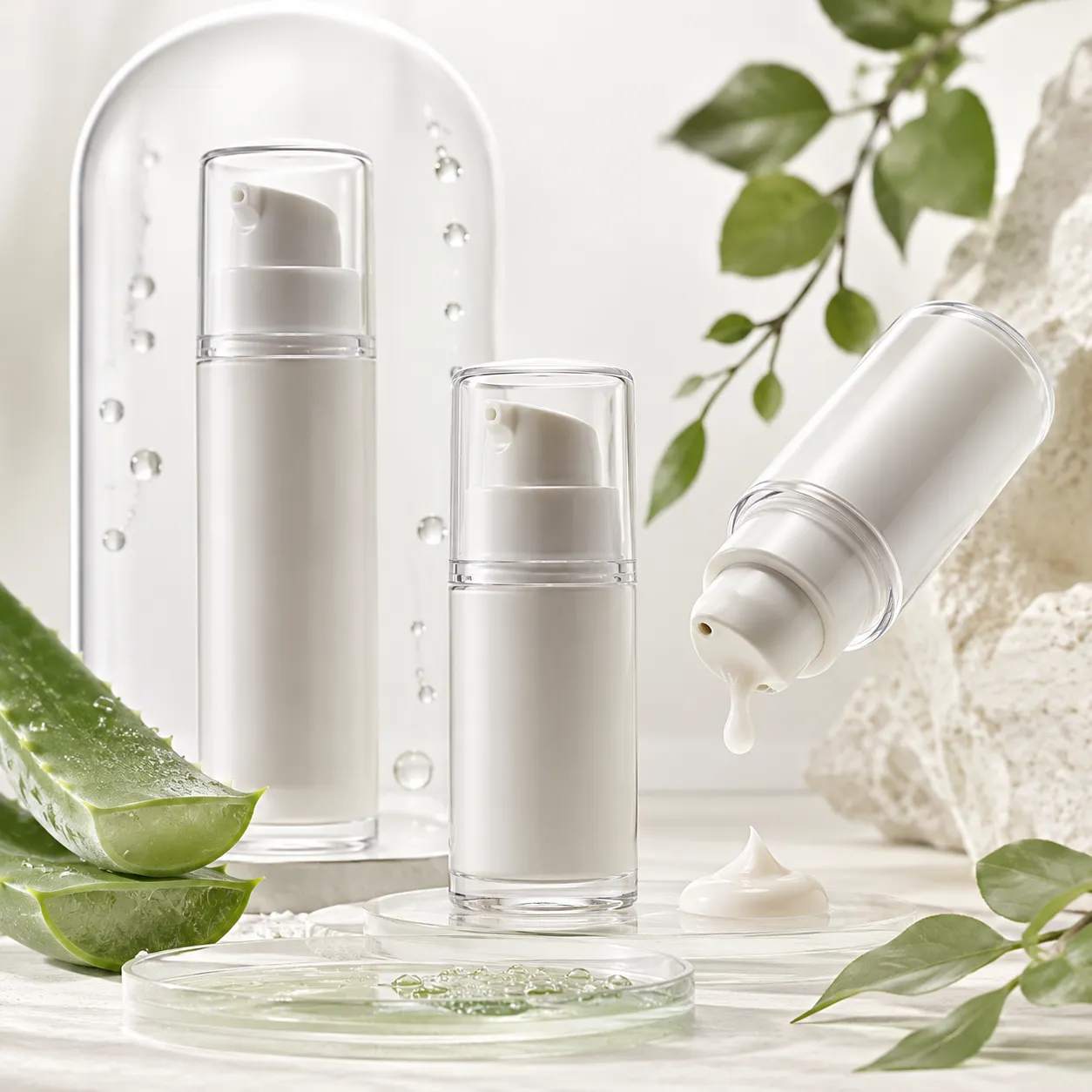
For sensitive formulations, agree compatibility and stability testing with your formulation team. Airless packaging does not replace preservative or microbiological safety assessment.
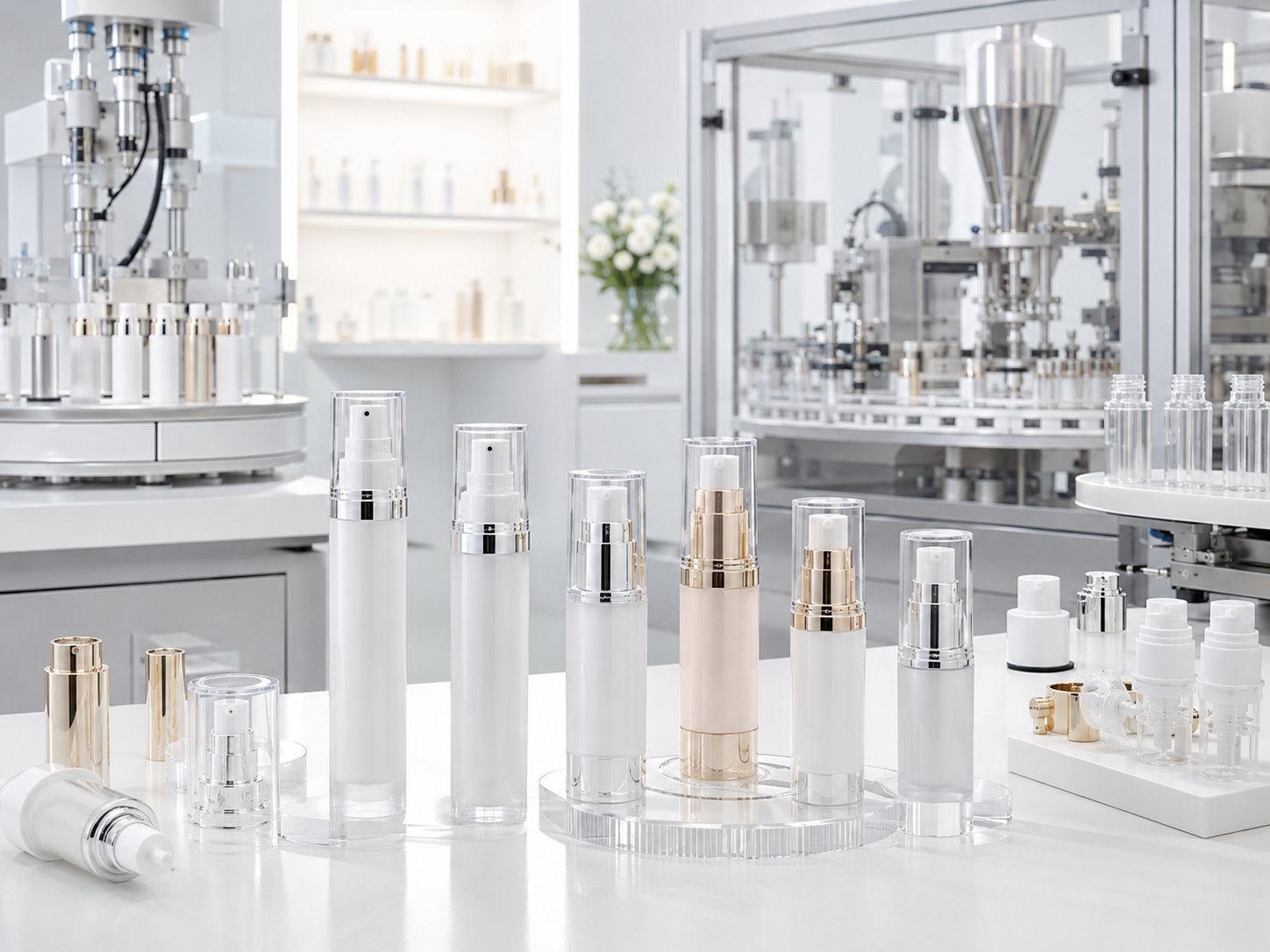
For travel sizes and premium ranges, review dimensions, locking or protective features, transport leakage and decorated appearance on the actual sample.
A custom outer shape does not guarantee that an existing pump will fit. Review the interfaces and complete assembly first. Tooling cost and delivery timing are project-specific; sample approval, production and shipping are separate stages.
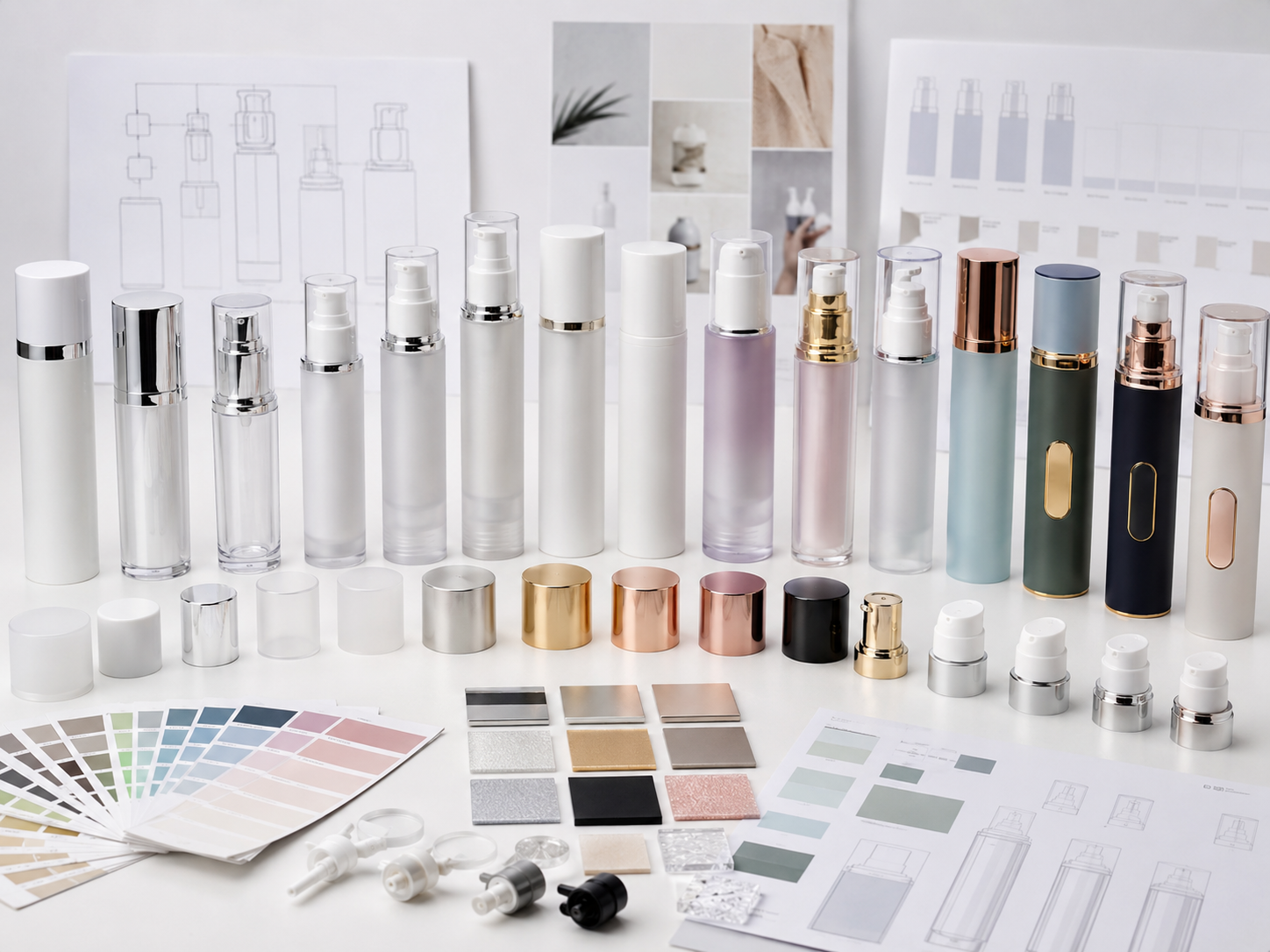
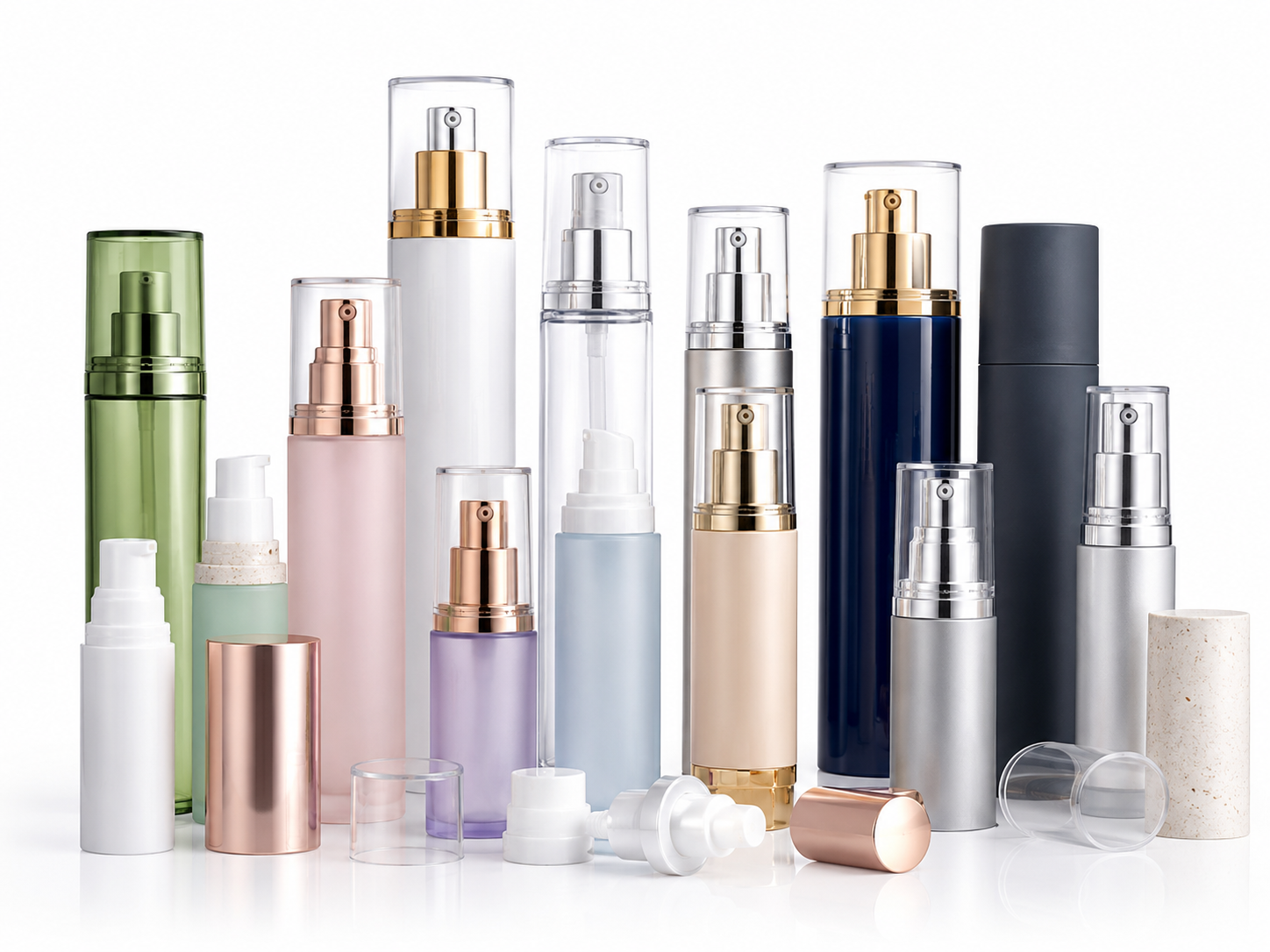
Plastic airless bottles start at 5,000 pieces for production. Confirm the model, color allocation, decoration and complete component quantities in your quotation. New molds and special components require separate feasibility and quantity review; 5,000 pieces is not a blanket promise for every custom project.
Testing samples are different from a production order. Tell us how many samples you need, what you will test and your planned first production quantity. Sample availability, cost and timing must be confirmed; a request for 10 testing pieces is not a commitment to develop a new mold for 10 pieces.
Approve the functional assembly, artwork version, color reference, decorated sample and packing specification before releasing production. Ask for a schedule that separates development, sample approval, production and shipment.
Agree a test plan with your formulation and filling teams using the intended contents and the selected packaging revision.
Record acceptance criteria and results before ordering. Packaging samples do not replace the buyer’s formula stability or product safety assessment.
For filling preparation, read how to fill an airless pump bottle; confirm the final instructions with your selected model.
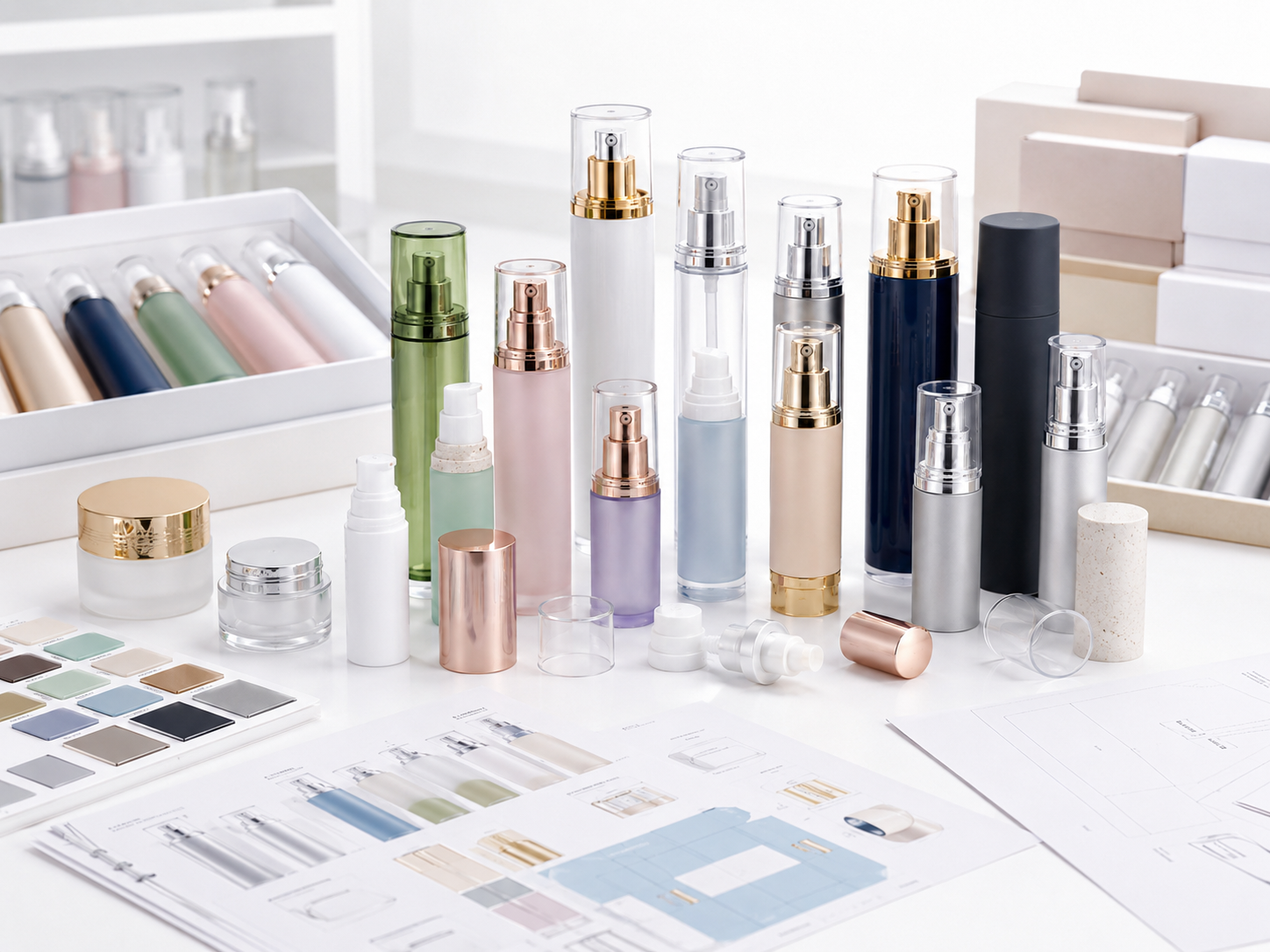
For a useful first response, include your company and project stage, intended product, fill volume, preferred model or reference image, pump requirements, color and artwork, first production quantity, target market and sample or delivery date.
Filling factories: add the filling method and line constraints. Wholesalers: add quantity by model or finish and carton requirements. Cosmetic companies: identify the design priorities and approval timeline.
Please do not send confidential formula details through a general inquiry. Describe the formula category and relevant dispensing requirements first.
Submit your airless packaging brief or email amy@ouletepackage.com to discuss model selection and samples.
An airless bottle dispenses through a selected pump and container system and can reduce repeated exposure of the bulk formula to outside air during use. Compatibility, dose, residual product and shelf-life performance require testing with the intended formula and complete assembly.
Yes. Oulete is a China-based custom airless bottle manufacturer and supplier, providing OEM and ODM packaging solutions for skincare brands, wholesalers, filling factories, and cosmetic packaging buyers worldwide.
Start with PP, acrylic, PCR and refillable families shown on this page. Ask for the current model drawing and complete component list; confirm special outer materials and structures individually rather than assuming every combination is available.
Send your intended fill volume in ml and request a current model shortlist. Confirm nominal capacity, usable fill volume, dimensions and pump specification on the selected drawing and sample. Not every material or bottle family is available in every size.
Discuss color matching, silk-screen printing, hot stamping and coating or frosted effects for the selected component. Send artwork and a color reference. Availability, usable print area and adhesion must be confirmed on the actual decorated sample.
Yes. We supply wholesale airless bottles for customers in the USA, Europe, the UK, Australia, the Middle East, and other international markets. We support export orders and provide flexible packaging solutions for different regional branding and sourcing needs.
Plastic airless bottle production starts at 5,000 pieces. Confirm model, color, decoration and component minimums in the quotation. New-tool projects require separate review. Testing sample quantities, charges and availability are not the same as the production MOQ.
Ask for a matched outer pack and replacement cartridge. Confirm which parts are retained, how the cartridge is replaced and which repeated-use checks apply. Refillability alone does not establish an environmental benefit; assess the selected system and actual use.
Yes. We support both OEM and ODM airless bottle projects, including bottle style selection, packaging design support, logo decoration, surface finishing, and bulk production for private label and wholesale customers.
Agree the approved drawing, component revision, color and decorated sample, inspection criteria and packing specification before production. Include relevant dispensing, leakage and assembly checks in the order requirements. Formula stability and filling-line validation require the buyer’s own testing.
A simplified cycle for a piston system. Pouch-based packs use a different moving reservoir; use model-specific instructions for filling and assembly.
The filler uses the specified opening, fill amount and closure sequence. Control entrapped air, headspace and component fit.
After priming, pressing the actuator delivers product through the pump and outlet. Output depends on the mechanism, stroke and actual formula.
As product leaves, the piston reduces the reservoir volume. Air can enter below the piston through the designed vent, rather than replacing each dispensed portion inside the product chamber.
The pump returns for another operation. Check priming, restart, repeated output and residual product using the intended filled assembly.
Airless does not mean the whole bottle contains no air, nor prove zero oxygen exposure, sterility, light protection or shelf life. See the bottle anatomy diagrams and filling preparation guide.
Identify the body, pump, piston, seals and cap materials separately. A PP bottle label does not establish an all-PP assembly or formula compatibility.
Identify the decorative outer shell separately from the product-contact reservoir. Confirm inner materials, assembly dimensions and weight; double-wall describes structure, not a compatibility result.
Specify the component containing recycled resin, its percentage and documentation. Approve batch appearance. Recycled content does not prove whole-pack recyclability.
Identify reusable parts, the replacement cartridge and the retained or replaced pump. Confirm the refill interface, instructions and repeated-use checks.
These descriptions can overlap: one pack can combine an outer shell, PP reservoir and specified PCR component. Confirm the complete configuration rather than treating the labels as mutually exclusive options.
Color matching, silk-screen printing, hot stamping and coating or frosted effects are customization routes to discuss for the selected component. Availability depends on model, substrate and artwork; approve a decorated sample.
Provide a physical or specified reference and quantity per color. Agree viewing conditions and an approved sample rather than relying on screen color.
Send vector artwork, colors and orientation. Confirm the usable area, registration and adhesion on the actual component.
Identify the foil reference and artwork detail. Review curvature, placement and the decorated sample before production release.
Confirm the process, affected parts and desired look or touch. Review wear and assembly fit; frosting alone is not evidence of light protection.
For metallic effects, clarify whether the proposal uses metallization, plating or a coating. These names are not interchangeable; request the actual process and sample.
Shortlist using the capacity families below, then request nominal and usable fill, body and assembled dimensions, component materials and the matched pump. Any nominal output needs its test conditions. No universal output or viscosity range applies to every family.
Build your packaging requirements checklist before requesting current drawings and samples.
Compare these Oulete catalogue families by listed capacity, then request the exact model revision, component materials, dimensions and matched pump. The family codes below are separate catalogue references and are not assigned to the photographs above.
Plastic airless bottle production starts at 5,000 pieces. Confirm the selected capacity and assembly in the quotation; family listings do not establish current stock or suitability for a particular formula.
Before ordering: request the current revision-controlled drawing and a complete sample. Catalogue dimensions are selection references; tolerances, materials, decoration area and supply scope must be confirmed in the approved specification.
Compare conventional lotion pump bottles or dropper bottles when choosing the dispensing format. See retinol packaging and formula testing for an ingredient-specific example.
Build your packaging brief before requesting model drawings and samples.