



Quick Answer
When a supplier proposes retiring an airless component, identify the affected reference and obtain written remaining-supply details. Separate any last-buy decision from approval of a replacement assembly. Reconcile current stock, customer commitments and remaining complete sets before increasing inventory or promising uninterrupted supply.
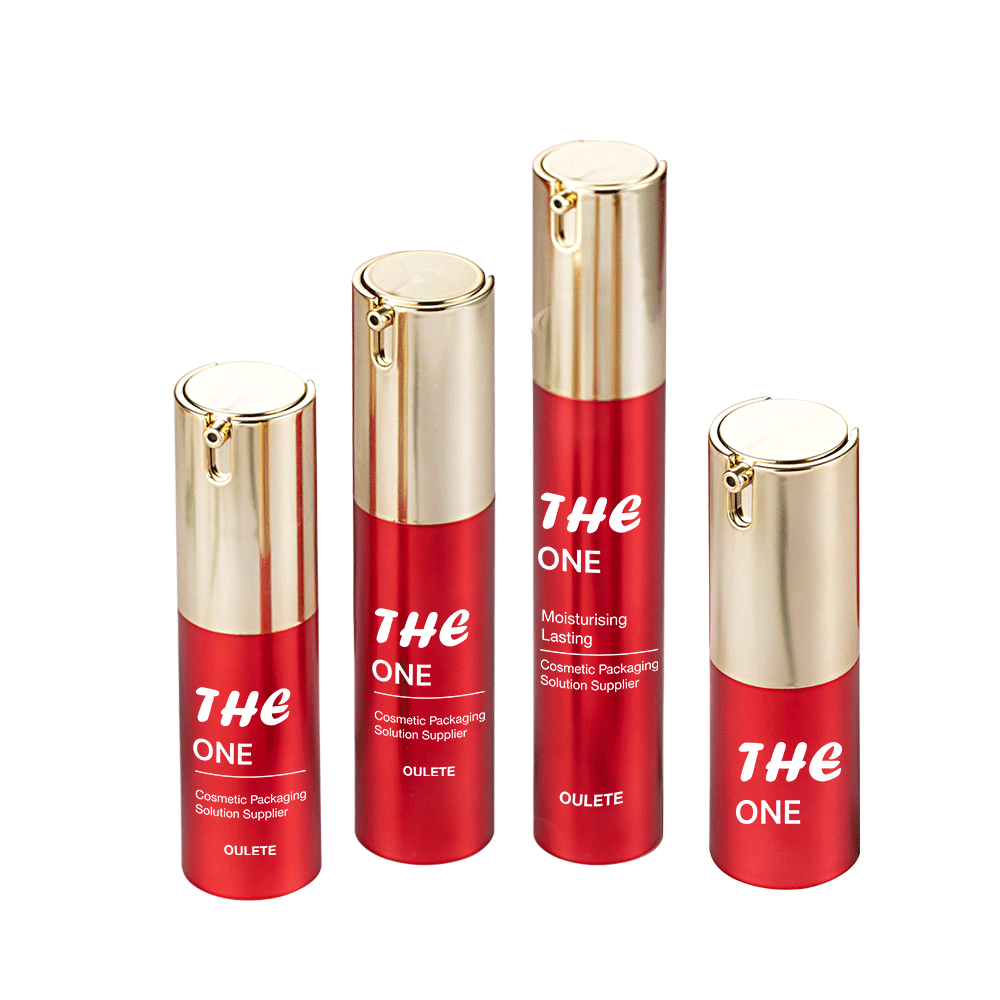
A distributor hears that a pump version may be replaced and asks whether it should buy extra stock. The brand wants the same visible pack, while the filler needs time to assess the alternative. A larger order may preserve one supply route but create surplus components that cannot form complete approved packs. A retirement plan connects those decisions without assuming a replacement is equivalent.
Confirm what is actually changing
Ask for the exact component reference, revision and affected assemblies. Distinguish a temporary supply issue, a proposed revision and a confirmed withdrawal. An informal message about a new pump should not trigger an irreversible inventory decision without clarification of the current and future scope.
Obtain the relevant dates and conditions in writing: when orders can be discussed, what quantities may be available and which delivery assumptions remain unconfirmed. This article provides no universal notice period, stock guarantee or contract interpretation. Purchasing should review the actual supplier proposal with its responsible commercial team.
Map the affected products
List every approved customer configuration using the component. Include body, capacity, actuator, overcap and formula references where relevant. A shared family name is not enough to locate all dependencies. Some packs may use the same visible style but a different internal part; others may share a component despite different decoration.
For wholesalers, keep customer commitments distinct from general forecast demand. For fillers, identify which approved line configurations rely on the part. For brands, connect the affected packaging to the actual launch or repeat-order plan rather than treating the issue as a purchasing detail only.
Count remaining complete sets
Reconcile usable stock by identified component and revision. Exclude held, reserved and trial-consumed quantities from freely available balances. The retiring part may not be the limiting component: extra pumps cannot become finished packs if the matching bodies or caps are unavailable or no longer approved.
Record expected demand as a range with its owner and assumptions. Do not turn an optimistic sales forecast into a certain last-buy quantity. Include the agreed trial, inspection and retained-sample needs separately. Any stock purchase should show its total commitment and payment basis, not just the attractive unit-price tier.
Keep replacement selection separate
Ask the supplier to identify the proposed replacement and every known difference. Matching appearance or nominal output does not establish equivalence. Review the interfaces affected by the change with the formulation, filling and dispensing teams. A new part can require a new complete-assembly proposal even when the outer body remains unchanged.
The airless bottle range offers format references, not an assurance that another model can replace the current assembly. Obtain drawings, component identities and a representative sample scope. Keep the original approval record intact while the alternative is assessed.
Build an overlap plan with decision gates
Identify when replacement samples will be available, when the relevant reviews can finish and when the first approved order could be released. Connect those milestones to the production plan. A forecasted replacement arrival is not the same as approved filling readiness.
A hypothetical brand might retain sufficient old-configuration stock for a defined period while evaluating the replacement. The plan still needs a disposition for unused old parts and a clear transition reference. Do not mix old and new components during overlap simply because both are physically present at the filler.
Control the customer transition
Decide which orders use the old configuration and which use the approved replacement. Update the sellable-unit record, drawings, artwork references and packing where affected. Communicate the actual scope to the relevant customer teams before changing supplied parts. A backend stock-code change alone does not complete that handoff.
Attach the replacement decision to the sample approval checklist, including evidence reviewed and open limits. Retain dates and quantities for the final old-configuration deliveries so a later complaint can be connected to the correct version.
Resolve the remainder
After transition, reconcile leftover parts and any outstanding commitments. Have the authorised teams decide whether stock can serve another approved use or needs a different disposition. Do not assume unmatched old components retain their original commercial value indefinitely. Preserve the reason for any reallocation and the relevant approval.
Send the affected configuration and supply questions through the packaging enquiry page. Oulete’s plastic airless and plastic lotion bottle MOQ is 5,000, while glass packaging and cosmetic tubes start at 10,000. These baselines do not promise a last-buy exception or standalone spare-part quantity.
Does a last buy approve the replacement?
No. Remaining supply and replacement qualification are separate decisions.
Can old and new parts be mixed during transition?
Only where the exact combination has the required documented review and approval; do not infer interchangeability from appearance.