



Quick Answer
Compare an airless pump and a dropper against the same intended user task. Define what the user needs to apply, then observe the steps, control and output of each identified assembly with the actual formula. One press and one drop are different actions, not interchangeable units of measurement.
A serum brand may prefer the familiar ritual of a pipette while the filler favours a pump assembly. A broad list of format advantages will not settle the decision. A small, well-defined handling comparison can reveal which questions deserve further testing without claiming that either format is universally better.
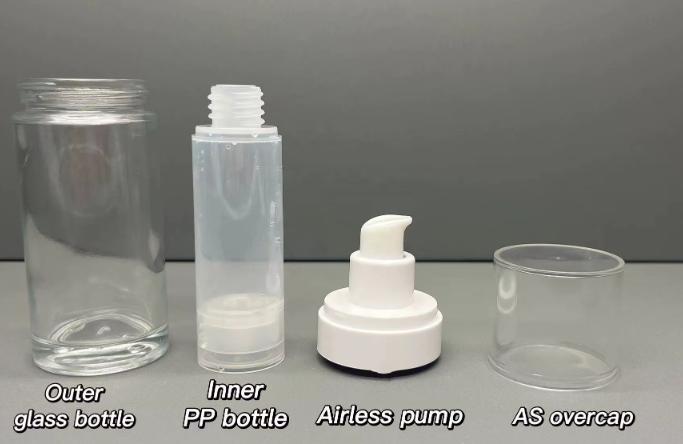
Describe the Application Before Choosing the Action
Have the brand’s responsible product team define the intended application and instructions. State whether the product is dispensed into a palm, onto an applicator or through another approved route. Do not invent a dose or skincare regimen to suit the package being considered.
Keep this task definition consistent between candidates. Asking the pump user to dispense a full press while allowing the dropper user unlimited adjustment can answer a different question from comparing both against the same intended amount. Record the instruction given to each participant.
Identify Both Complete Assemblies
Name the bottle, pump or pipette, closure and formula version. A different bulb, outlet or actuator may change handling. Avoid comparing one supplier’s selected premium sample with an unidentified stock bottle and then generalising the result to every pack in each format.
Use the actual formula where the agreed evaluation requires it. A substitute liquid can help rehearse observation and collection, but classify that work as exploratory. The comparison does not establish stability, microbial protection or shelf life; those are separate product evaluation questions.
Observe the Entire Handling Sequence
For a pump, note cap removal or unlocking, grip, actuator travel and the user’s ability to collect the output. For a dropper, note opening, withdrawal, pickup, transfer and reclosure. These are observation prompts, not instructions that every model uses the same sequence.
Record awkward transitions such as needing a second hand, finding a place for the removed component or wiping unintended residue. Keep comments tied to the observed sample. A user preference for one ritual is useful qualitative feedback, but it does not prove that the other format is technically unsuitable.
Measure Output When the Decision Depends on It
If amount matters, agree an appropriate measurement procedure with the product team. Keep individual results and repeated attempts rather than reporting only an average. Do not estimate mass from a photograph of a droplet or infer a fixed drop count from the pipette’s advertised capacity.
Separate a fully completed pump action from a partial press, and record whether the dropper was refilled between attempts. If the user changes technique to reach the target, preserve that history. Counting actions can describe effort, but it should not be presented as a measurement of product delivered.
Include the Conditions Likely to Change Handling
Agree which remaining-fill states, rest periods or other use conditions should be represented. Identify how the samples reached those states. A full, newly prepared sample may not answer the question that matters near the end of ordinary use.
Keep the sample order and participant instructions visible. Someone who practises repeatedly on the first format may approach the second differently. A formal usability study needs its own suitable design; an internal exploratory comparison should not be dressed up as statistically conclusive research.
Keep Preferences Separate from Failure Findings
Classify observations before discussing a winner. “I prefer the pipette ritual,” “the actuator was hard to reach” and “no output occurred after the recorded attempts” describe different issues. The first is preference, the second handling, and the third a functional observation requiring investigation.
Preserve affected units and seek model-specific advice rather than resetting or replacing parts before documenting the event. If a revised sample is supplied, identify it as a new candidate. Do not silently substitute an improved unit and retain the original comparison label.
Make a Conditional Format Decision
Summarise which candidate better supports the defined task and which evaluations remain open. The choice should also account for the filling process, commercial scope and product requirements, not merely the favourite demonstration. Oulete’s starting production quantities are 5,000 for plastic airless bottles and 10,000 for glass packaging; confirm the actual offer separately.
Review airless bottle candidates and dropper bottle candidates, then capture the selected assembly in the sample approval plan. Send the intended application task when requesting comparable samples rather than asking which format is always best.