


Quick Answer
Before requesting a transfer quotation, identify the complete packaging configuration and recover its current approved files. Separate drawings, artwork, material references, sample decisions and supplied-state instructions. Mark missing or provisional information and confirm which material may be shared with the new recipient. A photograph of the previous pack is not a reproducible production specification or evidence that another supplier can make an identical assembly.
A brand may approach a new supplier with an old purchase order, several images and a sample taken from remaining stock. That can start a conversation, but it leaves the new offer vulnerable to assumptions. Procurement needs a controlled transfer brief that explains what the existing configuration actually is, which decisions are supported and which must be established again.
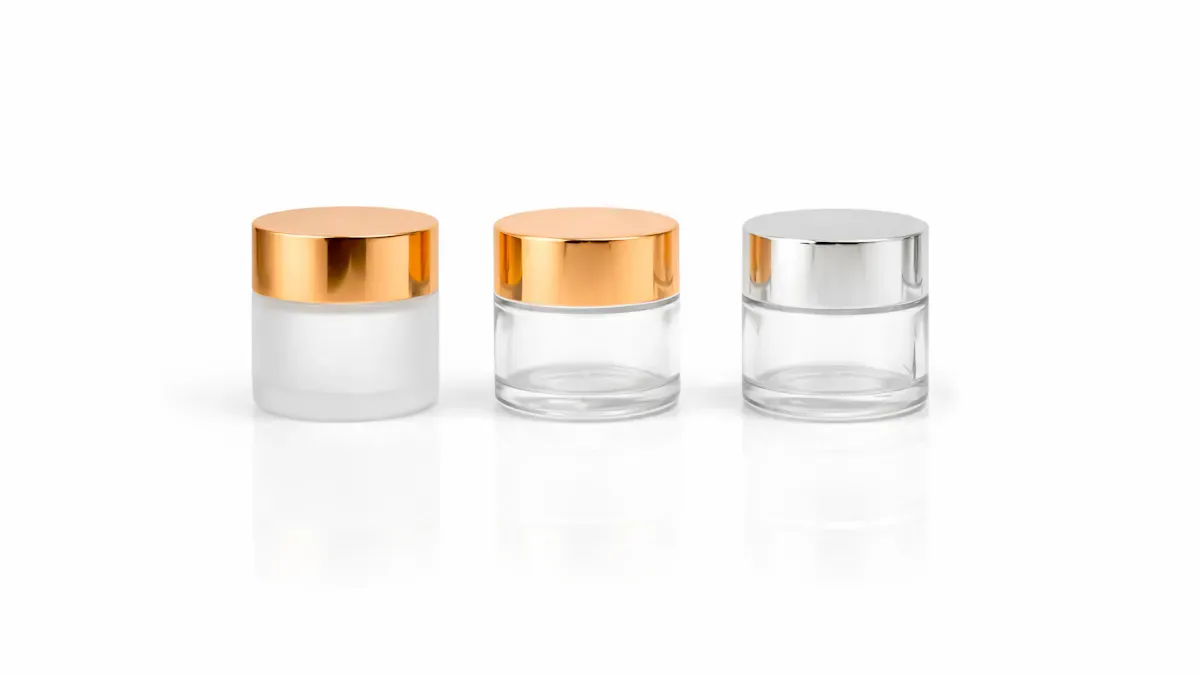
Start from the configuration, not the old product nickname
List the body, dispenser, closure and relevant accessory references in the accepted pack. Include the quoted supplied state and the parties that provided each component. A commercial name may have remained unchanged while a pump, finish or packing arrangement changed between orders. Identify which version the transfer request is intended to reproduce.
Connect the physical sample to an order or component record where possible. If its provenance is unknown, label that limitation. Do not reverse the status by calling an attractive retained piece the approved master before the responsible team has established what it represents.
Separate the file categories
Drawings, artwork and evaluation records answer different questions. A drawing can identify a controlled geometry; an artwork file identifies a version of the decorated presentation; a test record applies to its actual sample and conditions. A folder containing one of these does not replace the others.
Keep the relevant material and surface references alongside the component they describe. Request supplied-state and packing instructions where they affect the order. An assembled retail sample can conceal whether the filler originally received loose parts or a partly assembled pack, so include that delivery arrangement explicitly.
Establish the current revision
Use a file index with the issuing party, revision, approval status and applicable configuration. Where two files disagree, assign a review owner instead of choosing the one with the newest email timestamp. A recently forwarded old drawing can look newer than the accepted source file.
Keep superseded records retrievable but clearly separated from the current transfer set. Do not silently remove the history needed to interpret remaining stock. If the team cannot establish the current revision, mark the quotation input as provisional and ask what work is needed to resolve it.
Confirm the permitted sharing scope
Identify who controls each file and who can approve sending it to the proposed recipient. The fact that a document is stored in a buyer’s inbox does not establish unrestricted permission to distribute it. Use the organisation’s responsible owner and applicable agreements to resolve access questions; this article does not determine ownership or transfer rights.
Share only the information agreed for that enquiry. If a controlled summary or a limited drawing is provided instead of an original source file, state its status. The receiving supplier should know which details are requirements and which are preliminary references, without being asked to infer the missing scope.
Build the transfer register
| Record | Question to resolve |
|---|---|
| Assembly baseline | Which complete configuration is being quoted? |
| Drawing set | Which revisions control the proposed interfaces? |
| Appearance files | Which artwork and physical references are current? |
| Evidence | What sample, formula and conditions did prior decisions cover? |
| Supply instructions | What delivered and packed state is required? |
| Sharing status | Who authorised the material and recipient scope? |
| Missing inputs | Which items remain provisional and who will close them? |
A register can expose gaps without pretending to solve them. If the original contact-part identity is unavailable, a new supplier may need to make an identified proposal rather than quote an undocumented match. Keep that difference visible in the commercial comparison.
Investigate an illustrative quotation difference
Suppose the new offer names a different pump while retaining the old bottle’s marketing name. This is a hypothetical transfer issue, not evidence of wrongdoing or a defective part. Ask the supplier to show which components and assumptions its offer contains. Compare that proposal with the recovered baseline.
Any proposed replacement needs its applicable review; the old pack’s approval cannot be copied to it merely because the exterior looks similar. Record what the new supplier can identify, what remains unresolved and which representative samples the responsible teams need before the project advances.
Keep tooling and qualification questions separate
Having a file set does not establish access to existing tooling, approval to move it or suitability for another manufacturing route. Handle those questions through the responsible project owners and agreements. Do not promise that a replacement source can avoid development work just because a previous order exists.
Likewise, retained evidence remains tied to its scope. The filler should review the new proposed supply state and relevant interfaces. The contents evaluator should determine applicability of previous results. Purchasing should ask for a quotation with explicit assumptions, not force unresolved technical questions into a claim of identical supply.
FAQ
Can we obtain a reliable quote from a photograph alone?
A photograph can begin a discussion, but missing configuration and specification details should remain visible as quotation assumptions.
Does recovering files approve a supplier transfer?
No. It establishes inputs for review, not automatic technical or commercial acceptance of another source.
What should a new quotation identify?
The proposed components, applicable revisions, supplied scope and unresolved assumptions against the controlled enquiry set.
Use customization services to describe the proposed scope, retain decisions with the sample approval record, and send the authorised file index and open questions for a project discussion.