



Quick Answer
“Glass,” “pump” and “airless” describe different aspects of a package and should not be treated as three mutually exclusive materials. Identify the container construction and dispensing arrangement separately, then compare complete, available configurations. The shortlist should describe real candidates, not theoretical combinations inferred from catalogue headings.
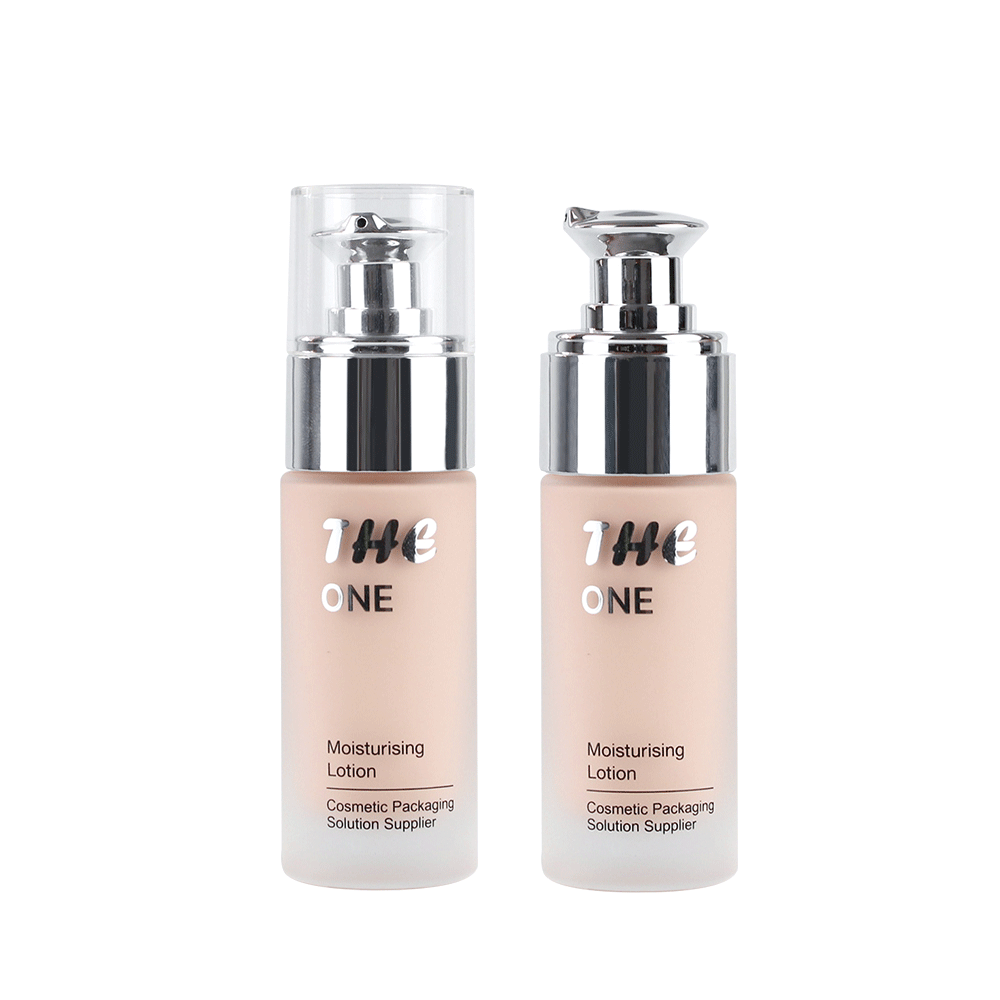
A foundation brand may ask whether it should choose a glass bottle, a pump bottle or an airless bottle. The question mixes a material description with dispensing descriptions. Clarifying those axes helps the supplier provide a useful offer and helps the filler understand the assembly under review.
Start with the Formula and Use Brief
Have the responsible product team state the formula version, intended application and relevant packaging questions. Include the desired capacity and filling partner where known. A shortlist is a way to organise candidate assemblies, not a substitute for formula-specific evaluation.
Keep essential requirements separate from visual preferences. A brand may want a certain hand feel or silhouette, while the filler needs a suitable supplied state and closing arrangement. Recording both prevents a visually attractive candidate from being treated as approved before the operational questions are addressed.
Use Separate Fields for the Construction
Ask which component contains the formula and what material is proposed for it. Identify any outer shell, insert or decorative sleeve separately. Do not let a “glass” headline conceal plastic or other components in the complete assembly.
Record the actual supplier model and revision. If a material option is only a development enquiry, label it as such. A matrix cell should not imply that every body shape is available in every material merely because the design team can render it.
Describe the Dispensing Arrangement Independently
Identify the proposed pump, pipette or other dispenser and ask for the model-specific arrangement. If a candidate is described as airless, request enough configuration information to understand the supplied system. Do not infer its construction from the outer actuator alone.
Keep the closure and protective components with the candidate. A pump without its transport protection is not the same purchasing scope as a complete retail assembly. Ask whether caps, collars and other pictured parts are included in the quotation.
Compare Complete Candidate Rows
Give each candidate one row containing its model, construction, dispenser, closure, supplied state, decoration and quotation scope. Do not make a comparison table where one row is a material family and another is a specific finished package. That structure makes apparently clear rankings misleading.
If a detail is unresolved, leave it marked for confirmation. A missing drawing or unconfirmed pump version is useful information for the next supplier question. Filling the blank with a common assumption creates a false sense that the candidates are already comparable.
Keep Benefits as Questions Until Supported
Instead of assigning automatic scores for protection, hygiene or output accuracy, list the evidence needed for the selected formula and assembly. A material or dispensing label alone does not establish those outcomes. Have the responsible team decide which evaluations will support the buying decision.
Use the same discipline for environmental statements. Do not rank one candidate sustainable solely because its body is glass, or another solely because it is described as airless. Define the attribute being considered and the appropriate evidence boundary rather than using a universal green score.
Add Commercial Conditions at the Same Scope
State the quantity, finish, included components and delivery basis beside each offer. Oulete’s starting quantity is 10,000 for glass packaging and 5,000 for plastic airless or lotion bottles. Confirm the selected model’s actual conditions rather than applying one number to every row.
Keep tooling, decoration setup and sample work separate from recurring unit prices where relevant. A body-only quote may appear cheaper than a complete assembly because its scope is narrower. Resolve that difference before using price as the deciding factor.
Make the Shortlist Useful to the Filler
Share the candidate identity, supplied assembly state and available drawings with the filling partner. Ask which operational questions need to be resolved before a line trial. Do not have the supplier and filler review different versions under the same informal name.
When a candidate changes, update its row rather than carrying old results across automatically. Keep the decision history so the team can see why an option was retained, rejected or held for more evidence. A clear shortlist reduces confusion without pretending the final approval is already complete.
Move from Categories to a Real Enquiry
Use the foundation bottle range and airless options to identify actual models. Capture outstanding decisions in the sample approval checklist, then request comparable complete-assembly offers. Ask which configuration fits the brief, not which broad category always wins.