



Quick Answer
A dispensing trial should record the release as well as the press. Identify whether the actuator returns as intended before the next action, whether the operator assists it and what interval is used. Repeated presses at different rhythms are not automatically comparable evidence of pump output or user effort.
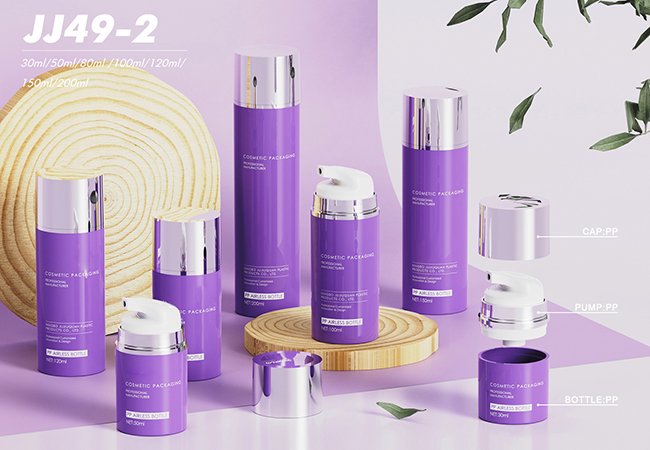
A buyer watches one operator press a sample quickly and another pause between actions. One sample appears inconsistent, but the record contains only the final collected amount. Without the release and recovery history, reviewers cannot tell whether the comparison represents the same intended operating cycle. Documenting the full action makes the next technical discussion more useful.
Define the model-specific cycle
Ask the supplier to explain the intended actuation and release for the actual dispenser. Identify the body, pump and actuator references, along with any applicable locking or transport state. Do not use a generic airless description as an operating instruction for every mechanism.
The airless bottle range provides candidate formats, not a universal return-time specification. The responsible parties should agree the relevant method and acceptance criteria for the project. This article supplies no fixed recovery time, stroke force or cycle count.
Keep the formula and sample state visible
Record the actual formula code, batch, fill and preparation. State whether the sample is newly prepared, already primed or returning after an agreed pause. These are different histories. A display sample with a substitute material can support only the development question for which it was selected.
Retain prior use and interventions. If someone has pulled the actuator upward, exchanged components or otherwise altered the specimen, record that before the next trial. A successful action after assistance should not be reported as an unassisted cycle of the original sample.
Observe press and release separately
Record whether the operator completes the intended press, releases contact and waits according to the agreed sequence. Describe visible movement rather than assigning a cause. An actuator returning differently from the reference is an observation for review; it does not by itself identify a spring, formula or assembly fault.
If a recording is used, show enough of the pack and hand action to follow both directions of movement. Keep the outlet and sample identity visible where practical. A close-up of delivered cream without the action history may be useful for appearance but insufficient for interpreting the operating cycle.
State the interval between actions
The assessor should define how timing is recorded and which comparison it supports. A controlled laboratory sequence and an exploratory user session can both be useful, but they answer different questions. Do not merge their results without explaining the method difference.
Keep unplanned pauses and interruptions in the record. If an operator stops to clean an external receiving surface or ask a question, identify that interval rather than presenting the next press as part of a continuous sequence. The record should describe what happened, not an idealised rhythm reconstructed later.
Do not repair the observation silently
If the actuator does not return as expected, preserve the condition and ask for the appropriate model-specific next step. Do not repeatedly pull, twist or force it to complete the planned count. Any authorised intervention should have an identified before-and-after record.
A hypothetical comparison may show stable output during the agreed sequence but a difference when users rapidly repeat the action. That finding can inform the next review without proving a cause or universal failure. The brand and supplier should decide whether the exploratory action belongs to the intended-use assessment.
Keep output calculations connected to the cycle
If output is measured, retain the number and status of the actions included. A collected total divided by all attempted presses may answer a different question from a total divided only by successful full cycles. The responsible assessor should choose and state the calculation basis before reporting a result.
Do not exclude unsuccessful actions just to improve consistency. Keep their observations and the reason for any exclusion. An average alone can hide a stalled or assisted cycle that matters to the intended user experience. The technical review needs both the summary and the underlying sequence.
Separate operating evidence from other approvals
An acceptable return sequence does not establish compatibility, sealing, preservation or distribution performance. Keep those decisions connected through the same component and formula identities but recorded separately. A pump that moves smoothly is not automatically qualified for every product in a range.
Attach the accepted method and observations to the sample approval file. If a component or formula changes, review the affected evidence and track any additional work in the milestone plan.
Send a reviewable enquiry
Use the packaging enquiry page to provide the model, formula category and recorded operating question. Arrange an appropriate technical exchange for confidential details. Oulete’s plastic airless and plastic lotion bottle MOQ is 5,000 pieces; glass packaging and cosmetic tubes start at 10,000. Trial scope and sample quantities need separate confirmation.
Should a return stroke be assisted during a comparison?
Only if the agreed investigation explicitly calls for it, with that intervention recorded separately.
Does faster repeated pressing prove better performance?
No. Define the intended operating sequence and compare results within its documented scope.