


Quick Answer
Assign each cosmetic packaging trial sample an identity before filling, connect it to formula and component revisions, and record every exposure, withdrawal and inspection. Separate untouched retained units from repeatedly opened or destructively tested units. A result at a later timepoint is interpretable only when the reader can identify which physical sample produced it and what happened to that sample.
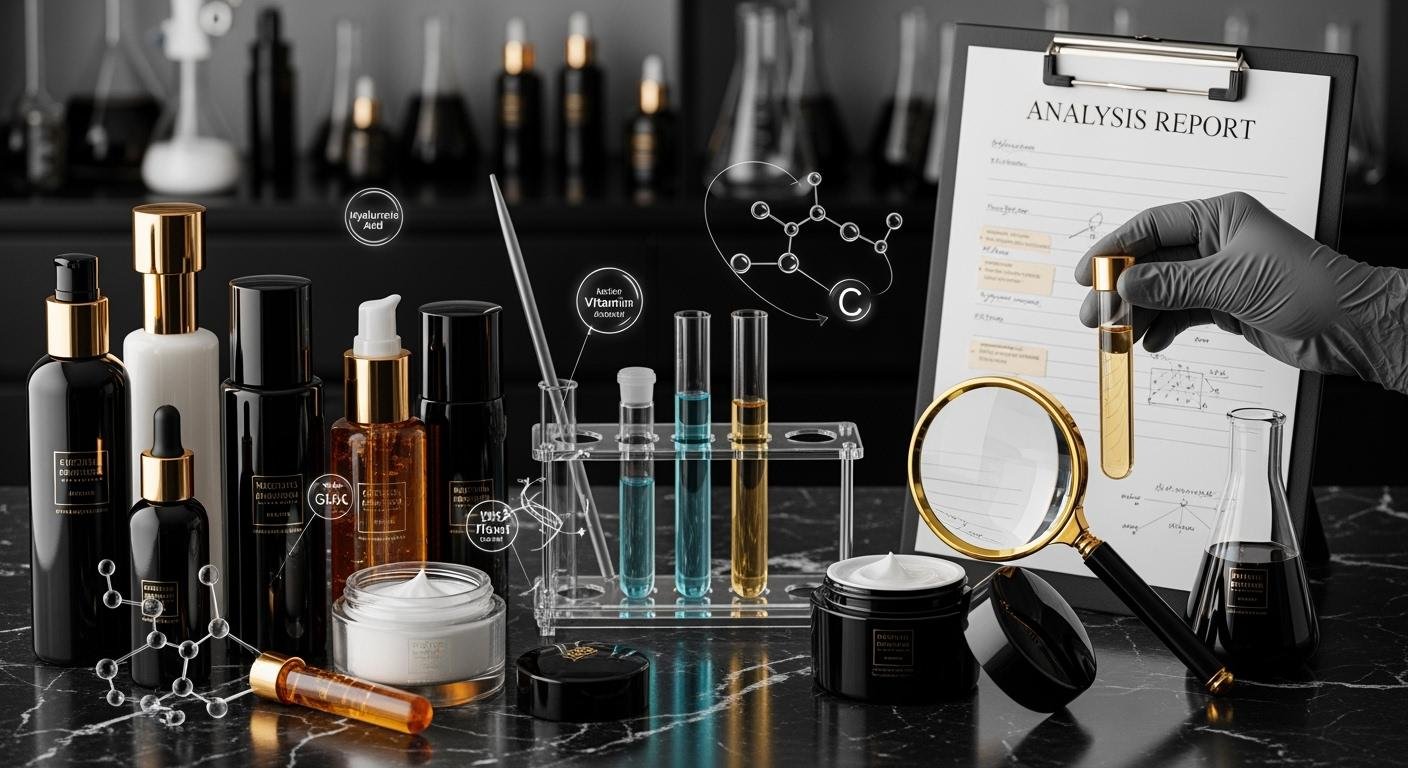
A test plan can list the right packaging and formula yet lose its usefulness when sample labels are unclear. A bottle opened for dispensing may be returned among unopened units; a photograph may carry a project name but no unit reference. This article focuses on those handling records rather than prescribing universal storage conditions or claiming that one test establishes product safety.
Give the unit a stable identity
Create a sample reference that remains unique within the project. Link it to the body, dispenser, cap, seals and relevant decoration revisions, plus the formula code and batch held by the responsible owner. The reference should survive the actual exposure without covering the feature being assessed or changing how the assembly performs.
Agree where the identification is placed and how it is backed up in the worksheet. If the label detaches or becomes unreadable, preserve the uncertainty and investigate the mapping before treating the observation as confirmed. Do not guess a sample’s identity from its position on a bench after the arrangement has changed.
Record preparation separately from exposure
Identify the date, filler, actual contents, fill basis and assembly process for the prepared samples. State which packaging lots were used and whether all parts represent the proposed order. An undecorated or substitute-component sample can answer a limited question, provided that its deviation remains visible.
The airless filling discussion supports communicating the selected filling route. The trial owner and filler should record the procedure actually used rather than assuming a catalog sample was prepared like production. Do not infer formula compatibility from the empty package’s material name.
Allocate units before starting the trial
Agree which units remain unopened, which undergo repeated-use observations and which will be withdrawn for destructive checks. Link the allocation to the protocol’s questions and the laboratory’s sample requirements. Do not invent one fixed sample count for every formula, pack or review.
A planned timepoint can involve different units depending on the method. The record should distinguish repeated observations on one bottle from a new bottle withdrawn from storage. Those are not interchangeable histories even if both results appear under the same date heading. The responsible technical team must decide which design answers its question.
| Record group | Information to preserve | Ambiguity avoided |
|---|---|---|
| Identity | Unit code, assembly revision and formula batch | Results attributed to the wrong proposal |
| Preparation | Actual fill and assembly history | Unknown starting condition |
| Allocation | Unopened, repeated-use or destructive purpose | Different sample histories merged |
| Exposure | Actual location, orientation and interruptions | Planned conditions mistaken for actual conditions |
| Withdrawal | Unit, date, work and disposition | Consumed units treated as retained stock |
Keep the actual exposure history
The protocol identifies intended conditions; the record should preserve what actually occurred. Note moves between locations, orientation changes, interruptions or unplanned handling that matter to the selected review. The testing organisation should assess their significance rather than silently replacing them with the planned chamber description.
If a unit is removed for observation and returned, record the removal and any action performed. Opening, actuating or cleaning the assembly changes its history. A photograph taken after handling should not be represented as an untouched stored condition. This discipline preserves evidence without suggesting that every handling event automatically invalidates the study.
Document withdrawals and destructive work
When a sample is opened, emptied, dismantled or used for a destructive assessment, identify its disposition. Retain the relevant components where the responsible team requires them, but do not count the unit as an intact retained filled pack afterward. Record whether subsequent observations concern the same parts or another unit.
Have the test organisation specify the appropriate sampling and handling method for analytical work. This article does not provide a laboratory procedure, sterile-handling recipe or fixed shelf-life calculation. The traceability record supports interpretation; it cannot substitute for the qualified work needed for the actual formula and intended market.
Connect photographs and measurements
Use the unit reference on photographs and measurement records. Show enough context to locate a crack, residue, changed surface or suspected leak. Record the measurement method and units with the result, keeping raw observations separate from the interpretation of cause. A note saying failed pump leaves too much unexplained.
For an illustrative example, two samples from the same packaging lot might show different observations because one was repeatedly actuated and the other remained unopened. Preserve their histories before interpreting the difference. This is a hypothetical recordkeeping scenario, not a completed Oulete test or a claim about a particular material.
Handle corrections without rewriting history
If a sample code or worksheet entry is corrected, retain what was changed, who corrected it and the evidence supporting the correction. A corrected identity should not erase the fact that the original mapping was uncertain. The report should identify any limitation that affects the conclusion.
Keep revised formula or component trials separate from the earlier configuration. Link them through the project record, but do not merge their results into one apparent approval. The sample approval guide explains why the accepted configuration and decision scope need their own identity.
Make the handoff usable to purchasing
Summarise the tested assembly, formula reference, exposure history, findings and unresolved items for the authorised recipients. The brand’s responsible team interprets formula implications, the component supplier reviews packaging findings and the filler reviews process evidence. Purchasing should receive the accepted configuration and limits without assuming that an appearance observation approves every aspect of the finished cosmetic.
Use the document scope guide when matching supporting reports to the proposal. Send sample requirements and component references through the packaging enquiry page. Confirm sample availability and charges separately from production MOQ; neither a sample request nor a report title guarantees a production release.
Frequently Asked Questions
Can we identify samples only by shelf position?
Use stable unit references and a recorded location map. Position alone becomes unreliable when units move.
Can an opened sample represent unopened storage?
Keep its actual history visible. The technical team decides which observations remain applicable to the intended question.
Does a complete sample log prove compatibility?
No. It supports the evidence trail. The protocol, actual findings and responsible interpretation still determine the conclusion.