



Quick Answer
Keep the measured result in its original unit. A foundation output measured in grams is not automatically the same number in millilitres. If a conversion is needed, have the responsible technical team supply the appropriate density basis and conditions, and retain both the original measurement and the calculation.
A buyer may compare a catalogue pump described by nominal volume with a trial spreadsheet recording collected mass. The numbers can look close enough to combine, but an unexplained unit change makes the comparison unreliable. Start by clarifying what each figure actually represents.
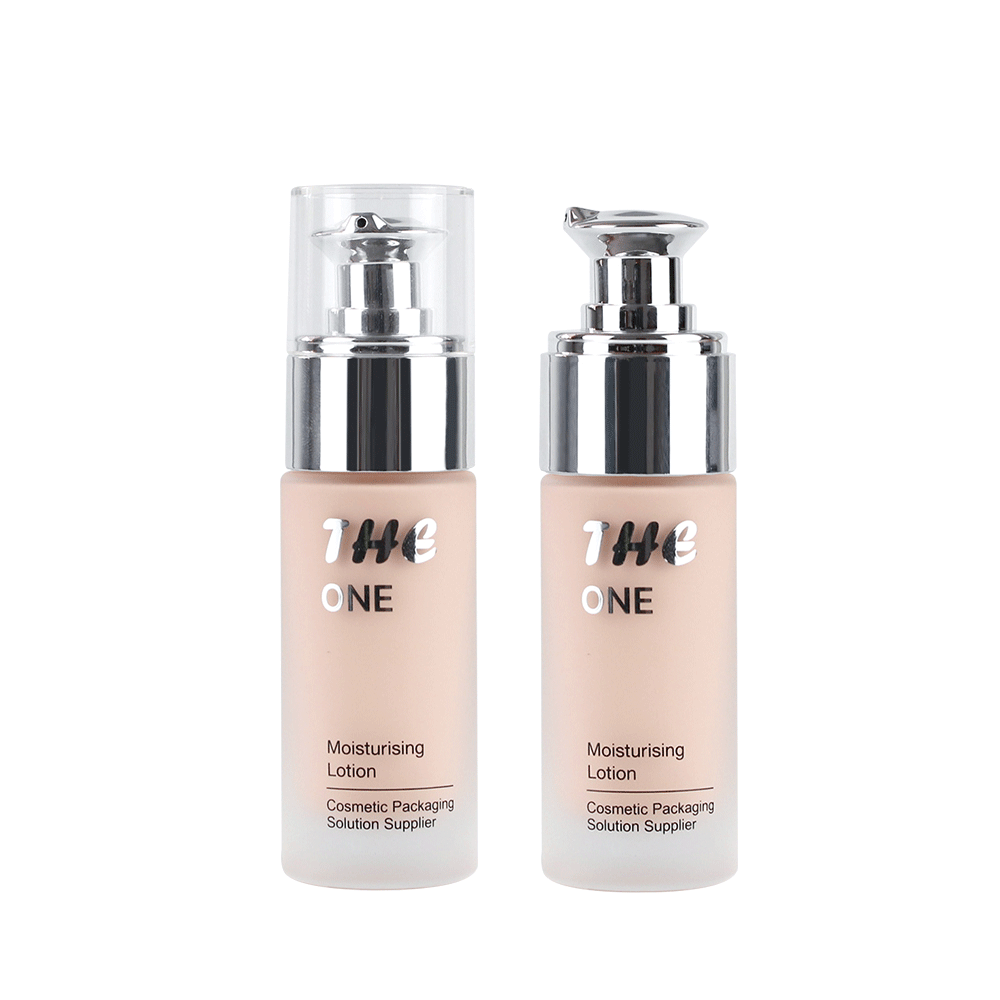
Identify the Catalogue Figure
Ask what the nominal output description refers to and how it was established. Record the pump version, stated unit and relevant conditions supplied by the manufacturer. Do not treat a generic catalogue entry as a measured result for your foundation formula.
If the quoted output is a range or an approximate designation, preserve that meaning. A buyer should not turn a model description into an acceptance tolerance without agreement. The technical and quality teams need to define the evaluation basis for the actual project.
Keep the Raw Measurement Intact
Retain the individual collection results, sample references and measurement unit. State whether a result represents one action, a group of actions or another collection interval. A total divided by the number of attempts can be useful, but it should not replace the underlying record.
Record how initial no-output attempts, partial actions or interrupted delivery were treated. If they were excluded for a defined reason, show that reason. Otherwise an average can hide a handling or startup issue that matters to the intended user experience.
Resolve the Conversion Basis
For a mass-to-volume conversion, ask the formulator or competent laboratory for the appropriate density information and its conditions. The relationship is volume equals mass divided by density when the units are consistent. Do not assume a cosmetic formula has the same density as water.
Keep the source and version of the density value with the calculation. If it is an estimate, label the converted output as an estimate. A formula revision or changed measurement condition may require the responsible team to revisit whether the earlier value remains appropriate.
Use a Clearly Hypothetical Calculation
Suppose a teaching example records 0.30 g per action and uses an agreed density of 1.20 g/ml. Dividing 0.30 g by 1.20 g/ml gives 0.25 ml. The measured mass remains 0.30 g; the calculated volume is 0.25 ml on that assumed basis.
These figures are not an Oulete pump specification, a target application amount or a guarantee. They simply demonstrate why copying the gram value into a millilitre column changes the meaning. Use project-specific information for an actual evaluation.
Keep Collection Conditions Comparable
Agree the preparation, actuation sequence, collection method and relevant conditions with the team conducting the trial. Identify the formula and assembly used for each sample. Do not combine results from different pump versions because the outside actuator looks identical.
Where output remains on the nozzle or collection tool, record how the method handles it. The quantity collected and the quantity the user receives may not be identical under every procedure. Define the question being measured before interpreting differences.
Do Not Hide Variation Behind One Rounded Number
Keep individual results or an appropriate distribution summary alongside any average. State the rounding used and avoid reporting precision beyond what the method supports. The quality team should decide how variation will be assessed against agreed criteria.
If a report says “accurate within a percentage,” ask what reference value, dataset and calculation support that statement. Do not import a generic accuracy claim from a previous catalogue into a new project. A convenient percentage is not evidence unless its basis is clear.
Agree the Buying Decision in the Same Units
The approved specification and trial conclusion should use a consistent unit basis, with any conversion assumptions visible. Keep dispensing approval separate from formula stability, compatibility and filling-line approval. A satisfactory output result answers one part of the packaging question.
Review the foundation bottle range and airless options, then include the method and units in the sample approval plan. Request a model-specific discussion with the output question clearly stated rather than asking for an unsupported universal dosing guarantee.