


Quick Answer
Keep glass pipettes identified and protected from receipt through assembly. Define the unpacking handoff, record observed damage and use the facility’s approved hold process when a breakage concern arises. A visually intact sample does not release an unidentified or affected component lot.
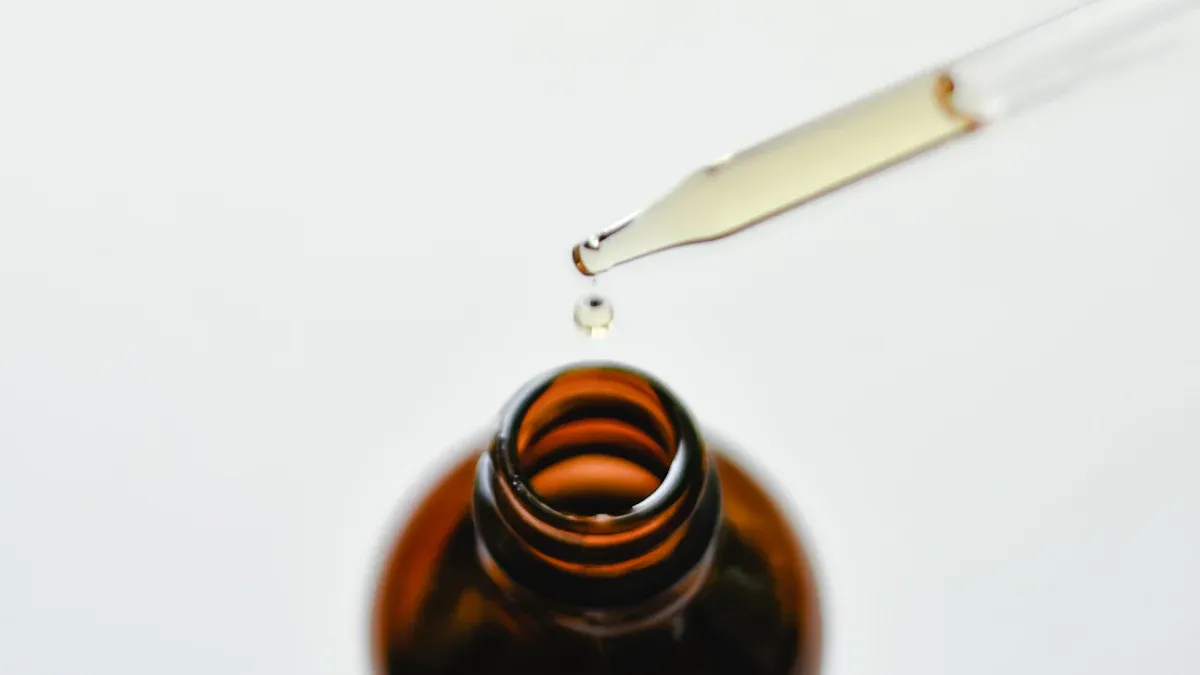
A glass pipette may arrive loose in protective packaging or already fitted into a dropper closure. Those delivery states create different handoffs for a filler or assembly team. This guide focuses on component identity, protection and the record of damage concerns, rather than comparing cosmetic droppers with laboratory instruments.
Specify the delivered configuration
Record the component reference, approved geometry, supplier lot and packaging method. Identify whether the order includes separate pipettes, partially assembled closures or complete droppers. A catalogue image of a finished assembly does not establish the state of the incoming shipment.
Ask which operations the receiving business is expected to perform. Include any protective sleeves, trays or separators and identify their purpose. Do not remove a part or change a packing arrangement simply because it is absent from the final retail photograph.
Keep the component identity through unpacking
Assign the unpacked pieces to an identifiable tray or container that retains the relevant lot reference. Record when cartons are opened and which work area receives them. Avoid combining remnants from several lots into an unlabelled bin, even if their visible lengths appear identical.
Where several pipette versions serve similar bottles, keep the approved references distinct. Length, tip geometry or markings may differ in ways that are not obvious during fast handling. Warehouse and line documents should identify the same component used in the approved assembly.
Review the protective handoff, not just the original carton
Inspect how the parts are supported after removal from their shipping packaging. The protection used in transit may not be present in the line-side tray. Ask the assembly team to review the actual transfer arrangement and identify contact points or handling that could damage the component.
Do not claim that a particular tray or sleeve prevents every breakage. Keep its construction identified and record the observations from the relevant trial. If the transfer method changes, review the new arrangement instead of relying on the earlier carton approval.
| Stage | Identity to retain | Observation to record |
|---|---|---|
| Receipt | Supplier lot and component reference | Carton and protection condition |
| Unpacking | Opened carton and destination tray | Damage seen during removal |
| Assembly | Lot issued to the operation | Rejected parts and incident location |
| Return to storage | Remaining quantity and lot | Protection and release state |
Describe damage precisely without guessing its cause
Record what was observed, when and where: a damaged tip, a broken component, an unexplained loose fragment or another concern. Use identified photographs or retained samples where the facility’s procedure permits. Distinguish the observation from a proposed explanation.
A component found damaged after assembly does not by itself show whether the issue began in manufacture, transport or handling. Keep the packing, lot and operation records so the responsible quality team can investigate. Avoid assigning blame before the relevant evidence is reviewed.
Use the approved incident and hold process
When breakage is suspected, follow the facility’s documented glass-damage and product-control procedure. The responsible quality and safety teams should determine the affected area, components and product, the necessary precautions and the release decision. This article does not prescribe a universal cleanup or contamination-control method.
Do not resume simply because a visible fragment has been removed, or assume that nearby intact pieces are automatically acceptable. Keep the hold boundary and responsible decision-maker recorded. Staff should not improvise a release rule under production pressure.
Separate replacement supply from the release decision
Receiving replacement pipettes can address a quantity shortage, but it does not close the investigation of the affected material. Identify the replacement lot and confirm that its specification matches the approved assembly. Do not relabel it as the original lot for convenience.
If the supplier proposes an alternative geometry or material, treat it as a component change. The dropper interface guide explains the separate fit and filled-assembly review. A replacement part that arrives quickly still needs the applicable approval.
Reconcile issued, rejected and returned quantities
At the end of the run, record the number issued, assembled, rejected, held and returned to protected storage. Investigate unexplained differences rather than absorbing them into a generic loss percentage. Keep counts tied to lots and work areas where needed for the facility’s traceability.
Preserve the status of returned remnants. A partial tray should not become approved stock merely because it has a new quantity label. Record any inspection decision and the protective arrangement before the components are allocated to another job.
Include the receiving requirements in the enquiry
Send the selected bottle and dropper references, required delivery state, intended assembly location and component quantities. Oulete’s glass packaging starts at 10,000 pieces. Standalone pipette supply, sample quantities and component-only minima require separate confirmation; do not assume the complete glass-pack minimum applies unchanged.
Review dropper bottle formats, retain the handoff beside the sample approval record, and share the proposed receiving arrangement through the enquiry page.
Frequently Asked Questions
Can opened pipette lots be combined into one tray?
Only under the applicable documented identity and control arrangement. Do not lose the lot distinction in an unlabelled mixture.
Does replacing damaged parts automatically release the held shipment?
No. Replacement supply and the quality release decision are separate.